An independent information project
About American Heavy Lift Helicopters
American Heavy Lift Helicopters is an independent information site built by a group of rotor wing enthusiasts who want more people to understand what helicopters can do for industrial and commercial projects. The site does not sell lift services. It publishes plain-language analysis of external load operations under 14 CFR Part 133: how operators plan lifts, how contractors budget them, and when a ground crane is the better answer.
The people
Who Is Behind American Heavy Lift Helicopters
American Heavy Lift Helicopters did not start as a business plan. It started with a family standard.
The people behind this site grew up around United States Air Force aviation. One of the founding contributors is the son of a Vietnam War combat veteran of Air Force aviation, and that heritage shapes how every page here is written. Military aviation culture treats preflight discipline as absolute, defines every parameter in the mission brief before the aircraft turns a blade, and reviews every operation in a structured debrief. That is the standard this site holds its own research and writing to: verify the number, cite the regulation, and never publish "close enough."
To be clear about what that heritage is and is not: it is the background of the enthusiasts who edit this site. It is not an operator credential. Nobody here flies your lift. The people who do fly them, certificated Part 133 operators across the United States, are the subject of everything published here.
That Vietnam-era service included Fulton Skyhook recovery missions, the surface-to-air system that lifted a person or a payload off the ground and into a flying aircraft that never landed. Skyhook was fixed-wing work and a different discipline from rotorcraft external load operations, but it is where the interest in moving difficult things by air began here.
The mission
Why This Site Exists: Spreading the Word on Heavy Lift Helicopters
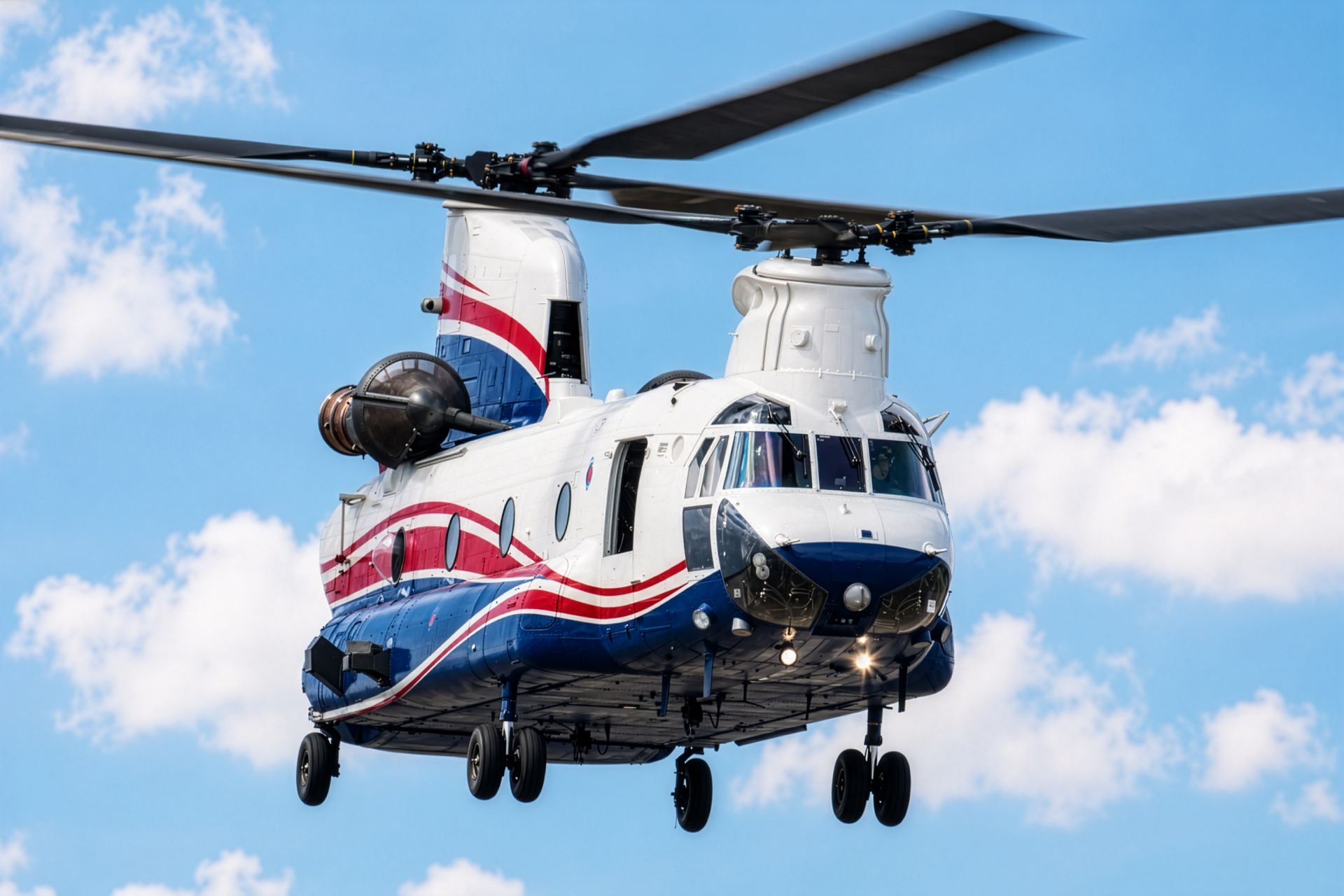
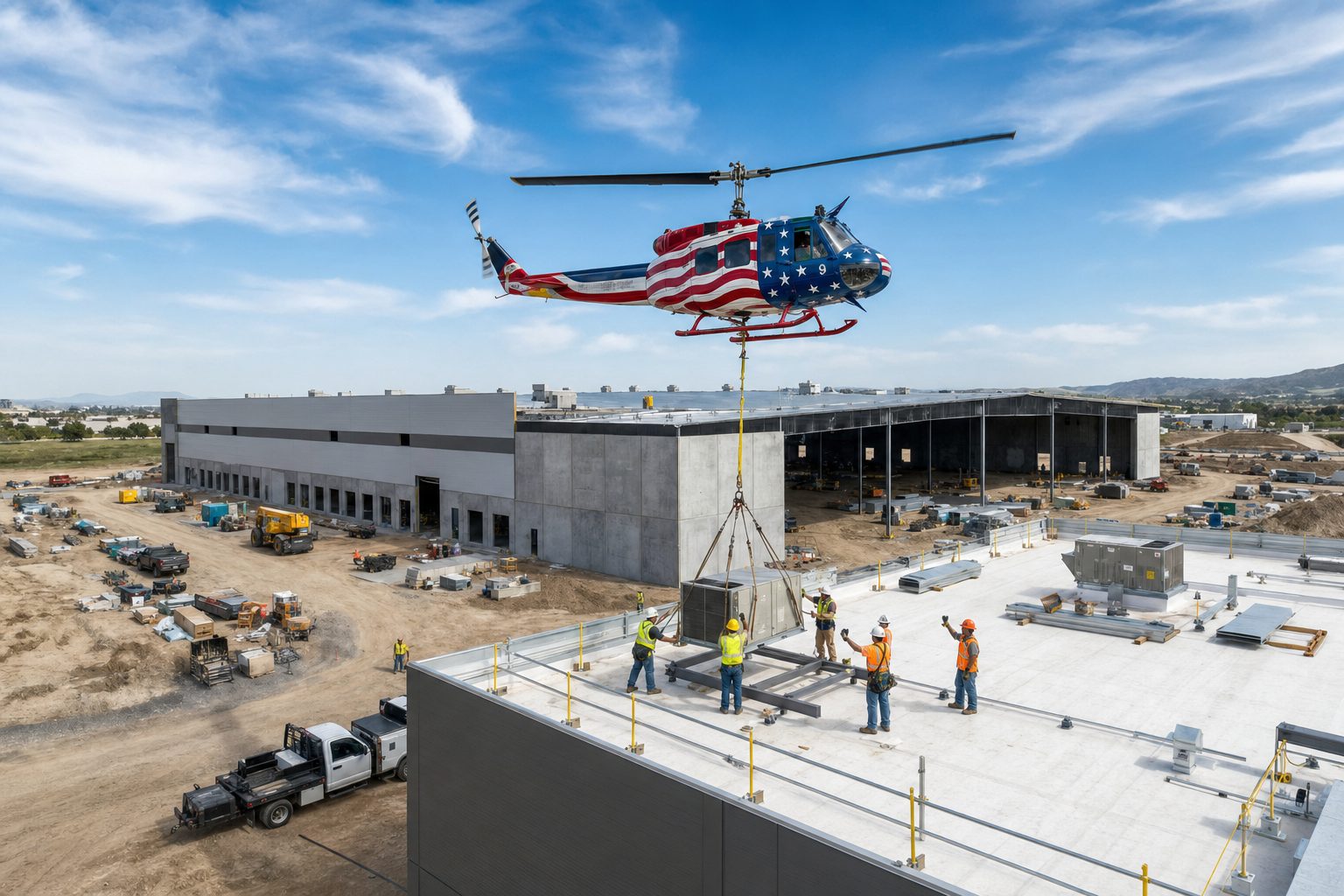
Rotor wing external load work is one of the most capable and least understood tools in industrial construction. A heavy lift helicopter crew can place 10 to 15 rooftop units per hour, stack tower sections in roadless terrain, and string conductor across wetlands that would take weeks of matting to reach by ground. Civilian airframes carry certified hook capacities from roughly 4,500 pounds in the light twin class to 28,000 pounds on the heaviest tandem rotor aircraft (standard day, sea level; heat, humidity, and density altitude reduce every figure).
Yet most of what a contractor finds online about this work is thin marketing copy. Estimators deserve better. This site exists to publish the material the enthusiasts behind it always wished existed: load class explanations, cost anatomy, rigging design factors, Congested Area Plan timelines, and honest comparisons, written for the person building a bid at 11 PM.
The doctrine
The Editorial Doctrine: Total Tool Neutrality
Every analysis on this site follows one rule, borrowed from the best lift engineers in the field: vet the best tool for the job, even when that tool is a ground crane.
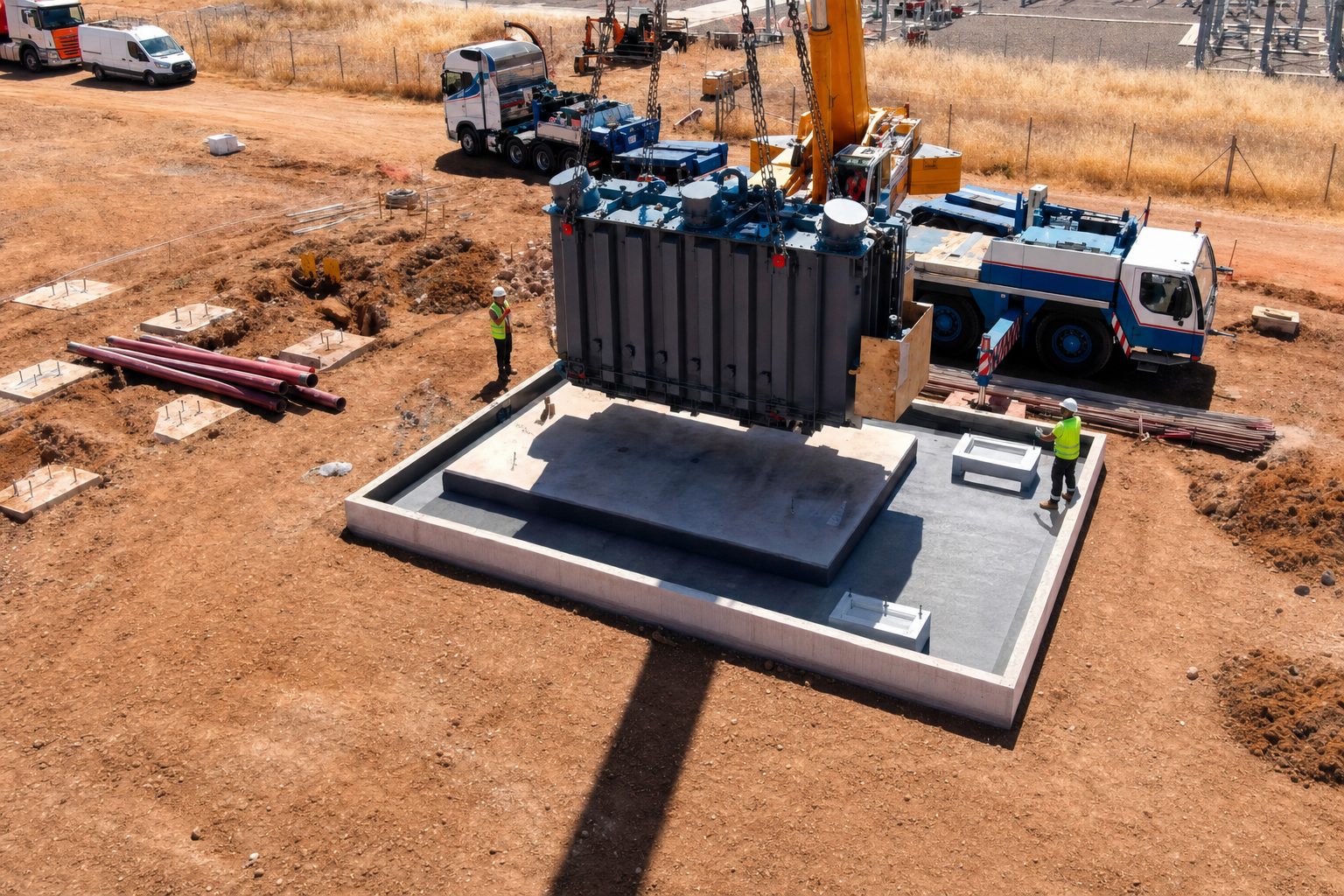
Operators and contractors who do this well run the physics of the pick (load weight, radius, site access, schedule, airspace) against both rotorcraft and ground crane economics before committing budget. Long duration steady lifting, single ultra heavy picks beyond 28,000 pounds, and sites with clear street access and no closure costs usually belong to the crane. Congested rooftops, roadless country, energized corridors, and compressed outage windows are where the helicopter dominates. This site names the winner either way, because analysis that always concludes "helicopter" is advertising, and this site does not advertise.
The library
What Readers Will Find Here
The library is organized around three verticals and a technical blog:
- Aerial construction: HVAC and rooftop unit placement, steel erection, modular building sets, and concrete bucketing, with the cycle rates and cost math estimators actually use.
- Utility and infrastructure: tower construction, pipeline support, and transmission line stringing, including the vendor qualification standards utilities impose on flight crews.
- Specialized heavy lift: the never-be-beat missions, from disaster relief mobilization to drop testing, at the ceiling of civilian external load capability.
- The blog carries ongoing analysis: cost breakdowns, capability tables, and operations explainers.
The regulatory spine
How the Professionals Do It: Standards This Site Covers
Readers will see the same regulatory spine referenced across every page, because it is the spine of the industry itself:
- 14 CFR Part 133, the Rotorcraft External-Load Operator Certificate that governs load Classes A through D and gives the pilot in command final legal authority to refuse any lift.
- OSHA 1926.551, the ground rules for helicopter crane operations: crew PPE, static discharge protocol, tag lines, and documented rigging inspection.
- ASME B30 series conformance for below the hook devices, with sling design factors of 5:1 minimum and non-HEC longlines at 7:1.
- Safety Management Systems built on Just Culture principles, plus the contractor prequalification world of ISNetworld, Avetta, TRIR, and EMR that decides who gets on site.
When an article cites a figure from these frameworks, it links the source. When a number cannot be verified, it does not ship.
The manifest
Follow the Work
New analyses publish regularly. Readers who want the next cost table, load class explainer, or crane versus helicopter breakdown as it goes live can join the mailing list. That is the only thing this site will ever ask of a reader: keep learning with us.
Frequently asked questions