The missions beyond standard construction

Specialized Heavy Lift: How Sky Crane Services and Helicopter Crane Missions Work

Sky crane services carry cargo on an external hook under FAA Part 133 authority, up to the civilian ceiling of 28,000 pounds on the hook of the BV-234 Chinook. This hub analyzes the work beyond standard construction: disaster response, certification drop testing, and freight to roadless country. When a ground crane is the better engineering outcome, the analysis says so.

Read the Part 133 Reference
28,000 lb The civilian ceiling, on the hook of the BV-234 Chinook
Part 133 The FAA rule governing every commercial external load flight
Class A to D Four rotorcraft load combination classes, each separately authorized

The definition

What are sky crane services?

A sky crane, also called a helicopter crane or aerial crane, is a rotorcraft configured and certificated to carry cargo on an external hook rather than inside a cabin. In the United States, every commercial external load flight operates under 14 CFR Part 133, the FAA's rotorcraft external load rule, which governs the aircraft, the pilot, the rigging, and the operational plan as one system.

That single sentence separates two markets. The general charter market moves people and packages. The Part 133 market engineers loads: validating weight against the aircraft's placarded hook limit at forecast density altitude, designing rigging to the correct design factor, and filing congested area plans before a load ever crosses a rooftop. This hub covers that second market exclusively.

Specifically, it covers the missions that sit above and beyond routine aerial construction and utility and infrastructure work: the operations where the load is one of a kind, the site is unreachable, the clock is set by a federal emergency declaration, or the mission itself is the test.

The fleet tiers

The civilian ceiling: 28,000 pounds on the hook

The practical ceiling for civilian heavy lift in the United States is 28,000 pounds, carried on the hook of the tandem rotor BV-234 Chinook. Below that ceiling sits a graduated tier of airframes, and matching the airframe to the load parameters is the first engineering decision of every mission.

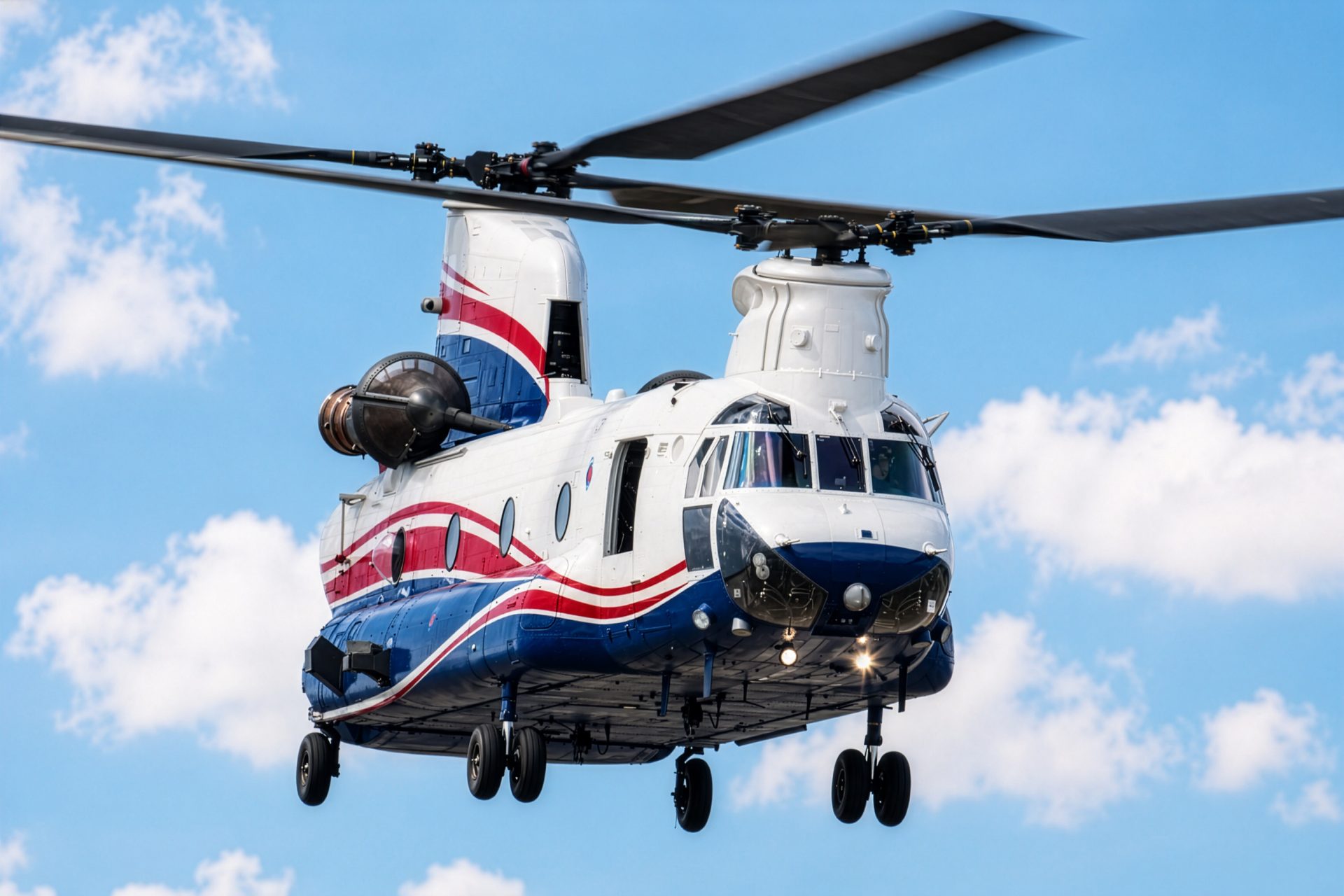
Tandem rotor Chinook helicopter in flight with full rotor arcs against open sky
The Chinook family defines the 28,000 pound civilian heavy lift ceiling.
Aircraft Max longline capacity Precision hook limit Airworthiness category Picks per hour Altitude notes
BV-234 Chinook28,000 lbs20,000 lbs precision placement (standard day, sea level) up to 28,000 lbsStandard10 to 1515,000 ft service ceiling
CH-47D Chinook26,000 lbs26,000 lbs (restricted category external load authorization)Restricted10 to 20Fatigue based inspection intervals govern
S-64F Skycrane25,000 lbs25,000 lbsRestricted15 to 208,100 ft (2,475 m) service ceiling
CH-53D Sea Stallion20,000 lbs20,000 lbs (Class B slung load)Restricted8 to 1216,750 ft service ceiling
S-70M Black Hawk9,000 lbs9,000 lbsRestricted15 to 2020,000 ft ceiling; 6,200 ft OGE hover

Capacity, hook limit, and ceiling figures reflect the published type data for each model; picks per hour are operational planning rates, not certificated values. Every figure above is a book number. On lift day, density altitude, fuel state, and rigging weight discount the payload, and disciplined operators run that math during mission planning, not after the aircraft arrives.

The airworthiness category column matters more than most project planners realize. Standard category aircraft such as the BV-234 can operate over congested areas under an approved plan. Restricted category surplus aircraft deliver enormous capability at remote sites but face congested area prohibitions. Which category a mission requires is a routing and permitting question operators resolve during technical vetting, and it is covered in depth on the external load operations reference page.

The certificate boundary

What distinguishes a Part 133 operator from a charter company?

A Part 133 Rotorcraft External Load Operator Certificate is a separate FAA certification from the Part 135 charter certificate that governs passenger and cargo transport inside the aircraft. The boundary is the fuselage wall: cargo on a hook is Part 133, people and freight in the cabin are Part 135. A charter company can legally fly a construction crew to a site. It cannot legally sling a transformer onto a pad.

Part 133 defines four rotorcraft load combination classes, and a specialized heavy lift operator must hold and fly the classes the mission demands:

  • Class A: the load cannot move freely, cannot be jettisoned, and stays above landing gear level. Fixed racks and baskets.
  • Class B: the load is jettisonable and lifted free of land or water. This is the workhorse class for every heavy external lift described on this hub.
  • Class C: the load remains in contact with land or water, such as wire pulling during transmission line stringing.
  • Class D: human external cargo (HEC), carrying a person outside the aircraft under the strictest equipment and approval requirements in the rule.

The class structure is not paperwork trivia. It dictates release mechanisms, rigging design factors, pilot qualification, and what the operator is authorized to execute when a load is hanging 150 feet below the aircraft. The external load operations page is the full plain language reference on the certificate, the load classes, and congested area plans.

The government stack

What standards govern federal and military mission work?

Specialized heavy lift regularly serves government buyers, and government work carries its own compliance stack on top of Part 133. For US Army Corps of Engineers missions and most federal construction support, the governing safety document is USACE EM 385-1-1, the Corps' safety and health requirements manual. Contractors bidding federal work should expect activity hazard analyses, lift plans, and rigging documentation built to that standard, and should expect their aviation subcontractor to arrive already fluent in it.

Beyond the regulatory floor, sophisticated buyers vet operators through third party aviation safety frameworks such as ARG/US and Wyvern audit standards, alongside contractor prequalification systems. When a procurement team asks an aviation vendor for safety management system documentation, audit history, and insurance certificates, the speed and completeness of the response tells them whether the counterparty commands the operation's paperwork or is merely forwarding the request.

EM 385-1-1 USACE safety manual 14 CFR 133 External load certificate

The reading paths

Helicopter crane and aerial crane mission profiles

Mission profile 01

Disaster relief

When a hurricane or flood severs road and grid access, rotorcraft become the logistics chain. Generator sets, utility poles, water, and temporary bridge components move by hook while ground routes are still being cleared. Heavy lift assets mobilize on timelines measured in hours under standby and readiness contracts, coordinating with FEMA emergency support functions and Corps of Engineers mission assignments, including operations inside temporary flight restriction airspace. Full detail on mobilization structures and first 72 hour load priorities is on the disaster relief page.

Field study
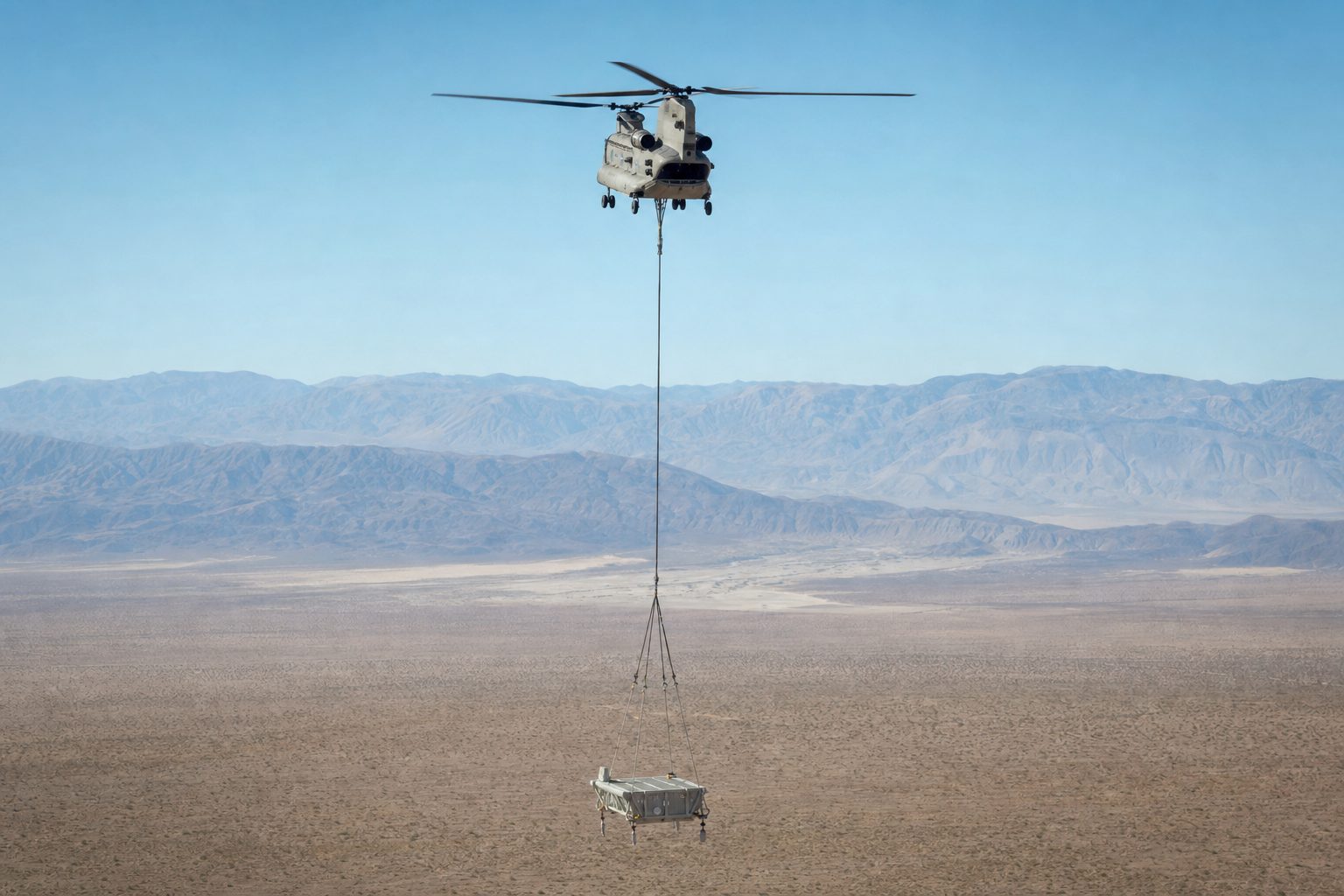
Tandem rotor helicopter holding a hover over a desert test range with an instrumented test article suspended on a single cable

Mission profile 02

Drop testing

The rarest mission profile on this hub: precision release of instrumented test articles for certification and R&D programs. Airframe crashworthiness articles, parachute and airdrop systems, and container qualification tests all require an aircraft that can hold a release point in space and a crew that speaks release envelope, positioning tolerance, and telemetry. The same Part 133 Class B jettison mechanics that protect a construction lift enable a controlled, repeatable test release. The drop testing page details release profiles, range coordination, and data package deliverables.

Field study
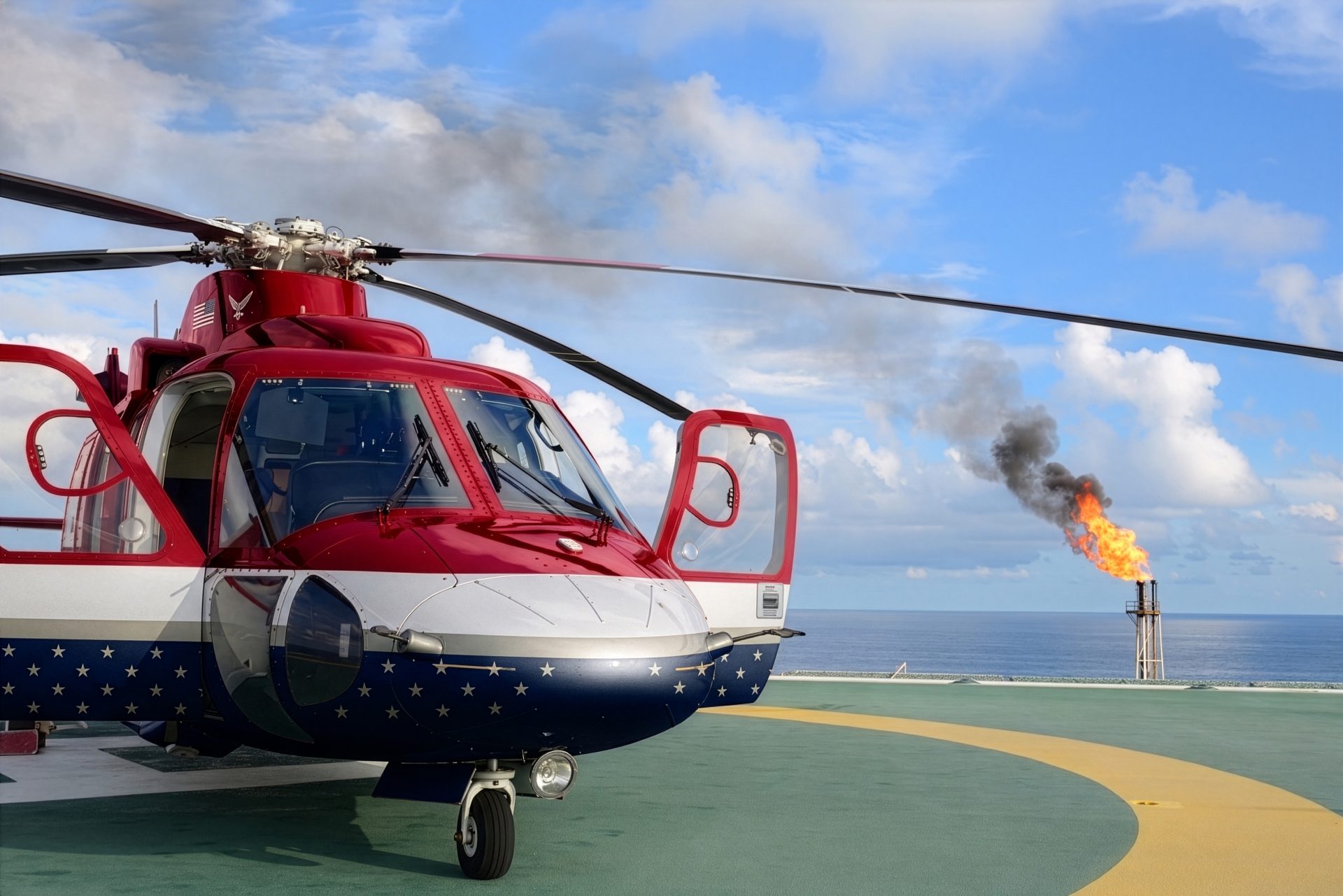
Twin engine helicopter staged on an offshore platform helideck with a gas flare burning behind it

Mission profile 03

Remote site freight

Aerial trucking for roadless country. When the alternative is building a road that costs more than the payload, external load freight compresses months of ground logistics into flight days: camp modules, fuel, telecom equipment, and bridge components delivered to sites no truck can reach. The remote site freight page walks through the full cost structure anatomy, including hourly rate, ferry time, fuel, and standby, so planners can rough out an estimate from published industry figures.

Field study

Mission profile 04

External load operations

The discipline underneath everything else on this site. The external load operations page is the canonical Part 133 reference: the certificate, all four load classes, congested area plans, rigging design factors, and the physics of flying a load on a line. Every page on this site links to it because every mission profile described here is built on it.

Pillar reference

The editorial standard

The legacy behind this site

American Heavy Lift Helicopters is an information project built by rotor wing enthusiasts, and its roots run through United States Air Force combat aviation. The founder's father, a Vietnam War combat veteran, carried the discipline of military aviation into a lifetime around external load work: standardized procedures, honest risk assessment, and mission planning that treats every lift as an operation to be executed. That heritage is why these pages read like operations annexes instead of brochures, and it sets the editorial standard for everything published here.

The honest comparison

When the ground crane wins

Solution agnostic analysis is doctrine on this site, not a slogan. A ground crane is the better engineering outcome when the lift is long duration and steady state, when a single pick exceeds 28,000 pounds, or when the site offers clear crane access with no closure costs, no mobilization bleed, and no schedule exposure. If the load parameters point to a crane, the honest engineering answer is a crane, and any operator worth its certificate will say so. The full comparison model, including every scenario where the crane wins, is published in the helicopter vs. crane total cost analysis.

When the mission points to rotorcraft, the advantage is decisive: no road building, no street closures, no weeks of crane assembly, and cycle rates of 10 to 20 picks per hour from the heaviest airframes. That is the calculus that wins bids for contractors, protects their margins, and restores grids after storms.

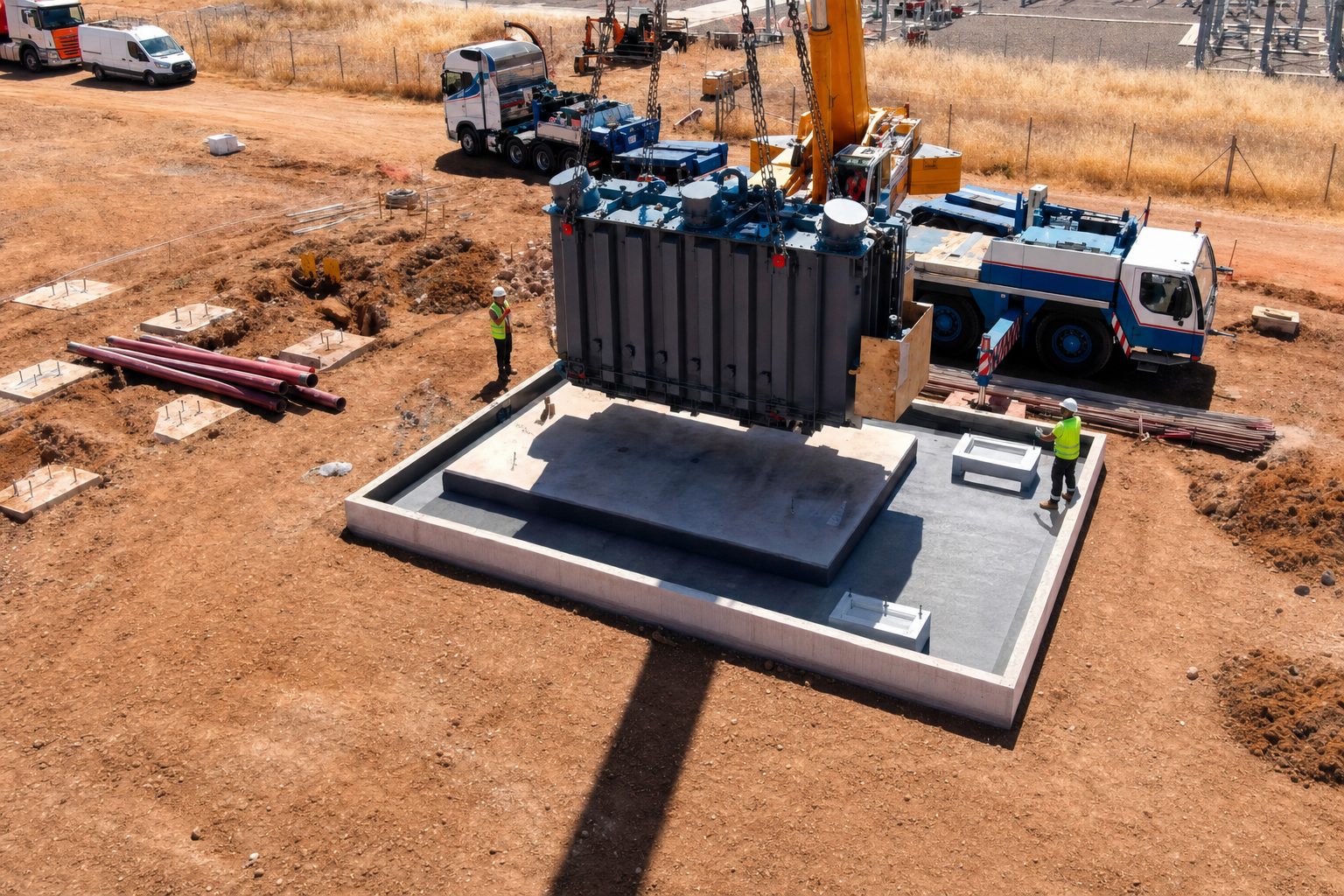
Ground crane rigged on a construction site, the baseline case every heavy lift comparison starts from
When access is clear and the lift is steady state, the honest analysis points to the crane.

The manifest

Where to go deeper

Each mission profile above has a dedicated analysis: disaster relief, drop testing, and remote site freight. For the regulatory foundation under all of them, start with the external load operations reference, then the helicopter vs. crane total cost analysis for the decision framework. New analyses publish regularly; join the mailing list to get each one as it goes live.

Frequently asked questions

Sky Crane Services, Answered

The civilian heavy lift ceiling is 28,000 pounds on the hook, carried by the tandem rotor BV-234 Chinook. The restricted category CH-47D lifts 26,000 pounds and the S-64F Skycrane lifts 25,000 pounds. Book figures are discounted on lift day for density altitude, fuel, and rigging weight, so the deliverable payload is always validated per mission.

FAA Part 133 governs the flight operation itself. On Corps of Engineers and most federal construction missions, USACE EM 385-1-1 governs site safety, lift plans, and rigging documentation. Government test and range work adds range safety standards, and buyers commonly require third party aviation audit credentials such as ARG/US or Wyvern vetting.

Under standby and readiness contracts, mobilization is measured in hours rather than days, with response time driven by ferry distance from the aircraft's staging base to the incident area. Pre-positioning agreements with utilities and agencies shorten that timeline further because credentialing, insurance, and airspace coordination are resolved before the storm, not after it.

A charter company holds a Part 135 certificate to carry passengers and cargo inside the aircraft. A Part 133 operator holds a separate FAA Rotorcraft External Load Operator Certificate covering loads carried on an external hook, including jettison systems, rigging design factors, load class authorizations, and congested area plans. Slinging cargo requires the Part 133 certificate.

The process starts with certified weight and center of gravity data, then matches the load to an airframe with margin at forecast density altitude. Rigging is designed to the applicable design factor under ASME B30 discipline, attachment points are validated, and unstable geometry is controlled with drogues or tag lines. The pilot in command holds final authority over the rigging before the load flies.

Many surplus heavy lifters, including the CH-47D and S-64F, are certificated in the FAA restricted category, which prohibits flight over congested areas except under tightly limited conditions. Standard category aircraft such as the BV-234 can work congested areas under an approved congested area plan filed with the FAA. Category drives routing, permitting, and aircraft selection.