Reading path 02: Utility and infrastructure

Utility Helicopter Services for Grid & Infrastructure

Utility helicopter services deliver external loads from 3,500 to 28,000 pounds into corridors, ridgelines, and rights-of-way that defeat crane mobilization, executing 10 to 25 picks per hour under FAA Part 133. Operators plan every mission near energized circuits to OSHA 1926.1408 clearance standards. This guide breaks down the mission sets, the aircraft, and the qualification standards, written for EPC procurement leads, electrical contractors, and utility program managers who want to understand the discipline before they encounter it on a bid.

Read the Part 133 Reference
28,000 lb Top of the external load range flown across this category
10 to 25 Picks per hour executed under FAA Part 133
Class C The Part 133 load class that defines wire and sock-line stringing

The United States is rebuilding its grid on terrain that was hard to reach the first time. Aging transmission corridors, renewable interconnections, and pipeline integrity programs backed by federal infrastructure funding all converge on the same constraint: the structure sites are in mountains, wetlands, and environmentally restricted corridors where crane access requires roads that cost more than the structures. Aerial external-load operations remove that constraint. A tower section, a drill, a compressor valve assembly, or a sock line moves by air at 10 to 25 picks per hour, and the access road is never built.

This category covers four mission sets: Tower Construction, Pipeline Construction & Surveys, Transmission Line Stringing, and Mining Operation Support. Every mission in the category is executed under 14 CFR Part 133, the FAA's Rotorcraft External-Load Operations rule, detailed on the External Load Operations reference page.

The procurement math

Why grid and pipeline programs mobilize utility helicopter services

The procurement math is driven by three line items that ground equipment cannot escape in utility terrain.

Access road elimination. A single mile of temporary access road through steep or wetland terrain carries cut-and-fill, matting, culvert, and restoration costs, plus the permitting timeline that comes with ground disturbance in a regulated corridor. A helicopter working from a staging area on existing road delivers every load to the structure site with no road at all. On multi-structure rebuilds the avoided road mileage, not the flight hour rate, decides the comparison.

The outage window. On energized-corridor rebuilds, the schedule is the product. Tower sections stacked at 10 to 20 picks per hour compress work that would consume weeks of road building and crane walks into days of flying. Shorter outages protect the utility's reliability metrics and protect the contractor's liquidated-damages exposure.

Environmental permitting. Aerial delivery leaves no ruts, no matting, and minimal ground disturbance through wetlands, riparian buffers, and habitat-restricted sections. Where a ground spread triggers Section 404 review or seasonal closures, an aerial plan frequently proceeds inside the existing right-of-way authorization. The Pipeline Construction & Surveys page quantifies the ground-disturbance delta.

Solution-agnostic disclosure, because engineers deserve it: when the site has existing road access, the picks are steady and long-duration, or a single component exceeds 28,000 pounds, a ground crane wins, and a credible operator says so during technical vetting.

The clearance discipline

How do powerline helicopter services work safely near energized lines?

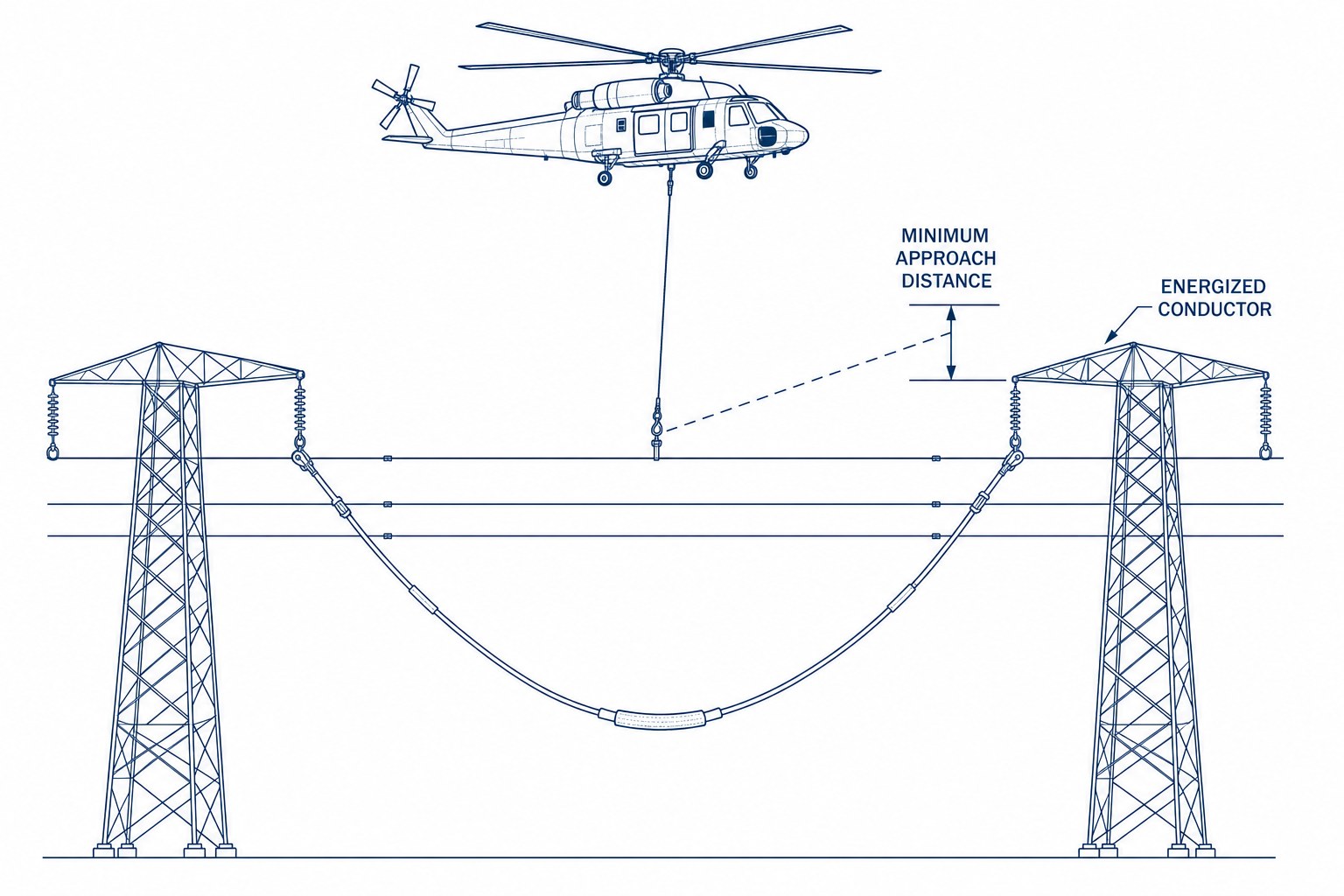
Work adjacent to energized conductors is governed by OSHA 1926.1408, which establishes minimum clearance distances from power lines by voltage class for cranes and derricks, the same proximity discipline aerial operators plan to. A sound lift plan near an energized circuit documents the applicable minimum approach distance, the encroachment-prevention measures, and the utility's own clearance requirements where they are more restrictive.

Two doctrines matter beyond the clearance table.

Twin-engine redundancy. Near an energized conductor, a single engine failure cannot be allowed to put the aircraft into the wire zone. For line-proximity work, operators assign twin-engine aircraft such as the Bell 412EP, so that an engine loss results in a controlled flyaway rather than a descent into the circuit. The full doctrine is detailed on the Transmission Line Stringing page.

Static discharge. A helicopter in flight builds a substantial static charge. Under the ground-crew protocols of OSHA 1926.551, the load or line is grounded with a discharge conductor before any lineman or ground crew member makes contact. No hand touches the hook side until the charge is bled to ground.

Diagram of a helicopter pulling sock line between two lattice transmission towers with the minimum approach distance labeled from the energized conductor per OSHA 1926.1408
OSHA 1926.1408 Energized line clearance standard OSHA 1926.551 Ground crew static discharge rule

The load classes

Part 133 load classes on utility work

Part 133 defines four external-load classes, and utility work is where the distinctions earn their keep. Class B is the standard profile for this category: the load is lifted free of land or water and jettisonable, which covers tower sections, drills, valves, and mats on the hook. Class C covers a jettisonable load that remains in contact with the ground, which is the regulatory definition of wire and sock-line stringing. An operator's Rotorcraft Load Combination Flight Manual must authorize each class flown. When a utility's vendor-qualification questionnaire asks which classes an operator holds, that is the question it is asking.

The airframes

Aircraft for utility infrastructure aerial support

Payload is dynamic, never static. Every figure below is a maximum under favorable conditions; density altitude sets the real number on lift day. Rule of thumb: roughly 3 percent of engine power per 1,000 feet of density altitude, and a 10°F rise above standard temperature adds roughly 600 feet of density altitude before the terrain climbs at all.

Aircraft Max longline / hook Picks/hr Utility application
Columbia BV-234 Chinook28,000 lbs (20,000 lbs precision)10-15Heaviest grid components; standard category
Boeing CH-47D Chinook26,000-28,000 lbs10-20Tower sections; superior high/hot stability
Sikorsky S-70M Black Hawk9,000 lbs15-20Hot/high specialist; 6,200 ft OGE hover
Bell 214B Big Lifter8,000 lbs longline15-1814,000 ft density altitude capability
Kaman K-MAX K-12006,000 lbs20-25Highest cycle rate; low downwash for stringing support
Bell 412EP4,500 lbs15-20Twin-engine redundancy near energized circuits
Bell 212 Eagle Single3,500 lbs std / 4,500 lbs modified15-20Economical light utility lifter

Figures compiled from manufacturer specifications and published operator data; precision-placement ratings and cycle rates vary with load geometry and site elevation. Remote, non-congested utility terrain also unlocks restricted-category heavy lifters at full external-load capability, an operational advantage congested urban work does not enjoy.

The reading paths

Helicopter infrastructure construction: the four mission sets

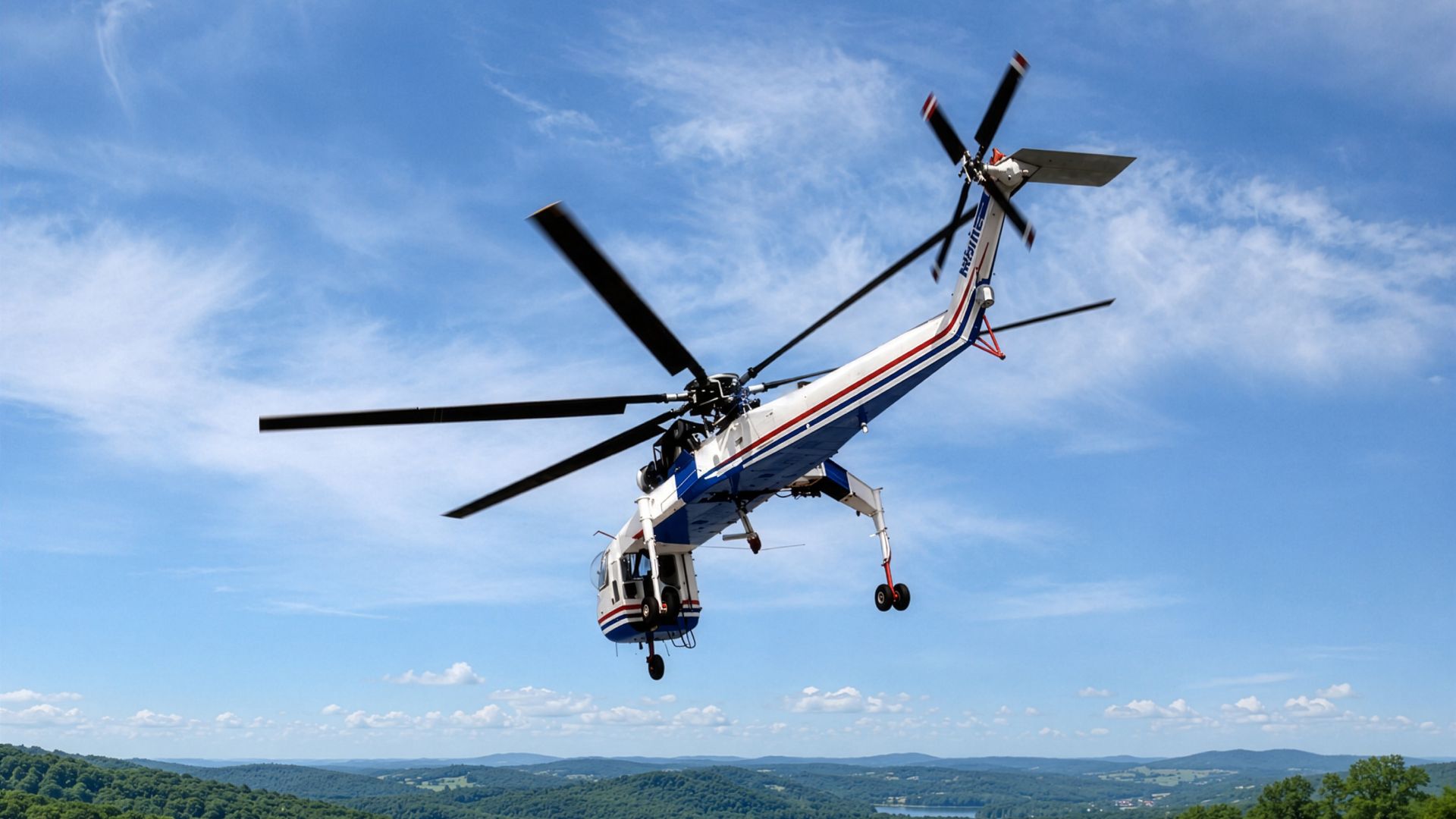
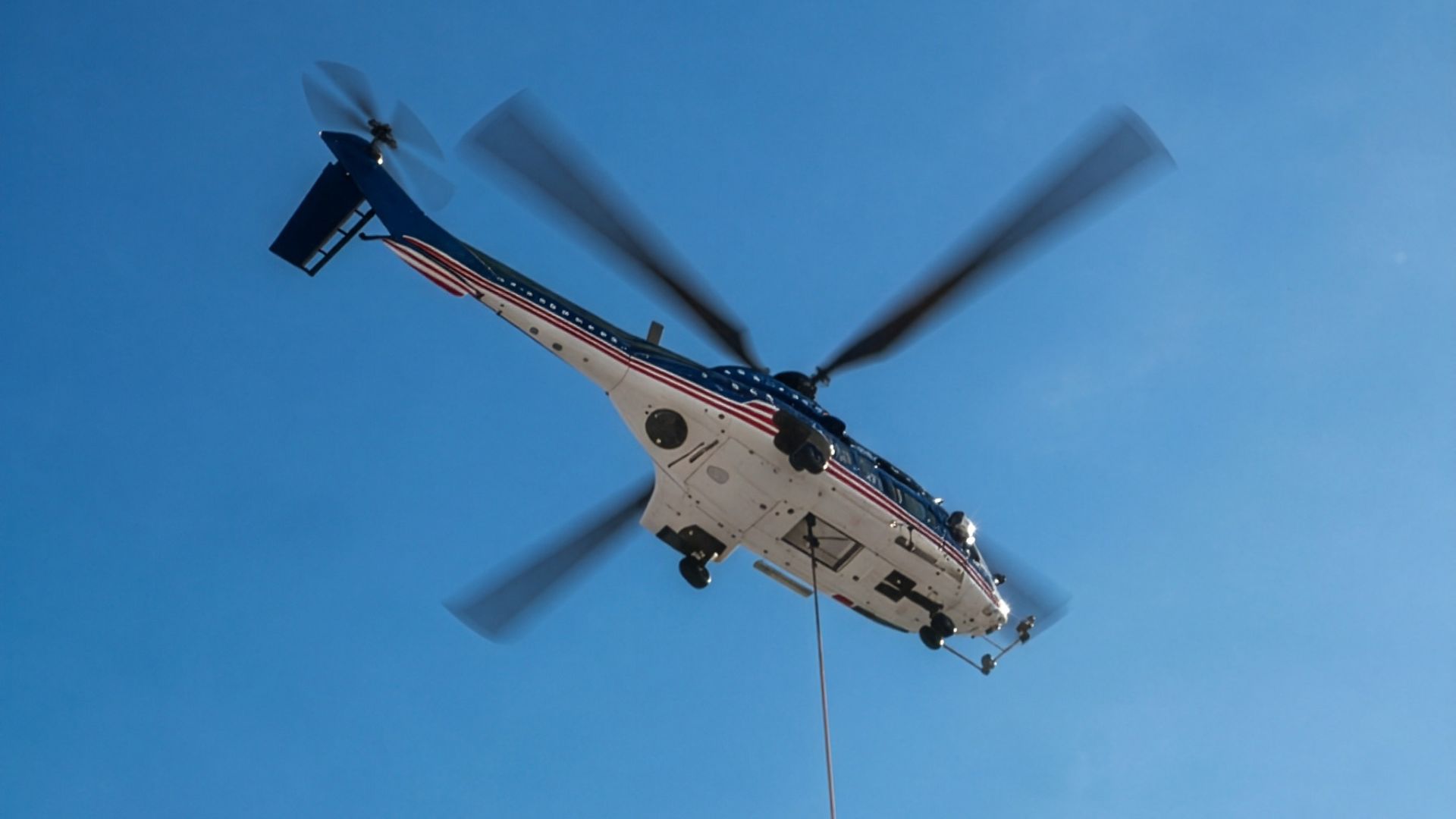
Twin-engine helicopter overhead with a longline during a utility tower lift

Mission set 01

Tower construction

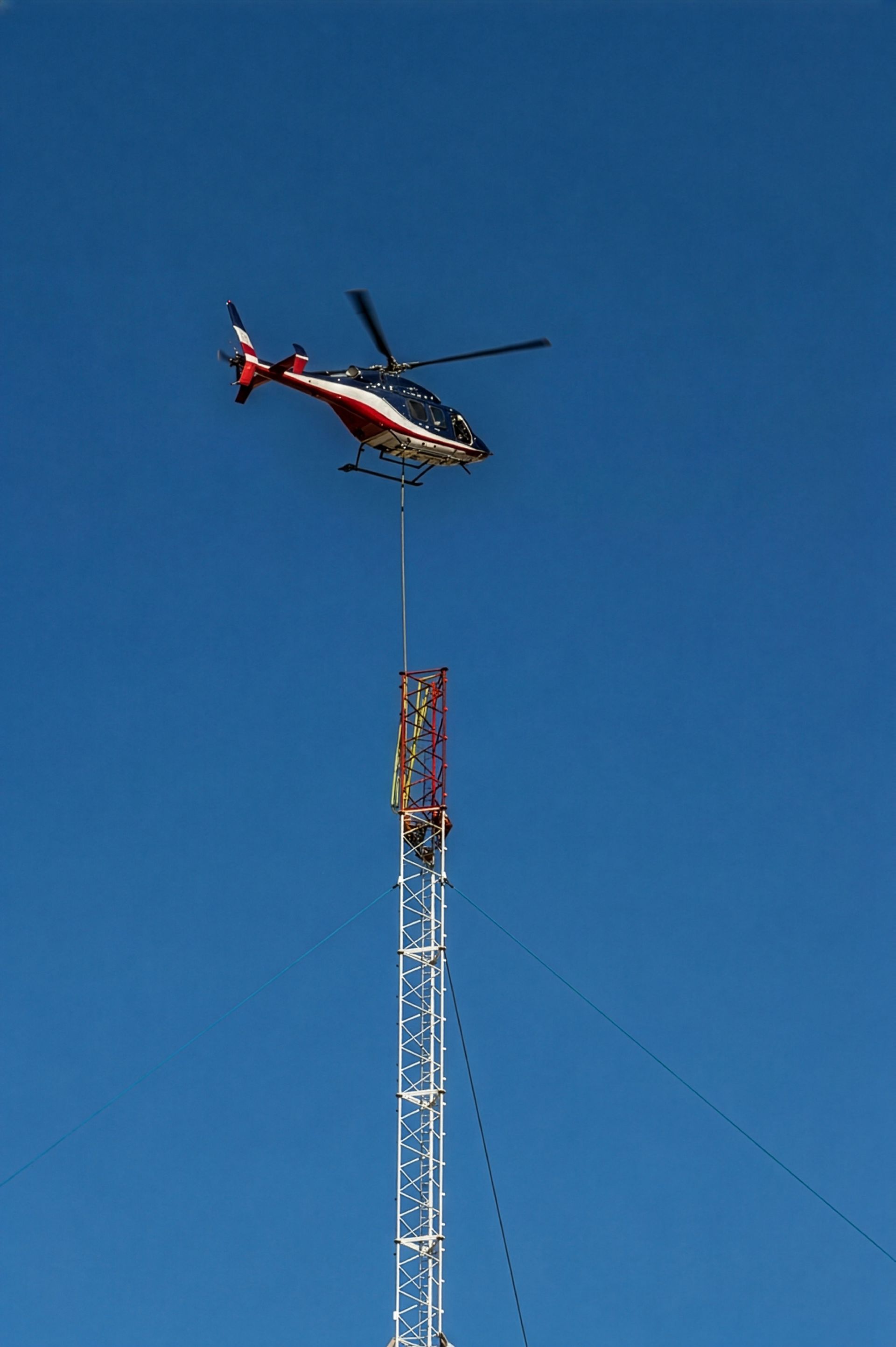
Transmission towers, telecom masts, and met towers flown and stacked in terrain that defeats crane mobilization. Sections are tag-line controlled, aligned, and pinned at 10 to 20 picks per hour, with density altitude math governing aircraft selection for high sets. Tower Construction.

Field study 01
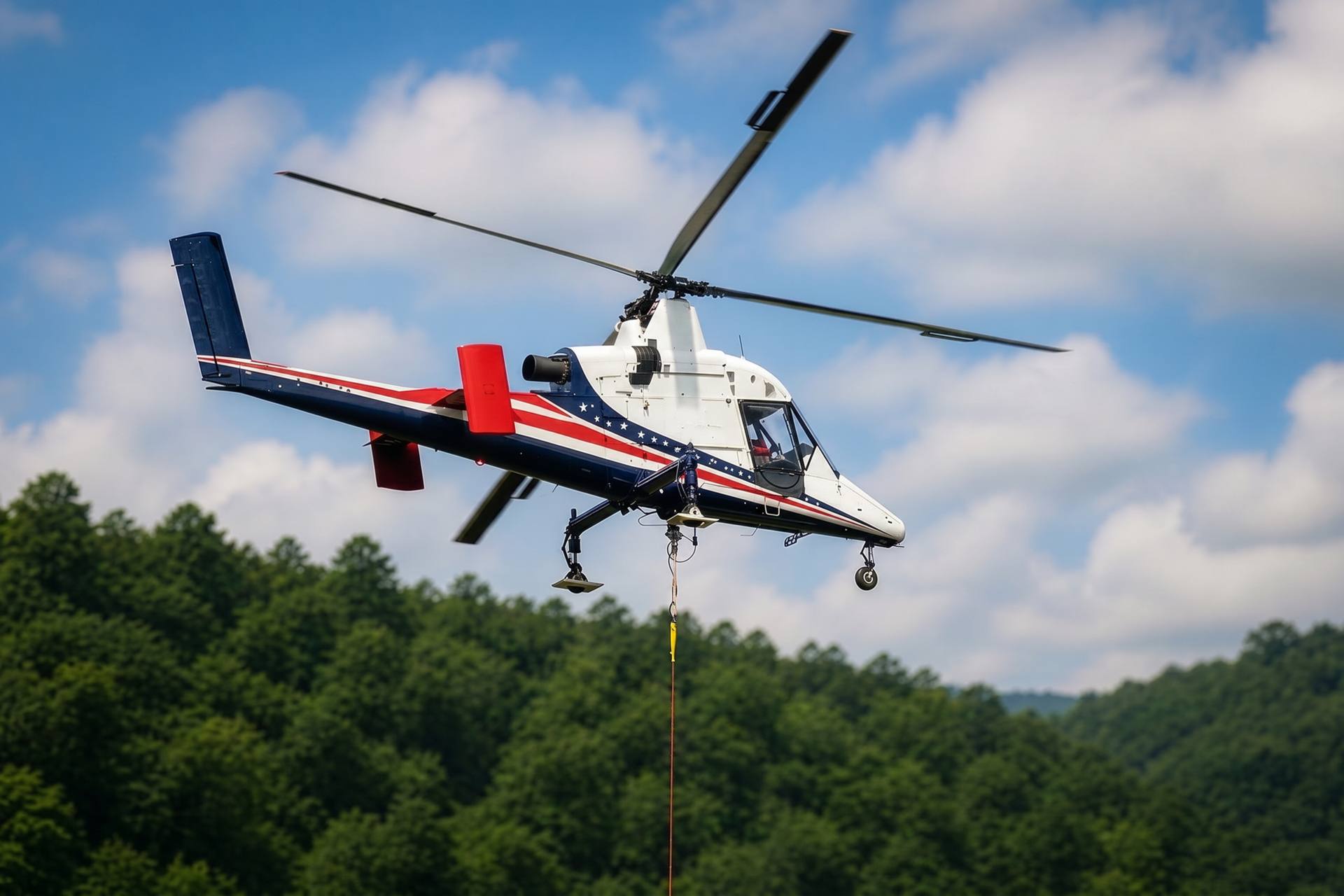
Kaman K-MAX hovering with a longline over forested terrain

Mission set 03

Transmission line stringing

Sock line and lead lines pulled, travelers set, and conductor work executed as Part 133 Class C operations under twin-engine doctrine. The most standards-dense mission in the category. Transmission Line Stringing.

Field study 03
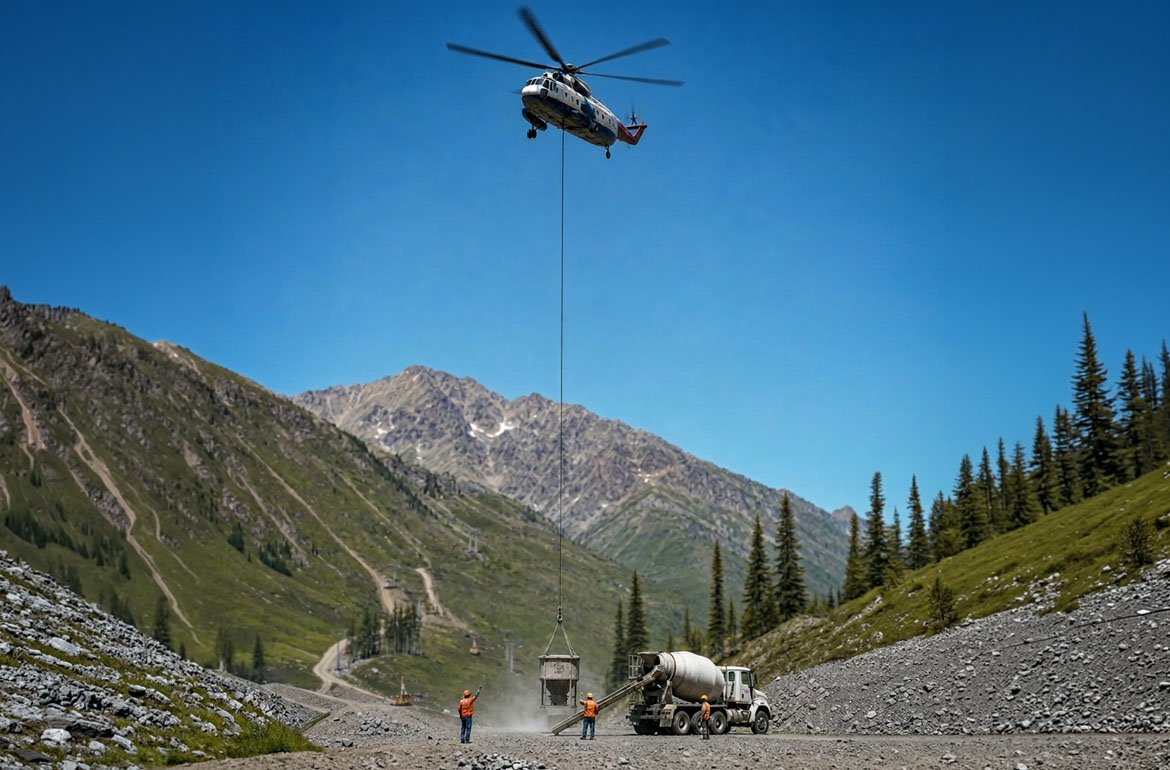
Sikorsky S-61 lowering a concrete hopper on a longline to a remote alpine job site as ground crew signals

Mission set 04

Mining operation support

Drill moves, camp modules, fuel, and mill components flown to roadless, high-elevation sites. The full high, hot, and heavy density-altitude treatment lives on this page. Mining Operation Support.

Field study 04
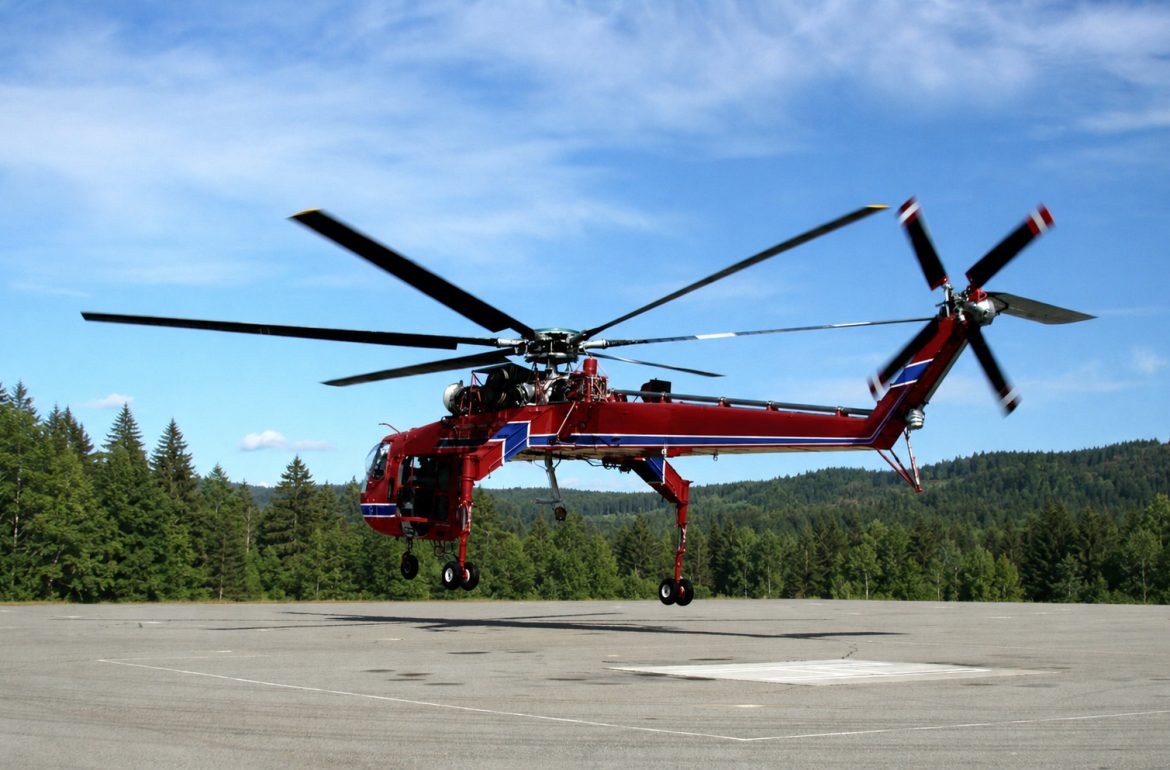
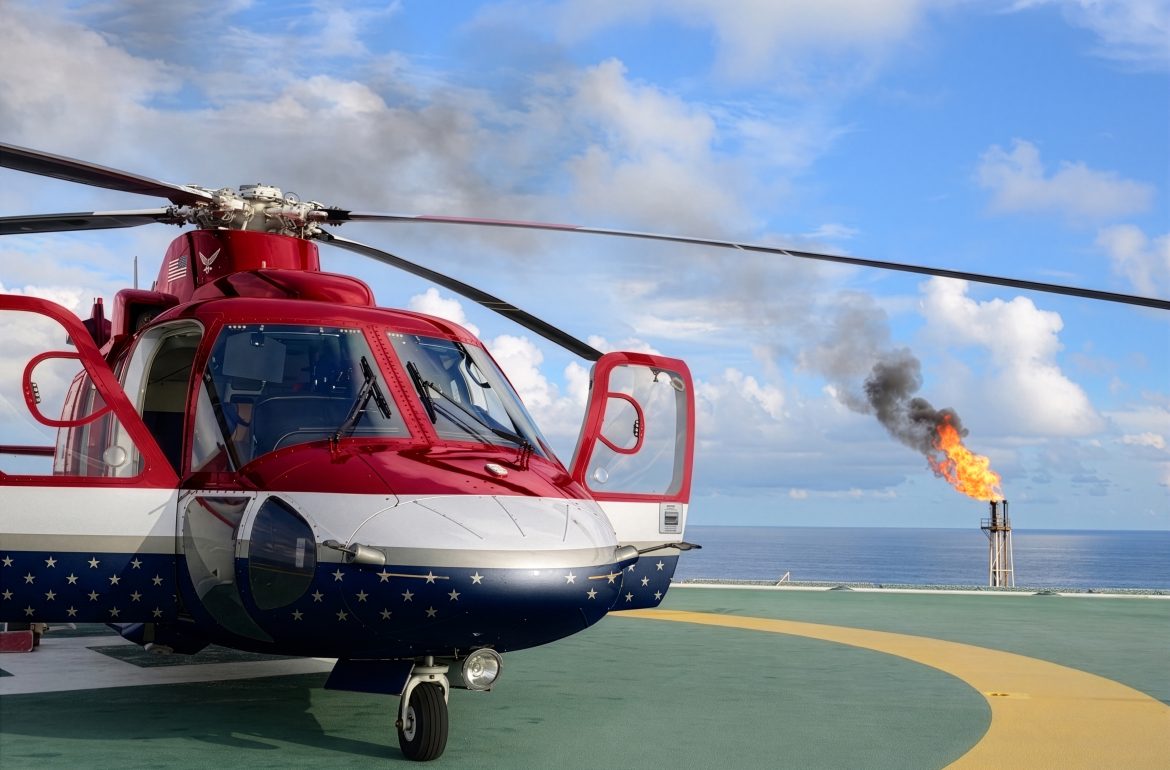
Sikorsky medium twin parked on an offshore platform helideck with the drilling derrick behind it

Mission set 05

Offshore and oil rig support

Crew rotation, deck cargo, and the narrower band of external load work over water. Why most offshore flying runs under Part 135 rather than Part 133, and why the helideck caps the aircraft before payload does. Offshore and Oil Rig Support.

Field study 05

The paperwork

Vendor qualification: what utilities require from aviation contractors

Utility and EPC procurement runs on documentation, and an aviation contractor should be qualifiable as fast as any other subcontractor. This is the package a compliance-driven buyer audits before an aircraft ever appears on a lift plan:

Qualification item What the buyer should require
FAA Part 133 certificateCurrent Rotorcraft External-Load Operator Certificate with the load classes the scope requires
Safety Management SystemDocumented SMS covering hazard identification, risk assessment, and change management
Contractor prequalificationISNetworld or Avetta registration, current and in good standing
Safety metricsTRIR and EMR below 1.0, documented and current
Insurance stackAviation hull and liability, on-hook cargo coverage, waiver of subrogation, additional insured endorsements, with limits matched to contract value
Federal work standardOperations conforming to USACE EM 385-1-1 on Corps and federally contracted infrastructure

Role delineation is part of the same discipline. The pilot in command holds final legal authority over rigging integrity and load acceptance, and can refuse any lift. The contracting client provides certified load weights and engineered pick points. The operator validates load parameters against the aircraft's placarded limits at forecast density altitude before the aircraft launches. Precision about who owns what is how an estimator prices aerial work without contingency padding.

The wider library

Readers researching work outside the utility corridor can continue with this site's other two verticals: aerial construction helicopter services for commercial building work, and specialized heavy lift missions for disaster relief, drop testing, and remote site freight. New analyses in this series publish regularly; joining the mailing list is the way to catch them as they land. The story of the rotor wing enthusiasts behind this site, including its Air Force aviation heritage, is on the About page.

Frequently asked questions

What Utility and EPC Buyers Ask About Aerial Work

Line-proximity work is planned to OSHA 1926.1408 minimum clearance distances by voltage class, with the utility's own approach limits applied where stricter. Operators assign twin-engine aircraft such as the Bell 412EP so an engine failure produces a flyaway, not a descent into the circuit, and every load is grounded with a static discharge conductor before ground crew contact per OSHA 1926.551.

A Class C external load is jettisonable but remains in contact with land or water during the operation. Wire and sock-line stringing is the canonical example: the line pays out along the ground as the helicopter pulls it between structures. The operator's certificate and Rotorcraft Load Combination Flight Manual must specifically authorize Class C operations.

All of it, on the structure sites flown. Temporary access roads through steep or wetland terrain carry cut-and-fill, matting, culvert, restoration, and permitting costs per mile, and a multi-structure corridor multiplies that mileage. Aerial delivery works from a staging area on existing road, so the avoided road package, not the flight hour rate, usually decides the total-cost comparison.

A current FAA Part 133 certificate covering the required load classes, a documented Safety Management System, ISNetworld or Avetta prequalification in good standing, TRIR and EMR below 1.0, and an insurance stack that includes on-hook cargo coverage, waiver of subrogation, and additional insured status. On federal work, conformance to USACE EM 385-1-1 should be explicit in the contract.

Frequently, yes. Because loads arrive by air, there is no road cut, no rutting, and minimal ground disturbance in wetlands, riparian buffers, and habitat-restricted sections. Projects that would trigger extended environmental review for a ground spread often proceed inside the existing right-of-way authorization, though corridor-specific permits and seasonal restrictions still govern.