
Field resource
Helicopter Lift Project Intake Checklist
heavylifthelicopters.us/resources/helicopter-lift-intake-checklist
Before the quote
Helicopter Lift Project Intake Checklist
What an operator needs in hand before a helicopter lift can be priced. Tick it off on screen, print it, and send the whole package at once.
Why complete intake decides the quote
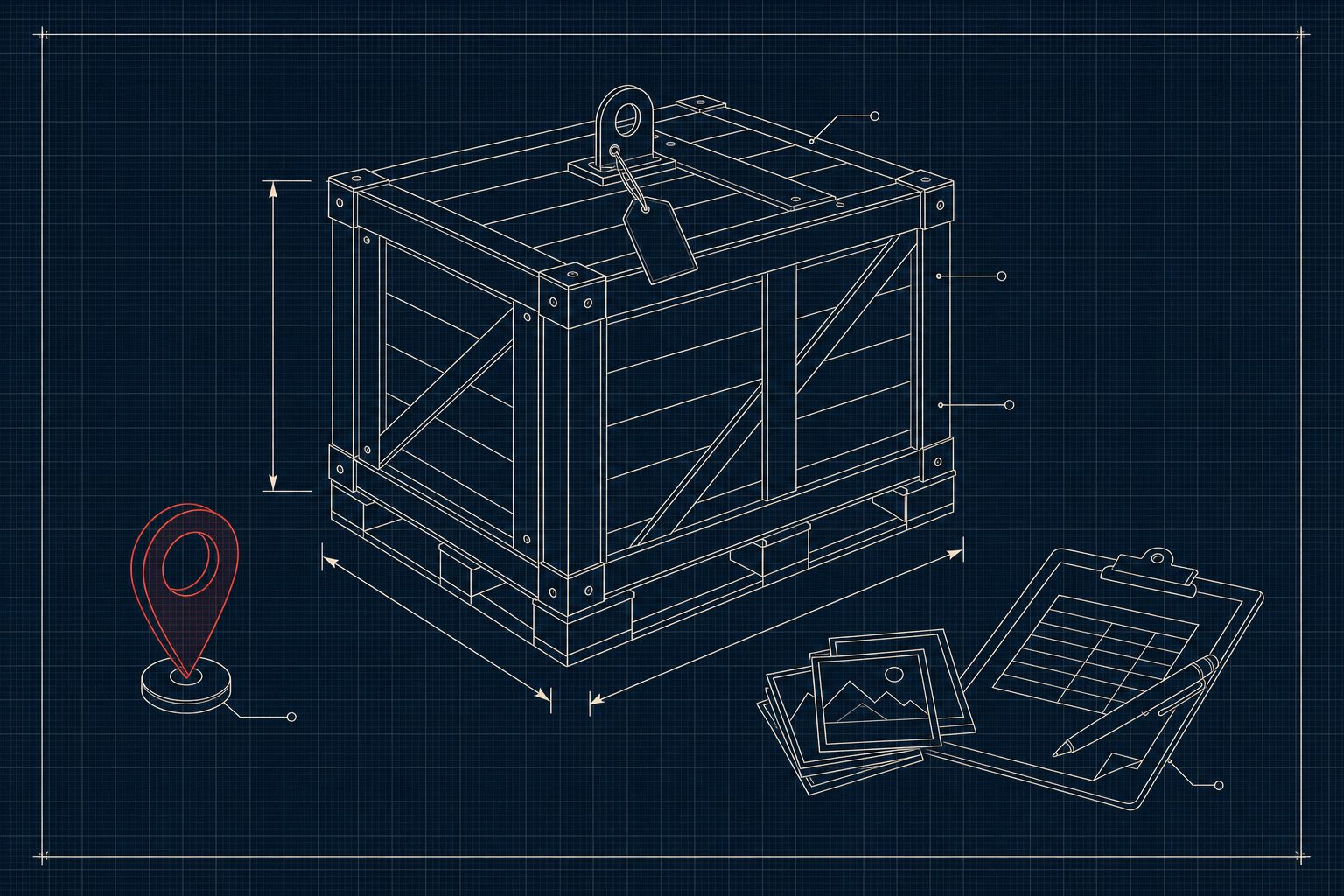
Before an operator can price a lift, five things have to exist in writing: a certified weight for every load, the dimensions of each one, latitude and longitude for both the pickup and the set point, photographs of the site taken from the approach path, and a date with a stated flexibility window. An intake package missing any of those forces the operator to quote defensively, which means padding the aircraft, padding the hours, or declining the work. Complete intake is the cheapest thing a contractor can do to make a lift quote accurate.
This checklist is that package, in the six groups an operator reads it in. Each item carries a note on why the information matters and what goes wrong without it, because the reasoning is what lets a project manager judge which gaps are tolerable and which ones stop the job. The procedural background sits in the lift planning walkthrough, and the regulatory architecture behind the airspace group is covered in the Part 133 external load reference.
Most of this already exists in a submittal package, a structural drawing, or a purchase order, so the work is assembly rather than investigation. The three items that take real effort are the certified weight, the coordinates, and the photographs, and those are also the three an operator cannot work around.
Ticked items are remembered in this browser, so the sheet can be filled in over several days and finished later. Printing produces a clean black-on-white checklist with the write-in lines intact, which is the form most useful on a site walk.
The intake checklist
The Load: Weight, Shape, and Behavior
The Two Points: Pickup and Set
The Site: Space, Obstructions, and Photographs
Airspace and Authority to Operate
Schedule, Windows, and Weather Tolerance
People: Contacts, Authority, and the Receiving Crew
Related reading
Behind the Checks
Three groups lean on reasoning worth reading in full: the airspace and authority questions in group 04, the weight entries that open group 01, and the planning sequence this package feeds.
Next in the toolkit
Walk It, Then Weigh It
Intake is the first of three. The survey checklist covers the site walk this package describes, and the weight guide covers the one number it cannot estimate around.
The short answers
Questions About Lift Intake
After the checklist
Sending It, and What Happens Next
Send it as one package rather than a conversation: a single PDF or folder holding the completed checklist, the photographs named for what they show, and any drawings already issued. Where a value is genuinely unknown, mark it unknown instead of estimating it. A stated gap can be planned around, and a competent operator will say which gaps have to close before a firm number exists. A guess is worse, because the aircraft, the rigging, and the margin all get chosen from it.
A serious operator reads the package in a fixed order. The certified weight goes against the aircraft's available capacity at the site's density altitude, not against the brochure figure. The obstruction inventory and the photographs answer whether a clean approach exists. The coordinates and elevations set the flight line. The congested area answer sets the regulatory calendar. Only then does a date get discussed. An operator who skips all of that and prices the job over the phone is quoting a number rather than a plan, the pattern the operator vetting guide treats as the first warning sign.
What follows a complete package is a feasibility answer, then a site survey, then the lift plan and the regulatory filings, then certificates of insurance naming the right parties, the subject of the lift insurance and liability breakdown. Sometimes the honest answer is that the load, the site, or the duration favors ground equipment, and a good operator says so at this stage. Two companion tools cover the next steps: the site survey checklist for the walk itself, and the load weight verification guide for turning an estimate into a certified figure.
New tools first
More Checklists as They Publish
New checklists, field guides, and reference tables reach the mailing list the day they go live. Double opt-in, nothing else sent.