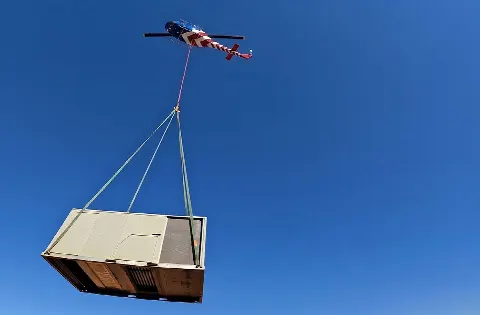
HVAC & Rooftop Units
University, laboratory, and commercial roofs may be surrounded by pedestrians or constrained streets. Ground control can be harder than the vertical placement.
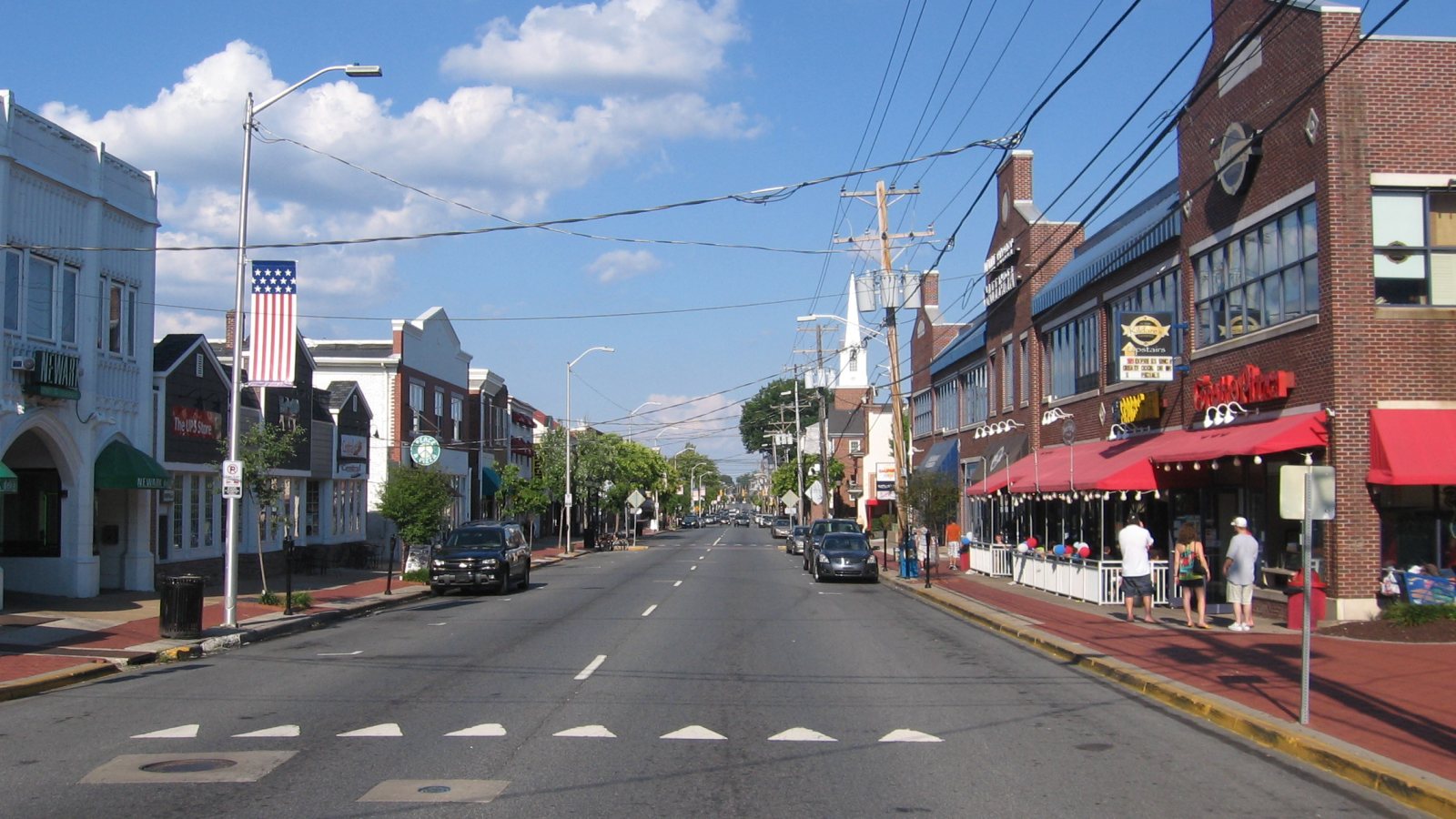
Local lift planning
University foot traffic, an active rail line, municipal utilities, and nearby Class D airspace compress the workable ground and flight window.
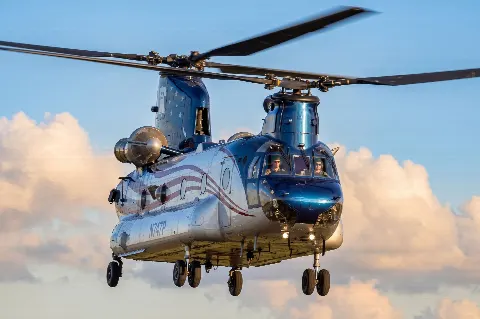
Photo: PookieFugglestein, CC0 1.0, via Wikimedia Commons. Cropped, resized, and compressed.
The Census Bureau estimates Newark at 30,359 residents on July 1, 2025, ranking it third among Delaware incorporated places in the Vintage 2025 dataset. Its daytime operating environment is shaped as much by the university, regional roads, and rail traffic as by resident population.
Newark identifies Routes 896, 273, 72, and 4 as major through routes in its Comprehensive Development Plan V 2.0. The transportation chapter also documents recurring core congestion and an active CSX line crossing near homes, university buildings, businesses, and pedestrian routes. Ground access cannot be separated from the rail and street schedule.
The city owns water, wastewater, electric-distribution, and stormwater systems, while the University of Delaware and STAR Campus anchor large institutional sites. The plan’s economic-development chapter describes STAR as a health-science and technology redevelopment area. Rooftop or utility work therefore needs facility control and utility-owner coordination before a route is treated as workable.
New Castle Airport provides the nearest controlled-airspace reference. The current FAA Northeast Chart Supplement airport page lists three paved runways, Philadelphia Approach, and Class D service during tower hours, with Class E at other times. Current charts, NOTAMs, and the exact Newark route still determine coordination.
Downtown pedestrian activity, university events, congestion, and grade crossings can turn a short placement into a large ground-control operation. Newark lists a Right-of-Way Obstruction Permit for work affecting public space. The specific plan must confirm whether streets, sidewalks, parking, utility access, or detours fall inside the permit scope.
The National Weather Service New Castle County page provides current warnings, hourly forecasts, and an aviation discussion covering KILG. Thunderstorms, low ceilings, heavy rain, or wind can invalidate a traffic closure window even when crews and equipment are already positioned.
University, laboratory, and commercial roofs may be surrounded by pedestrians or constrained streets. Ground control can be harder than the vertical placement.
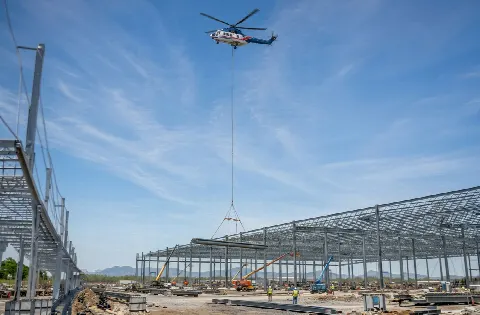
Campus redevelopment and infill work can involve short structural placements where street, rail, or facility access limits crane setup.
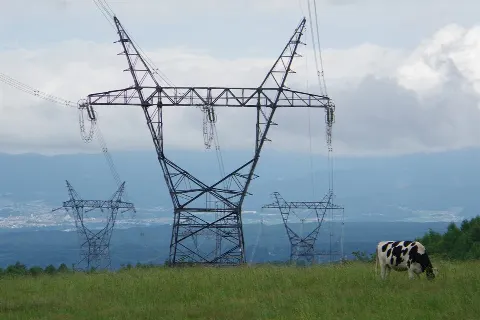
Communication assets require route review against New Castle Airport traffic, Philadelphia Approach coordination, urban obstacles, and public exposure.

City-owned electric distribution adds a clear utility-owner interface. Outage planning and overhead-line control belong in the early site review.
Heavy rain or severe weather can disrupt both city access and aviation. Recovery staging must preserve university, emergency, and utility routes.
The University of Delaware and STAR Campus create a dense mix of laboratories, clinical facilities, teaching buildings, utilities, and active public circulation. The city comprehensive plan establishes that institutional and technology context without implying any specific facility has a lift project.
Newark-owned electric, water, wastewater, and stormwater networks create multiple interfaces for rooftop equipment or utility work. The FAA Part 133 overview uses rooftop air-conditioning equipment as a standard external-load example, but local feasibility still depends on verified weight, rigging, route, and ground controls.