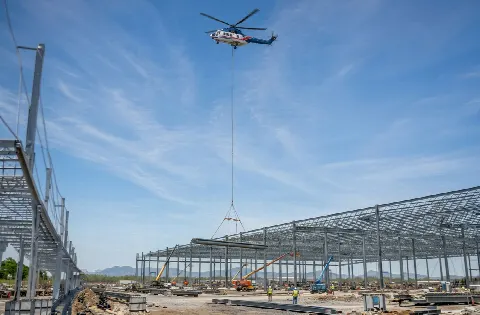
Steel & Infrastructure
Waterfront steel sites can present large components and tight production boundaries. Facility access and rail interfaces must be verified.

Local lift planning
Time-dependent airport airspace, an active steel waterfront, and lake-effect weather put route and ground control ahead of regional assumptions.
Gary represents the Indiana side of Chicago-Naperville-Elgin, estimated at 9,434,123 residents in the Census Bureau Vintage 2025 estimates. The whole-metro count establishes guide order. It is not Gary population or evidence of project demand.
The current FAA East Central Chart Supplement places Gary/Chicago International three miles northwest of the city. It lists an 8,859-foot primary runway and Class D service during tower hours, with Class G at other times. Airport proximity does not establish access.
Gary Public Works manages city streets, bridges, snow removal, temporary parking restrictions, and traffic-control barricades. A public-street footprint has a ground-authority track separate from aviation review.
The FAA airport entry flags birds and wildlife, uncontrolled vehicles on north-side ramps, restricted military taxiway use, and time-dependent airspace. Current charts, NOTAMs, airport permission, and the exact load path control.
A documented NWS Chicago lake-effect event shifted into northwest Indiana and produced 4.5 inches at Gary 6 ENE. Narrow bands can change visibility and road conditions over a short distance. The event is hazard evidence, not a forecast.
The city Traffic Department posts temporary parking restrictions and supplies barricades for traffic or crowd control. Staging cannot be inferred from an apparently open street or lot.
Waterfront steel sites can present large components and tight production boundaries. Facility access and rail interfaces must be verified.
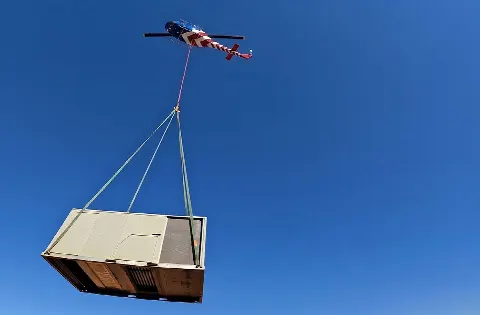
Downtown roofs can shift the constraint to street occupancy and pedestrian control beneath the receiving zone.
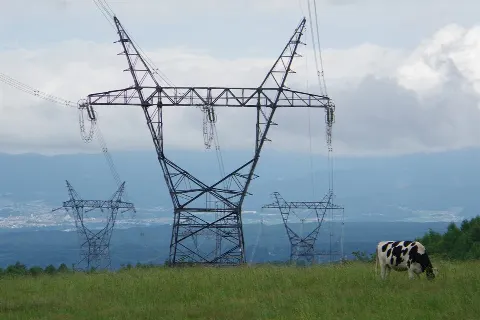
Airport airspace, industrial obstacles, and the intended route need joint review before tower-component placement is treated as feasible.

Utility work across rail or industrial corridors requires property control plus coordination with each transportation authority.

Part 133 authority, aircraft fit, insurance, congested-area planning, and ground control are independent checks.
The Indiana Multimodal Freight and Mobility Plan identifies the private Port of Gary as a Lake Michigan port serving steel and construction industries. Waterfront moves must account for plant operations and controlled property access.
NIRPC identifies Kirk Yard in Gary as Canadian National’s primary Chicagoland classification yard. Railroad permission and crossing protection remain separate from city street control.