
HVAC & Rooftop Units
Healthcare and seasonal commercial buildings need verified equipment weight plus a work window that accounts for marine fog.
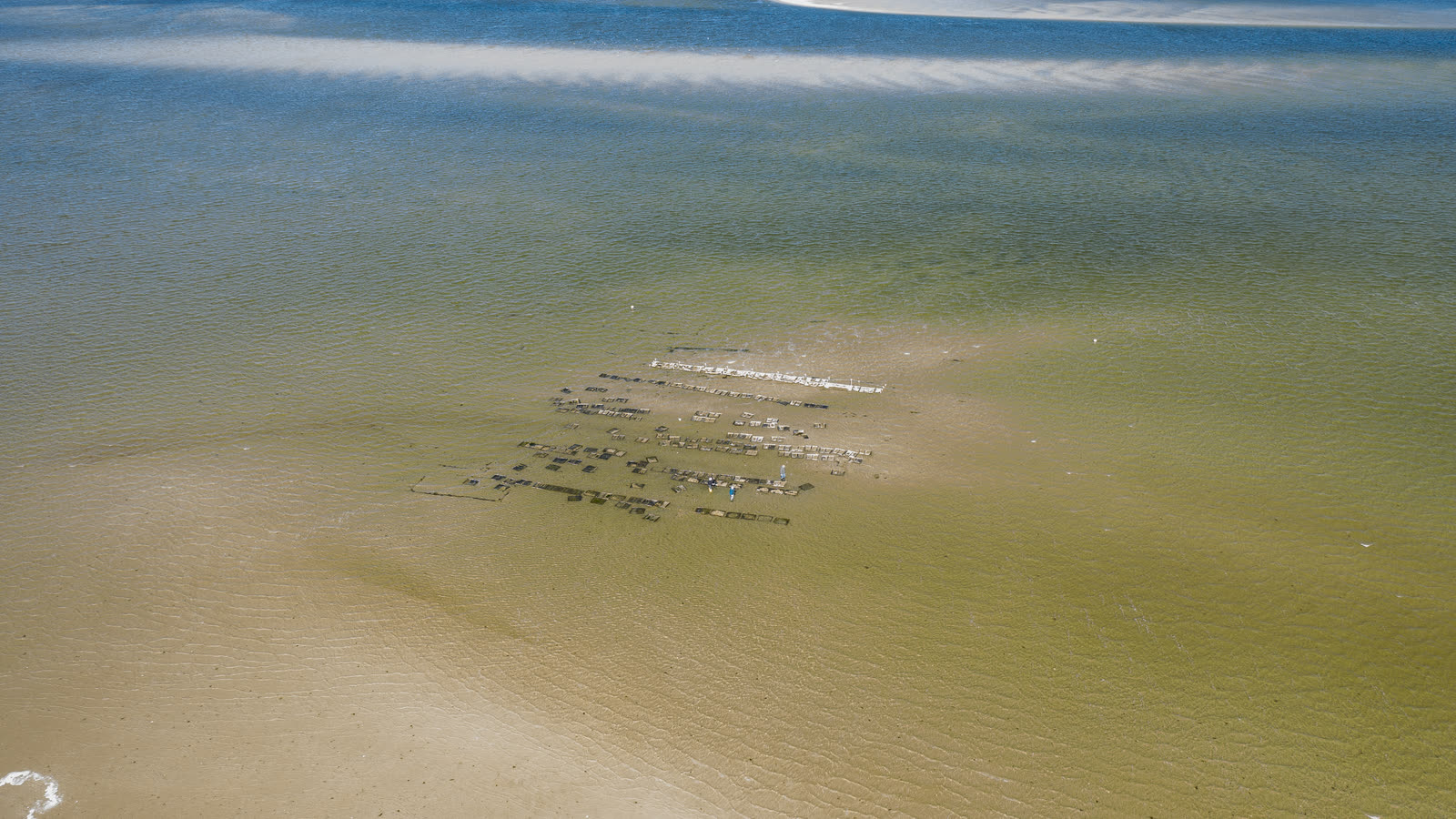
Local lift planning
Marine weather can close a Cape Cod work window before the crew clears a constrained town road.
Photo: Lance Cheung, USDA, public domain, via Wikimedia Commons. Cropped, resized, and compressed.
Census Vintage 2025 estimates the Barnstable Town metropolitan area at 233,539 residents. Barnstable is the guide anchor. The whole-metro count establishes selection and does not measure local demand.
The current FAA Chart Supplement places Cape Cod Gateway Airport one mile north of Hyannis at 54 feet elevation. It lists 5,425-by-150-foot and 5,255-by-150-foot runways. Current NOTAMs, permission, aircraft fit, traffic, and the intended external-load route remain separate checks.
Cape Cod’s Regional Policy Plan directs growth toward activity centers with adequate infrastructure and away from ecological or historic resources that require protection. That regional frame does not establish access, staging, or authority over a specific parcel.
FAA remarks for Cape Cod Gateway identify birds, coyotes, and military jet or heavy-helicopter traffic near Joint Base Cape Cod. Taxiway limits and soft shoulders add field-specific constraints. Current airport status and direct permission still control.
An NWS Upper Cape climatology describes strong marine influence, morning fog, and summer low cloud or fog on southwest winds. Historical patterns do not set a work window. Current observations, forecasts, wind, visibility, and operator limits control.
Construction within Barnstable roads and rights-of-way needs a Town permit. Planned excavations require advance filing, a dimensioned sketch, and Dig Safe identification. Town permission does not replace state-road, private-property, utility, or aviation authority.
Healthcare and seasonal commercial buildings need verified equipment weight plus a work window that accounts for marine fog.
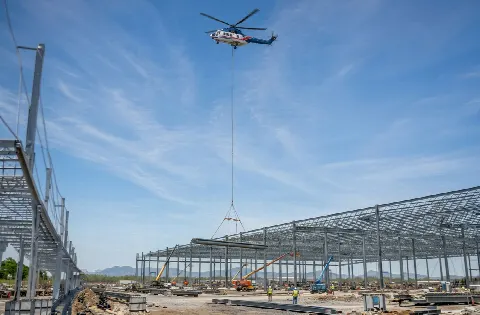
Harbor infrastructure and construction work need exact component geometry and a final-road plan that respects Town permit limits.

Cape Cod Gateway traffic, Joint Base activity, and the intended load path need separate current checks.

Coastal wind shifts and low cloud can change a tower work window quickly. Current observations control.

Town roads, state routes, public utilities, and private property can place several authorities along one corridor.
Town research lists education, health care, professional services, construction, retail, and visitor-facing work among major worker categories. Seasonal activity rises sharply from June through August, so occupancy and road access need a date-specific check.
The same Town research places Barnstable among Massachusetts’ higher-value commercial ports. Harbor facilities and coastal buildings still need exact equipment data, controlled access, and a workable receiving zone. The project intake checklist keeps those facts separate from a general industry label.