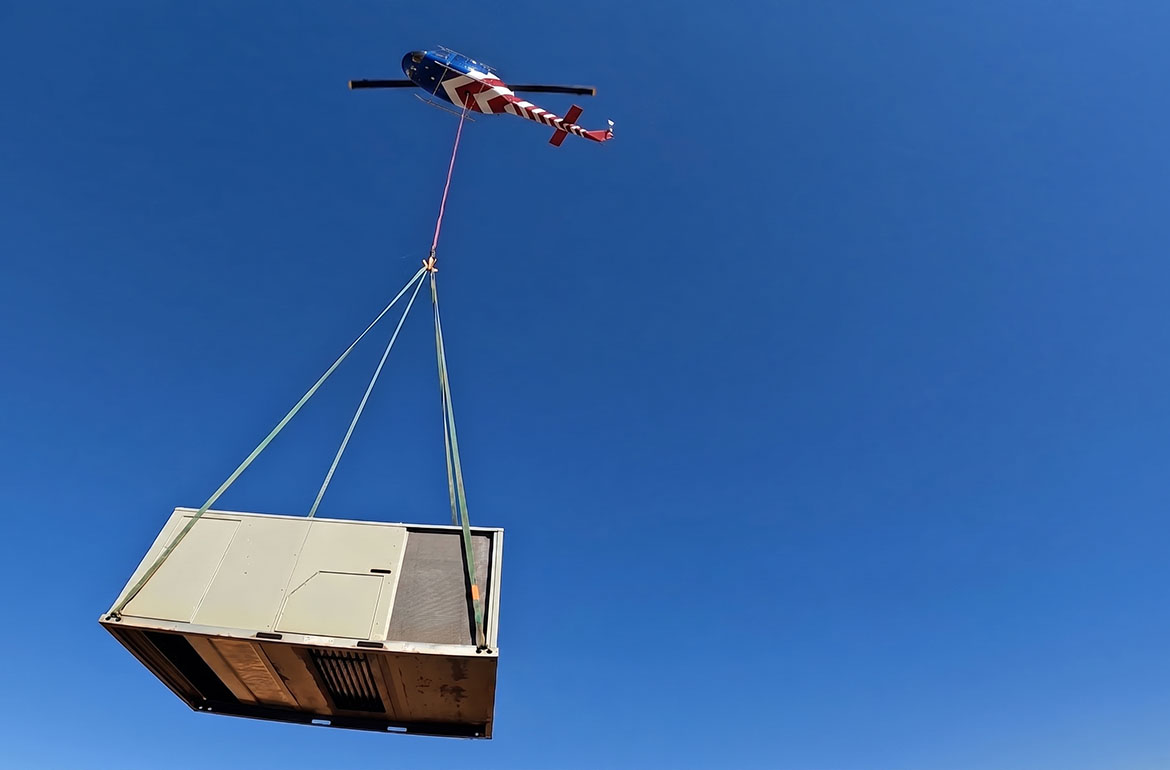
HVAC & Rooftop Units
Downtown and institutional roofs can make street occupancy and public separation the controlling issues. Class C, hospital traffic, and emergency access stay in the same plan.
Local lift planning
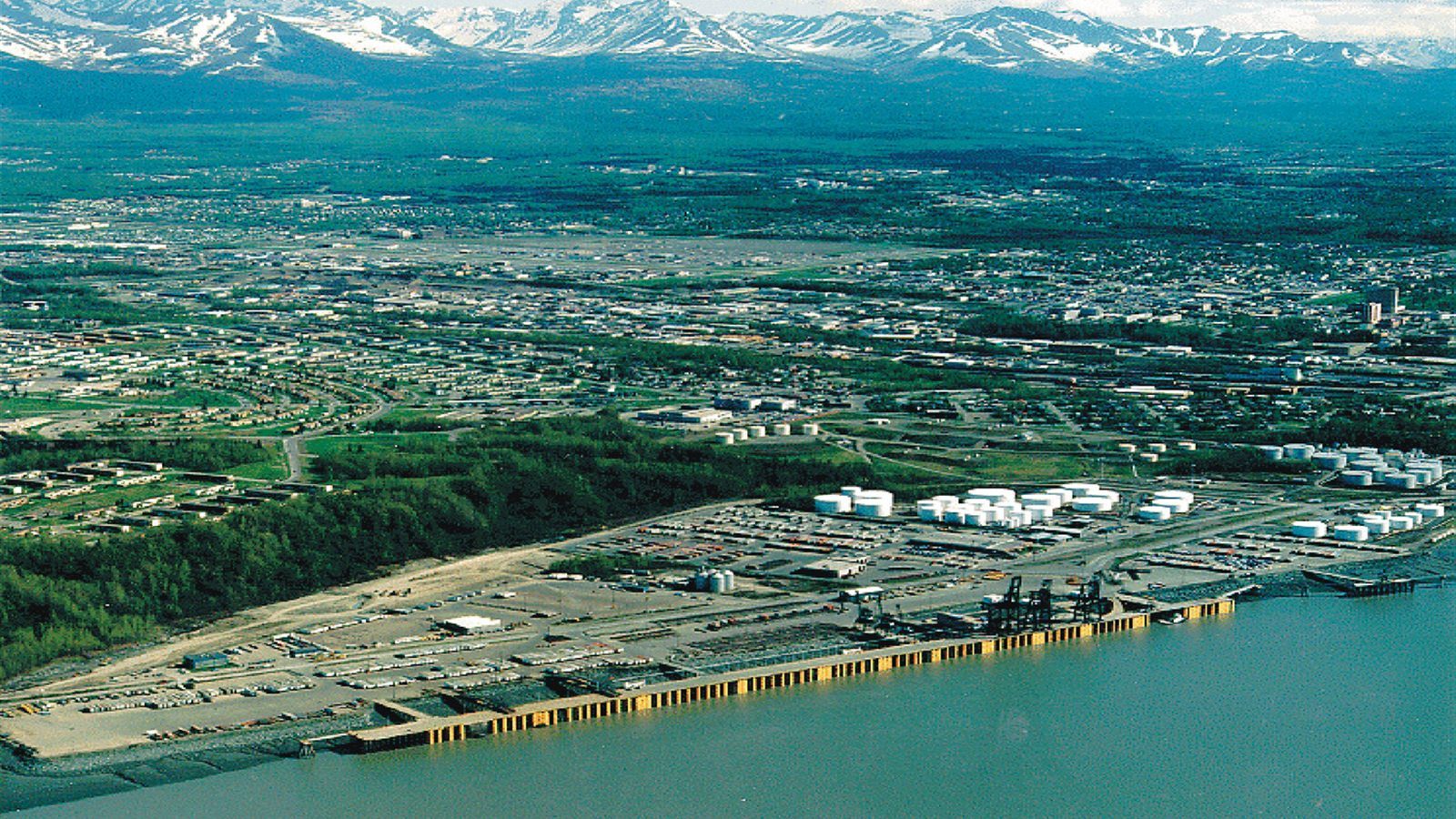
Alaska’s only Class C airspace sits beside military, cargo, seaplane, port, and urban traffic in one narrow coastal bowl.
Anchorage is the only Class C airspace area in Alaska, and the FAA Chart Supplement Alaska adds Part 93 terminal rules around Ted Stevens Anchorage International, Merrill Field, Lake Hood, and Elmendorf. A proposed external-load route has to be plotted against the current Class C shelves, adjoining Class D areas, published helicopter routes, NOTAMs, and military activity. Straight-line distance is a poor planning shortcut here.
Ted Stevens Anchorage International is a major cargo field, while Merrill Field, Lake Hood, hospital heliports, and Joint Base Elmendorf-Richardson generate different traffic at lower altitudes. The FAA Anchorage terminal airspace study describes the traffic-flow dependencies among ANC, Merrill, and Elmendorf. An urban lift can affect more than one airport’s operating picture even when the pickup and set points stay inside the city.
Anchorage occupies a lowland between the Chugach Mountains and the Knik and Turnagain arms of Cook Inlet. USGS geologic work in the Anchorage area documents coastal bluffs, stream valleys, and landslide-prone Bootlegger Cove soils. Dense neighborhoods, rail lines, secured port property, and limited road choices can narrow staging options even on apparently flat ground. The congested-area planning framework provides the next check before street occupancy or facility shutdowns are promised.
Anchorage weather can change the mission without producing extreme heat. The National Weather Service Anchorage climate record tracks snow, precipitation, wind, fog, and temperatures against 1991-2020 normals. Snow cover, freezing precipitation, low ceilings, Cook Inlet wind, and wildfire smoke all belong in the work-window decision. Cold-soaked rigging and icy staging surfaces are ground hazards even when the aircraft can fly.
The current FAA Chart Supplement Alaska identifies Ted Stevens Anchorage International as a cold-temperature airport and notes birds from spring through fall. Those conditions affect altimetry, visibility, ramp use, and the timing of waterfront routes. Current observations, forecasts, NOTAMs, and aircraft limits control the actual day rather than the climate record.
Ground control is its own permit track. The Municipality of Anchorage right-of-way permit application covers lane or sidewalk closures and work in municipal rights-of-way. State highways and secured facilities can have different owners. Those approvals do not replace FAA requirements or the operator’s Part 133 plan.
Downtown and institutional roofs can make street occupancy and public separation the controlling issues. Class C, hospital traffic, and emergency access stay in the same plan.
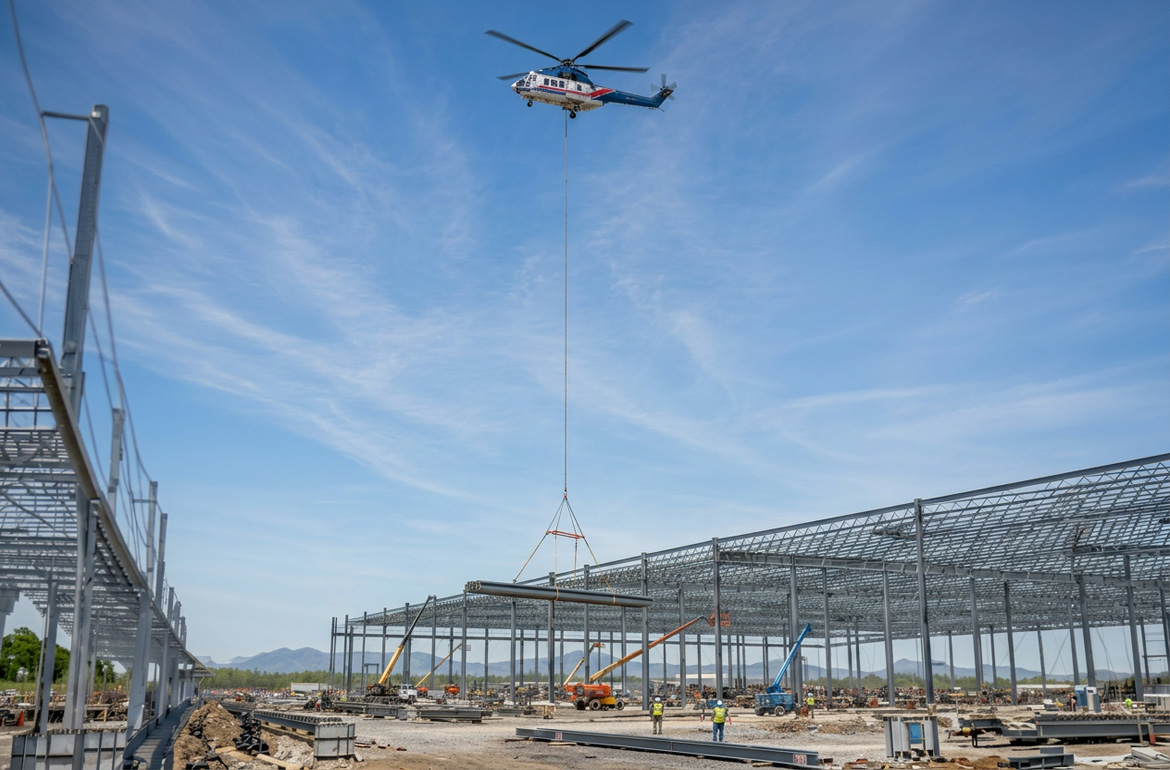
Port, utility, military, and commercial sites can present short structural placements where crane setup conflicts with active ground operations.
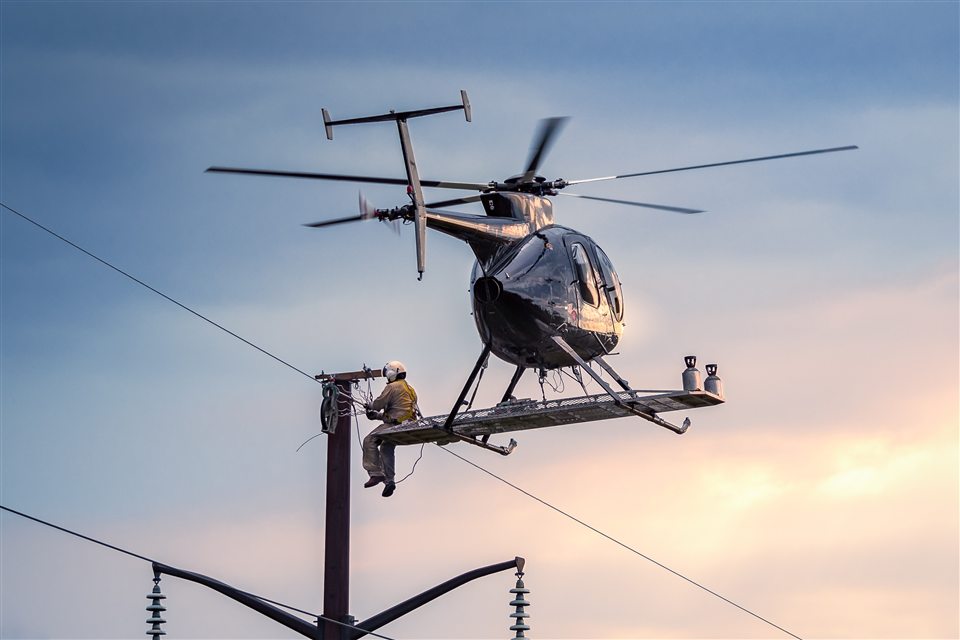
Transmission corridors leave the developed bowl for wooded and mountainous ground. Airspace, slope access, and weather may change along one project.
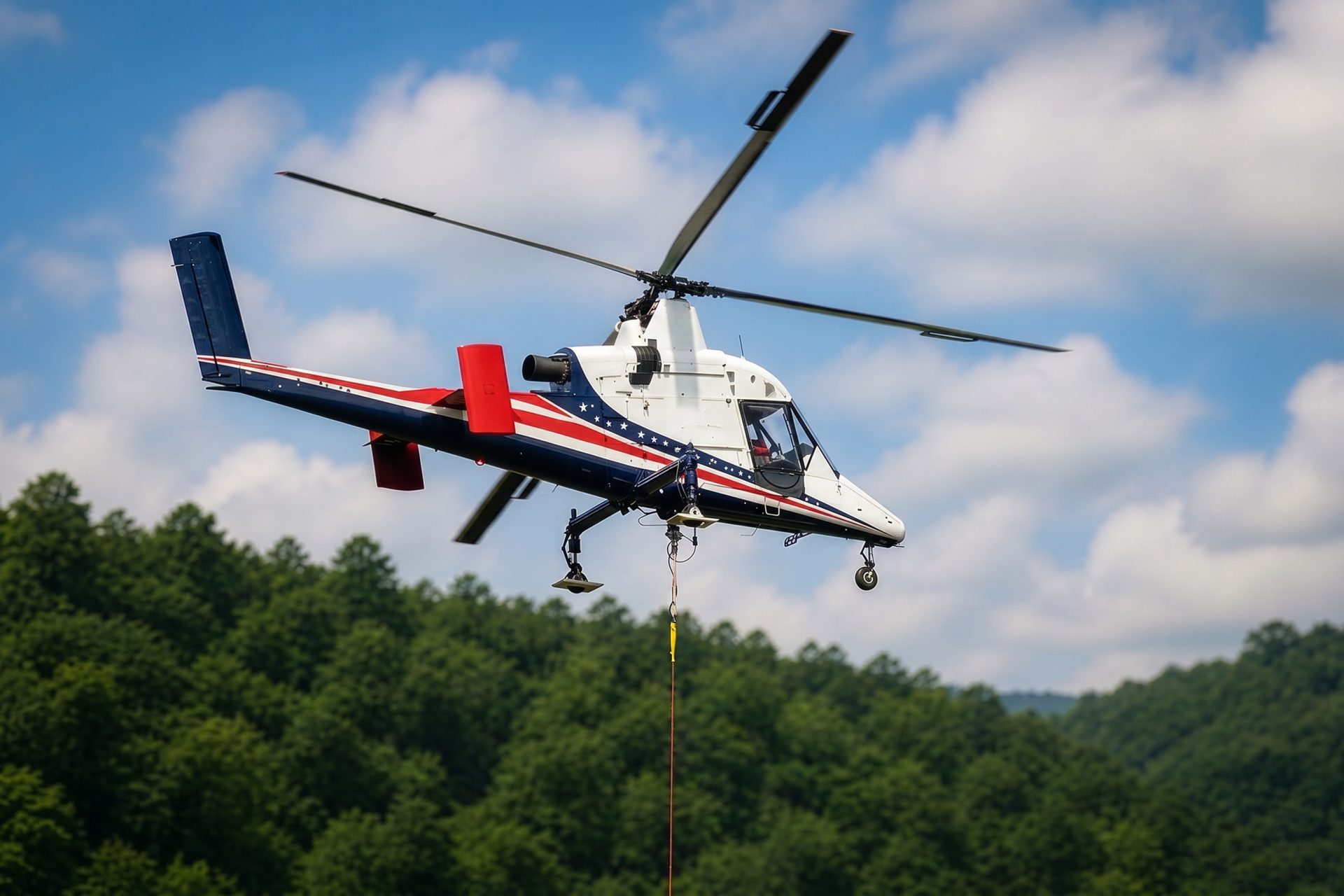
Anchorage is a logistics base for work beyond the road system. Fuel caches, receiving crews, weather alternates, and return payloads need the same attention as the outbound load.
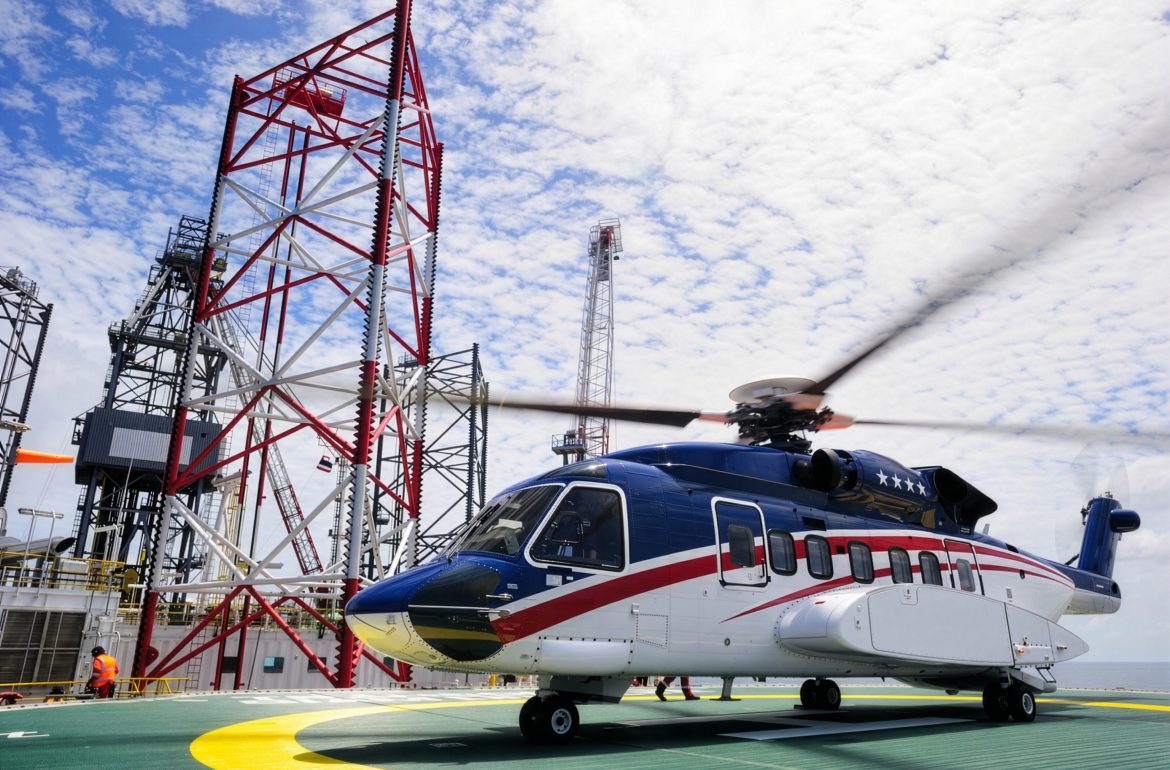
Cook Inlet industrial work adds over-water routing, marine weather, vessel or platform coordination, salt exposure, and limited emergency landing options.
Freight, fuel, utilities, military facilities, healthcare, and institutional construction shape the Anchorage lift profile. The Don Young Port of Alaska reports 5.5 million tons of fuel and freight handled in 2025 and more than 125 acres of cargo-handling yard. Port cranes, pipelines, rail movements, security screening, vessel schedules, and waterfront wind make industrial work here a coordination problem before it becomes a hook-weight problem.
Rooftop mechanical work in the urban core differs sharply from transmission, communications, or remote freight work beyond the bowl. The useful comparison includes staging access, public exposure, road closure duration, aircraft ferry and fuel support, and whether a conventional crane can complete the work with less disruption.