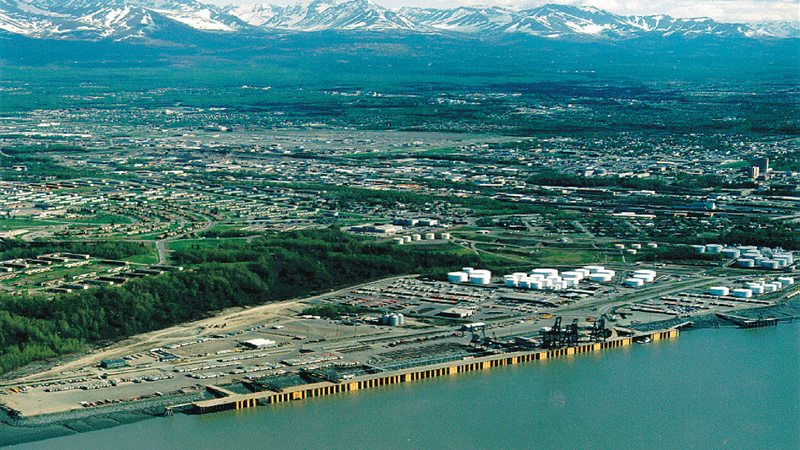
Anchorage
Alaska’s only Class C airspace sits beside military, cargo, seaplane, port, and urban traffic in one narrow coastal bowl.
State field guide
Alaska does not offer one repeatable lift environment. Coastal mountains, Interior cold, island communities, military airspace, seasonal roads, and long distances can change the aircraft, fuel plan, weather window, and ground support before load weight is considered.
The Census Bureau recognizes only two metropolitan statistical areas in Alaska. These five guides therefore use the state’s five largest Census-defined places by the July 1, 2025 Vintage 2025 population estimates: Anchorage, Juneau, Fairbanks, Wasilla, and Sitka.
Alaska’s only Class C airspace sits beside military, cargo, seaplane, port, and urban traffic in one narrow coastal bowl.
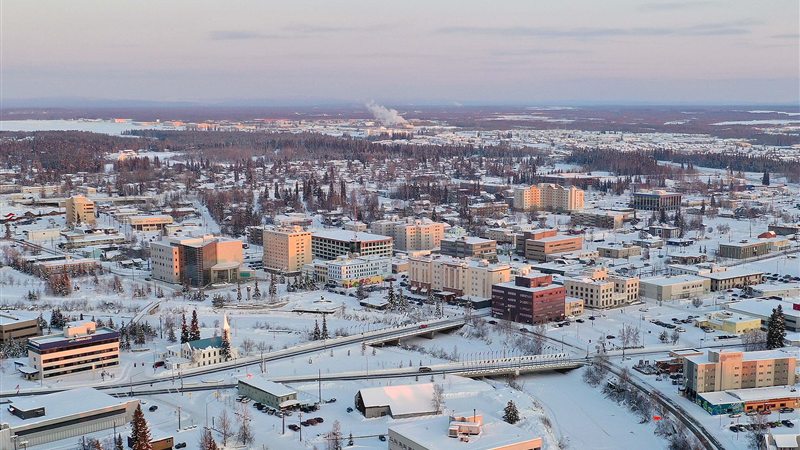
Class D and TRSA traffic, military operating areas, extreme cold, and Interior distances make timing and logistics inseparable.
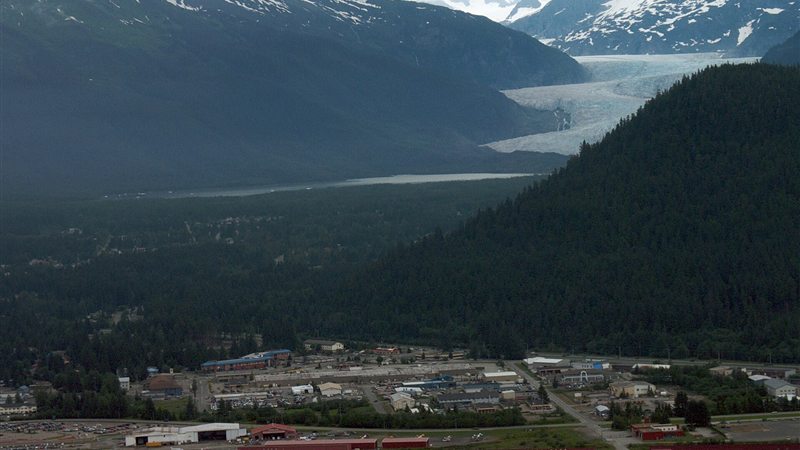
Part-time Class D airspace, steep terrain, marine-only freight access, and fast local wind changes compress the planning margin.
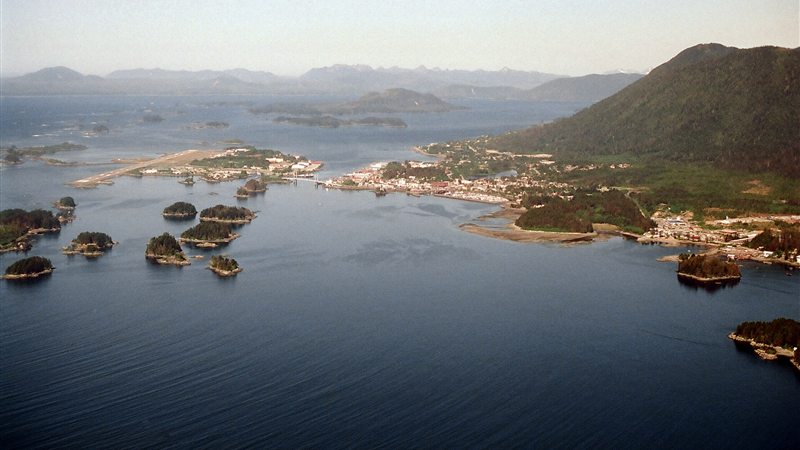
High terrain in every quadrant, Class E airport operations, open water, and a short road system make access the central question.
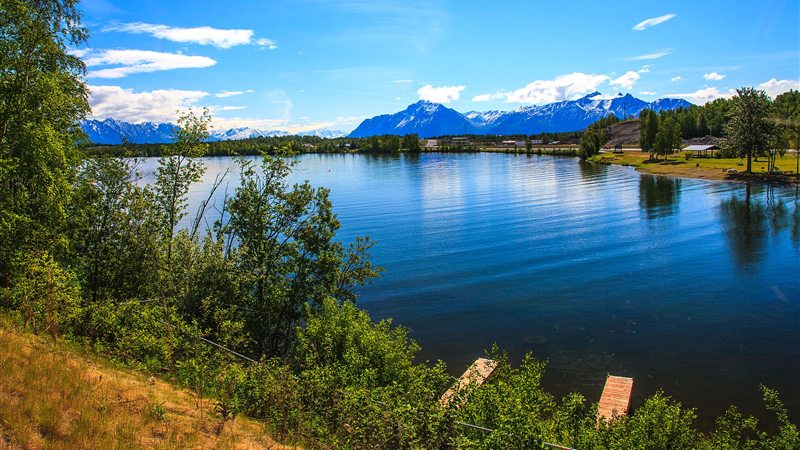
A non-towered airport, numerous private strips and lakes, fast growth, and mountain weather put traffic awareness and staging access first.
From the technical library