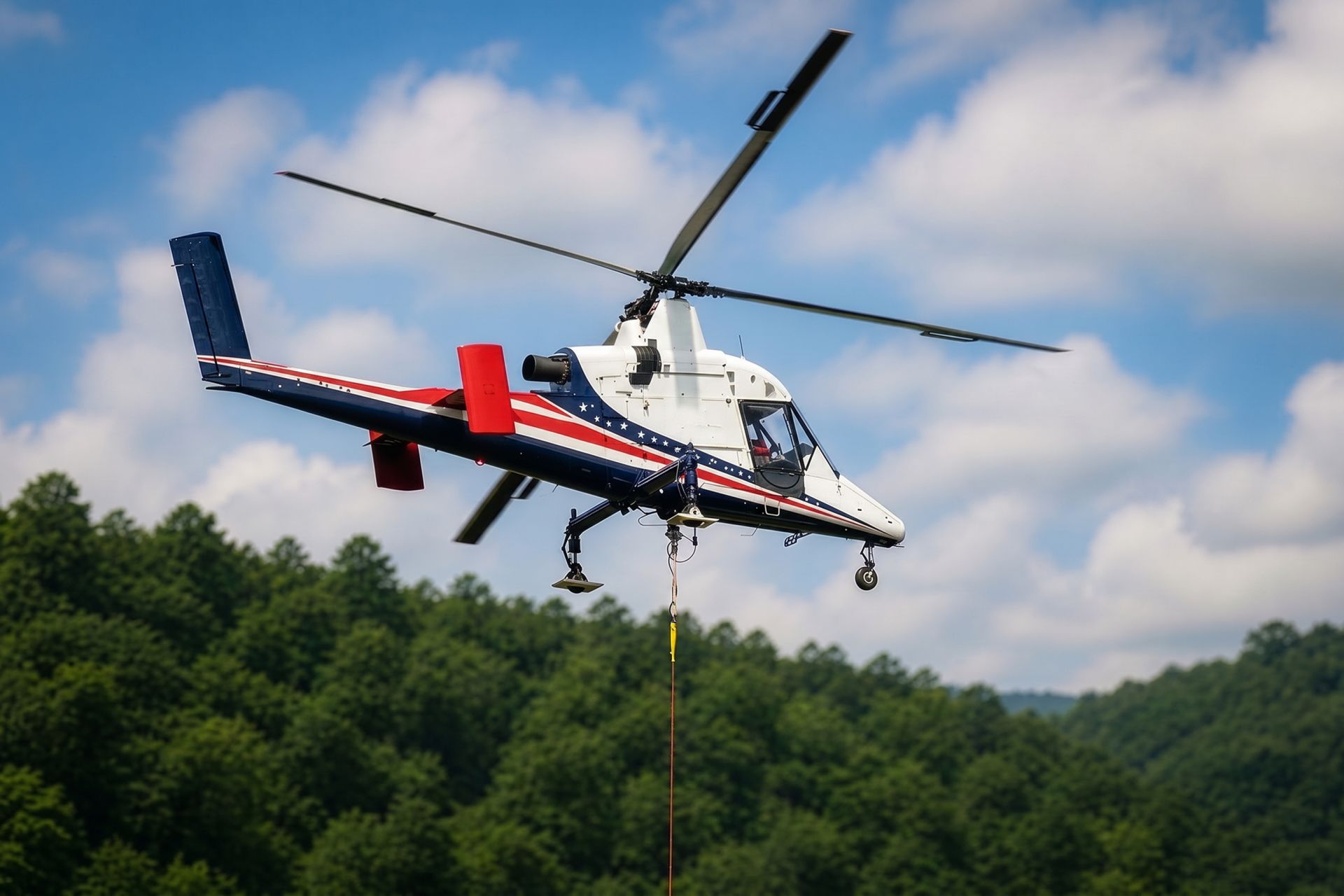
Mining Operation Support
Interior exploration and mine support can involve drill components, pumps, camp material, and freight beyond reliable road access.
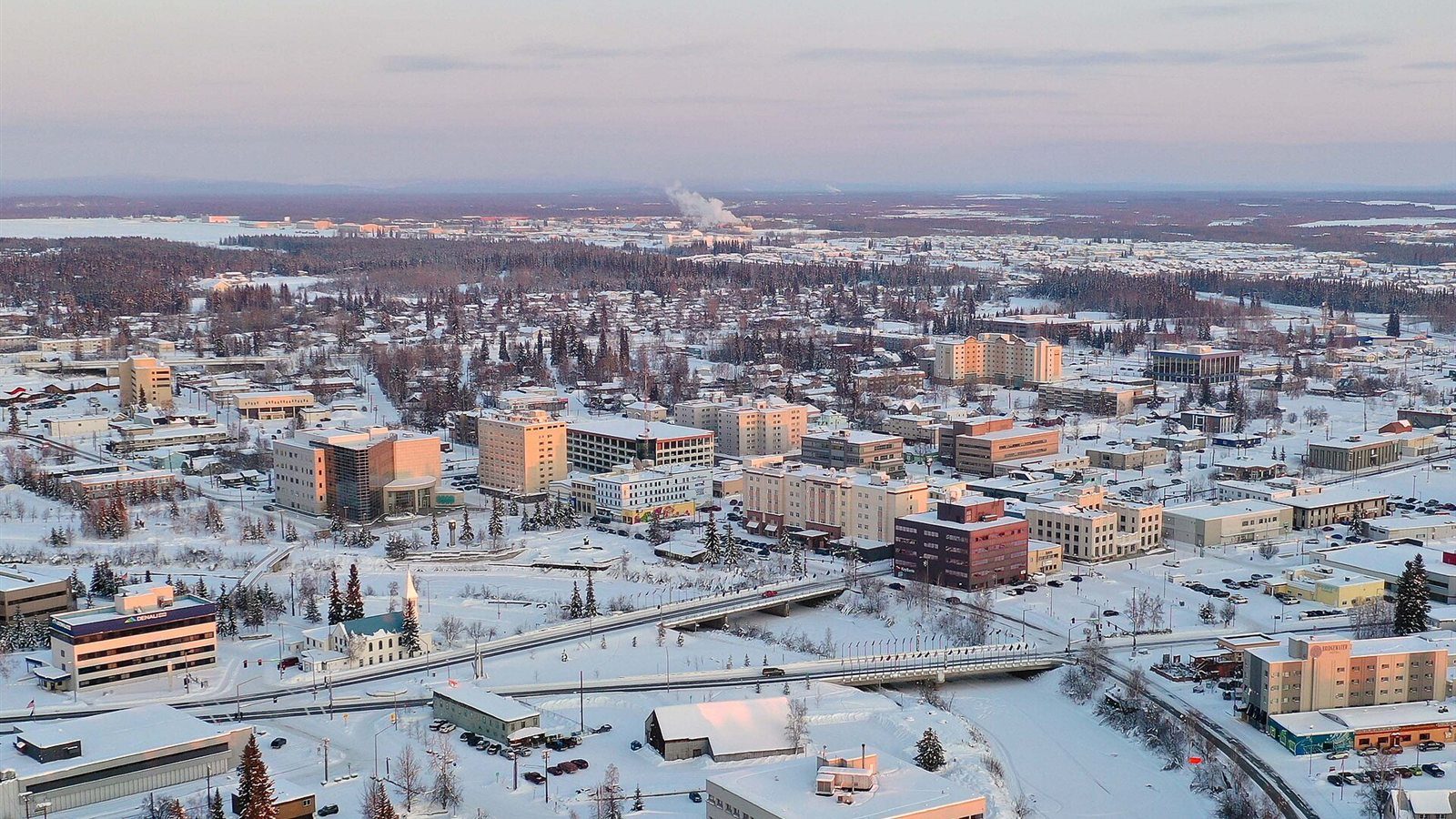
Local lift planning
Class D and TRSA traffic, military operating areas, extreme cold, and Interior distances make timing and logistics inseparable.
The FAA Chart Supplement Alaska lists Fairbanks International as Class D and places it inside a Terminal Radar Service Area. Ladd Army Airfield and Eielson Air Force Base add military traffic, while military operating areas east of Fairbanks use Eielson Range Control. Current charts, NOTAMs, TRSA service, tower status, and range activity all affect a practical external-load route.
Fairbanks-area ground conditions can include permafrost, ground ice, frost heave, thaw settlement, loess, and alluvial materials. The Alaska Division of Geological & Geophysical Surveys Fairbanks permafrost guidebook makes clear that bearing capacity and surface disturbance are site-specific engineering questions. A helicopter may remove a temporary-road problem while creating a stricter staging, fuel, communications, and receiving-site plan.
The Chena River and airport waterlane put summer floatplane activity and migratory birds into the local picture. The FAA record also notes snow-removal equipment from October 1 through May 15 and identifies Fairbanks International as a cold-temperature airport. For remote work, the helicopter lift intake checklist should capture staging elevation, fuel location, travel time, crew shelter, communications, and the return plan before aircraft selection.
Interior winter conditions can stop work through more than low temperature. The National Weather Service Fairbanks climate archive tracks cold, snowfall, rainfall, and seasonal records. Ice fog, blowing snow, limited daylight, and cold-soaked equipment can constrain visibility and ground handling. Operators apply cold-temperature procedures and aircraft limitations to the actual forecast and field elevation.
Summer creates a different set of limits. The Fairbanks North Star Borough hazard mitigation program treats wildfire, flooding, ground failure, severe weather, and permafrost degradation as infrastructure risks. Smoke can reduce visibility across a long route, while thawing or wet ground can remove a surveyed staging area from consideration.
Street or utility work may fall under the city, borough, or state depending on the road owner. The Fairbanks North Star Borough right-of-way application requires a site map and excavation cross-section. Work in the traveled way also needs a traffic-control plan signed by a certified Worksite Traffic Supervisor. That ground approval remains separate from FAA coordination and the operator’s external-load plan.
Interior exploration and mine support can involve drill components, pumps, camp material, and freight beyond reliable road access.
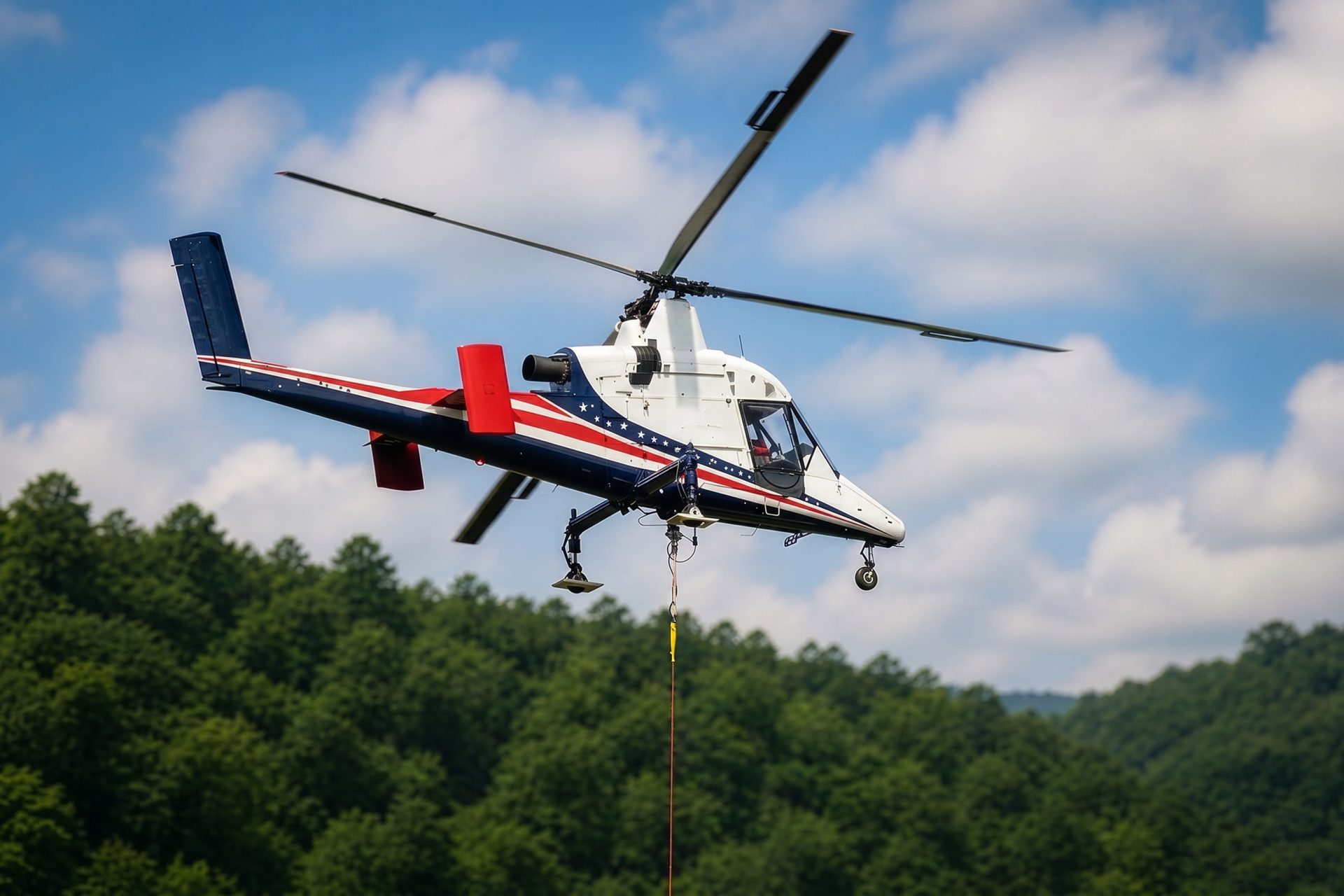
Long distances make fuel, communications, weather alternates, receiving crews, and backhaul part of the lift design.
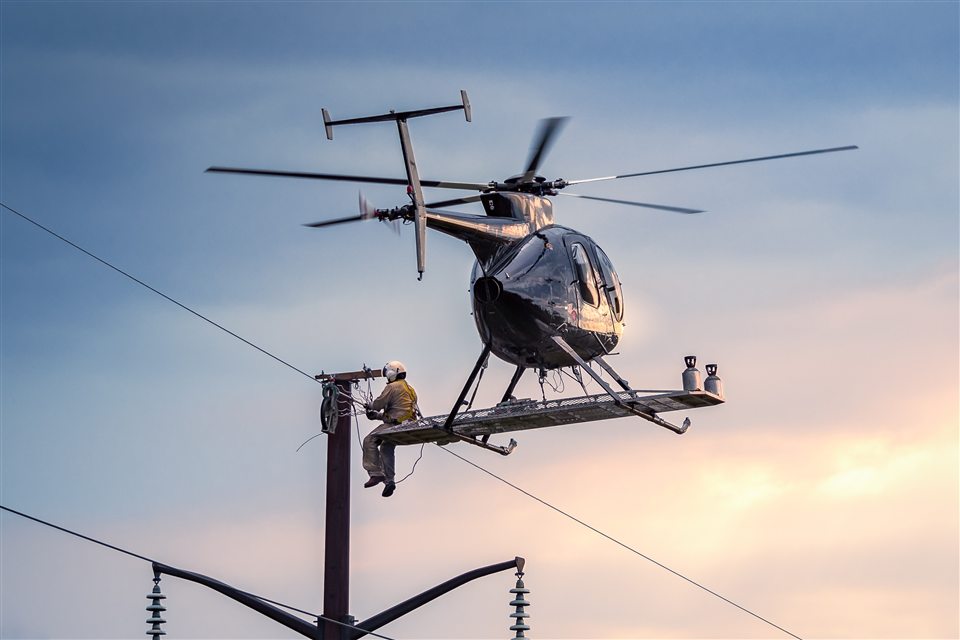
Transmission and distribution work crosses forest, river, and permafrost terrain where temporary access can carry a large restoration cost.
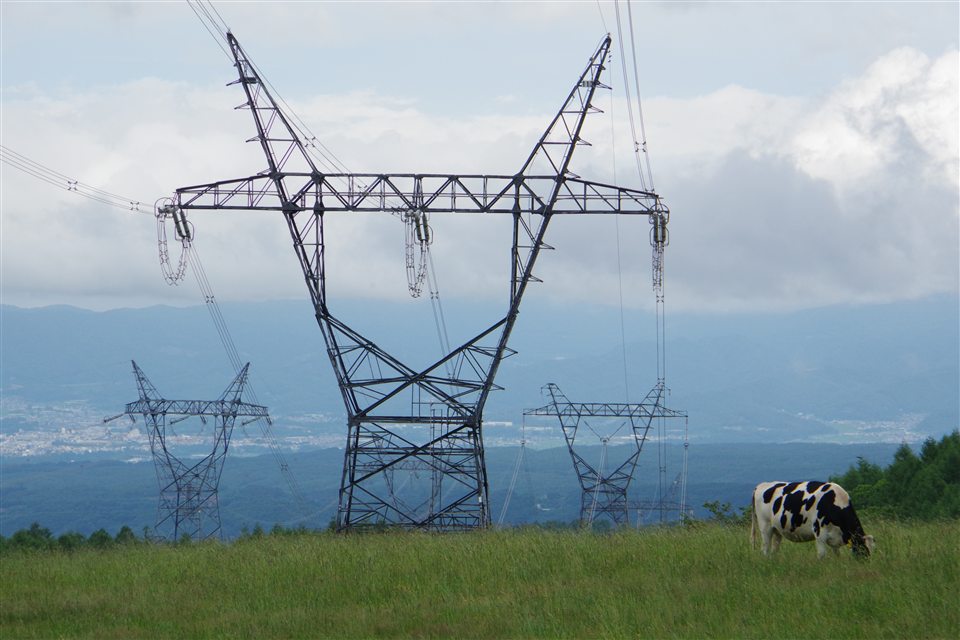
Communication and monitoring sites outside the urban core can trade road-building for aerial staging, subject to military airspace and weather.
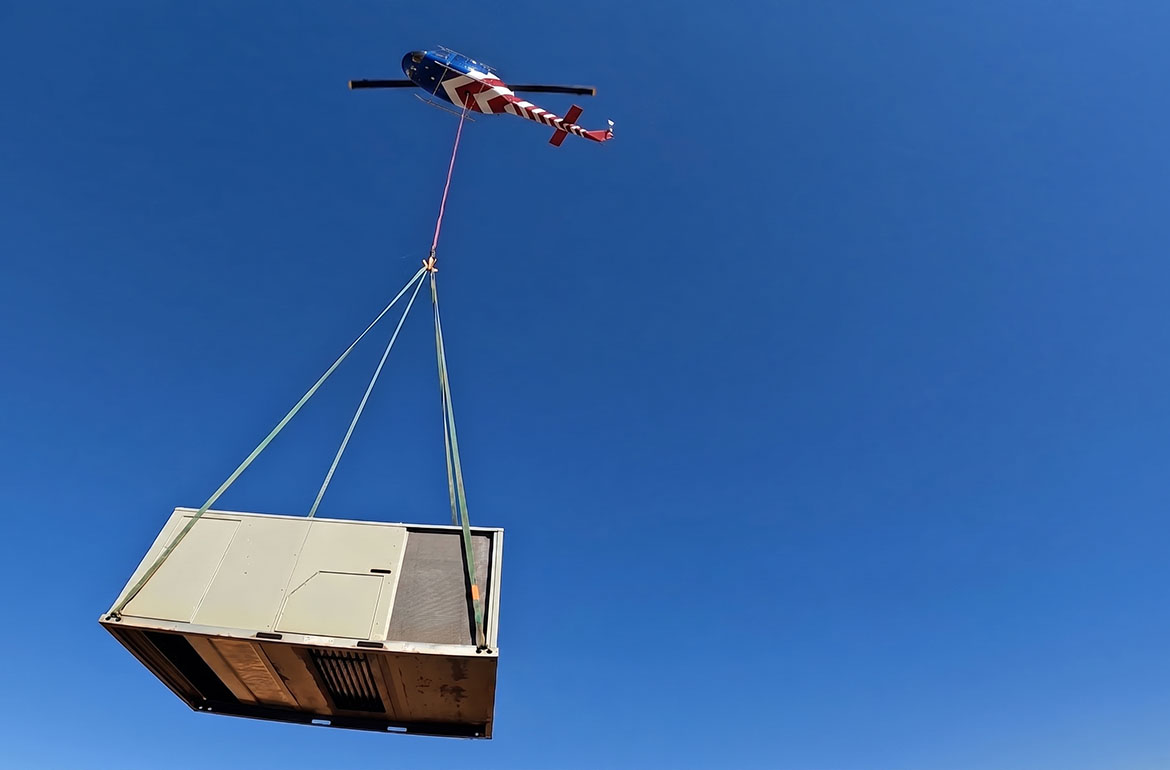
Institutional, military, and commercial roofs still face ordinary street, pedestrian, shutdown, and emergency-access constraints inside the city.
Fairbanks supports mining, military installations, utilities, transportation, government, research, tourism, and construction across the Interior. The Fairbanks North Star Borough 2022-2027 economic strategy identifies mining, military, university, government, transportation, and visitor activity across the Interior. Those sectors create very different lift sites, from an urban roof to a remote drill program.
Mining and utility work can involve long mobilizations and short placement windows. The full plan has to account for road condition, thawing ground, aircraft fuel and maintenance support, wildfire restrictions, remote communications, and the ability to secure the load if the weather changes.