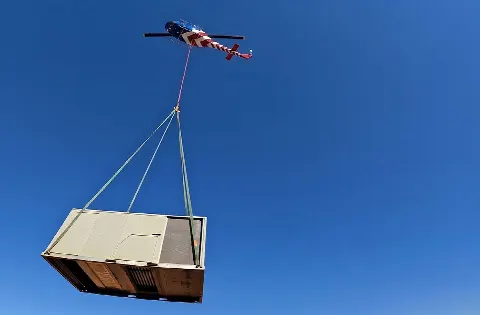
HVAC & Rooftop Units
Warehouses and commercial roofs near active freight routes can make ground staging or long crane occupation the controlling issue.
Local lift planning
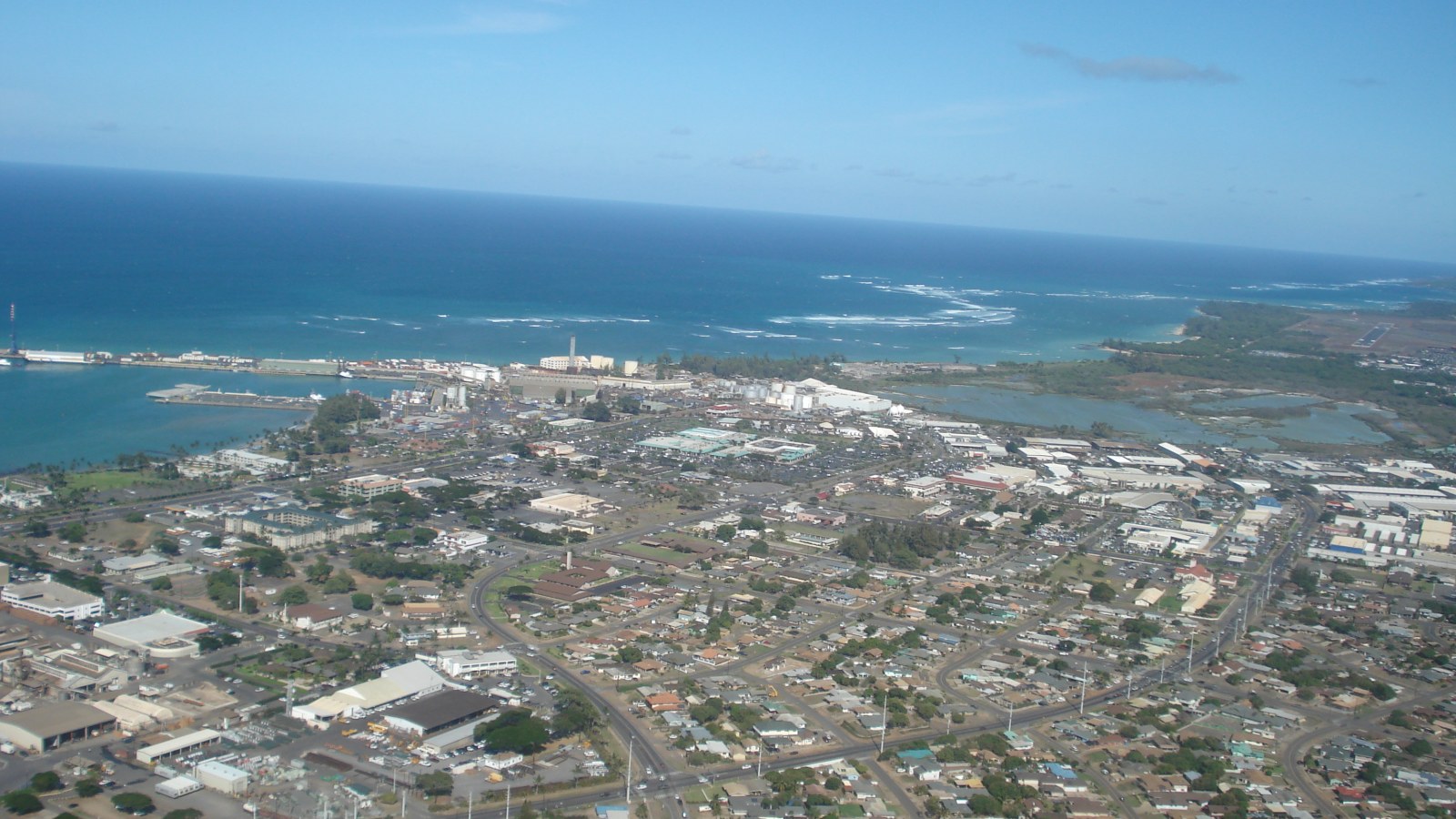
An active airport, Maui’s only commercial harbor, and mountain-accelerated trade winds join at one freight district.
The Kahului-Wailuku urban area had 57,905 residents in the 2020 Census urban-area table, third among Hawaii’s urban areas. This guide uses Kahului as the representative city while covering the connected central-Maui freight and access environment.
Kahului Airport has two intersecting runways. The current FAA PHOG airport entry identifies a helicopter operating area east of Runway 02 and a 125-foot-square H1 helipad. Those facilities do not imply unrestricted staging. Airport permission, current traffic, and the exact operating area still control.
The Maui Island Plan infrastructure chapter calls for separation of passenger activity from fuel and heavy cargo at Kahului Harbor. State-highway movement adds another layer: HDOT oversize and overweight permits apply to covered loads. The intake checklist should capture the cargo path before the lift method is compared.
The National Weather Service climate summary describes persistent northeast trade winds and sharp local changes caused by island terrain. Wind at the harbor, airport, pickup point, and release site can differ within one short operation.
The current FAA PHOG entry warns that rising terrain limits one visual approach aid and notes seasonal migratory bird activity below 1,500 feet within five nautical miles. Site coordinates and route altitude matter more than a general Maui label.
An HDOT state-highway permit covers only the roads under that authority. The road owner must be confirmed for every segment from harbor or yard to staging. Exceptionally large loads may require at least three weeks of state review, so the ground route cannot wait until flight week. The permit jurisdiction guide separates that road approval from aviation authority.
Warehouses and commercial roofs near active freight routes can make ground staging or long crane occupation the controlling issue.
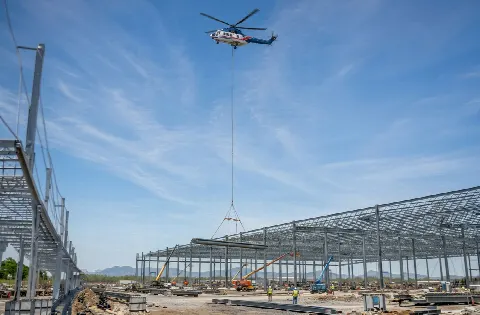
Harbor and industrial facilities may require short component placements where operating yards constrain conventional crane setup.
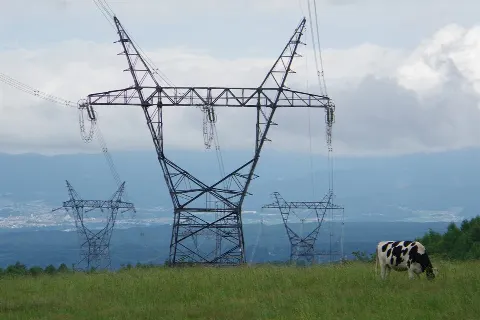
Mountain communication sites place trade-wind exposure, rising terrain, and limited road access into the same route analysis.

Utility work across central Maui must account for terrain-driven wind, public-road staging, and the exact conductor-control plan.

Airport-adjacent or harbor placements require verified permission, a controlled ground area, and current traffic coordination.
An HDOT harbor environmental assessment identifies Kahului Harbor as Maui’s only commercial harbor and ties ocean transportation to construction, major utilities, and agriculture. Cargo arrival, road movement, laydown, and final placement form one chain. A gap at any point can defeat an otherwise workable lift concept.
The Maui Island Plan identifies freight forwarding, warehousing, and industrial uses around Kahului Airport. Rooftop mechanical work or utility construction may warrant an aerial comparison, but exact load data and a ground-crane option belong in the same review. Hilo’s guide covers a wetter freight hub on Hawaii Island.