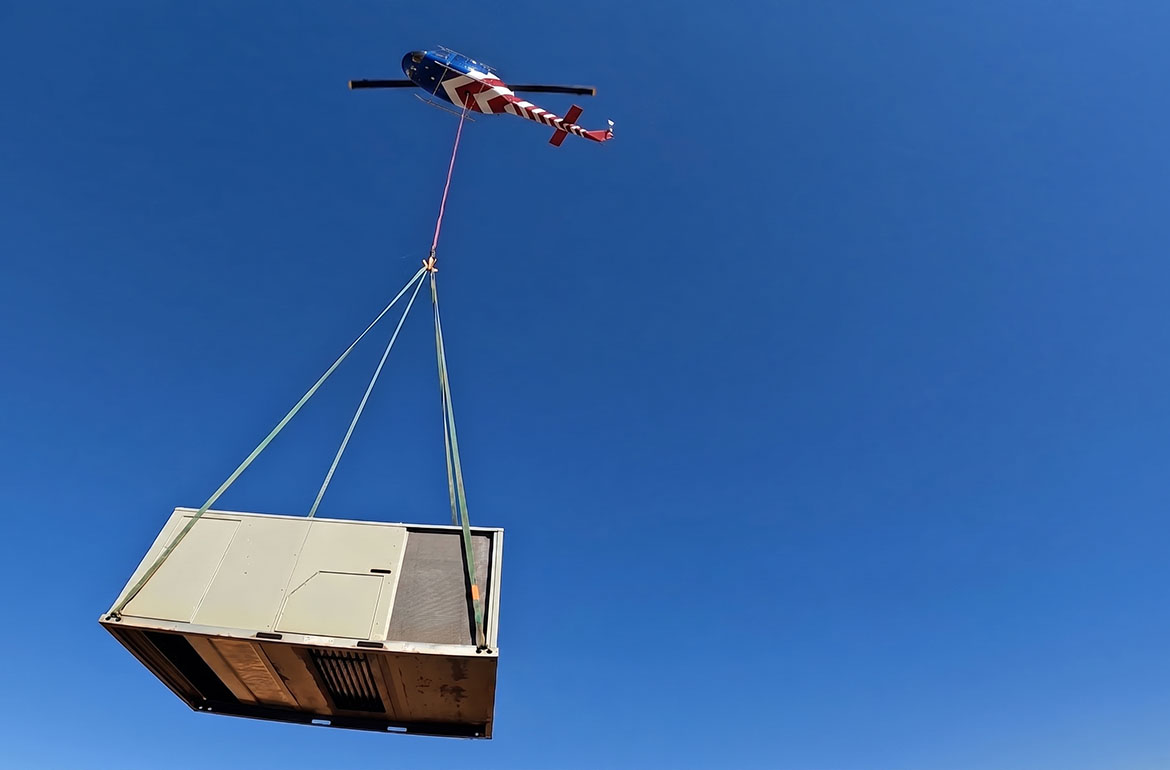
HVAC & Rooftop Units
Campus, laboratory, and manufacturing roofs need verified unit data, occupied-building controls, and a receiving area separated from public ground.
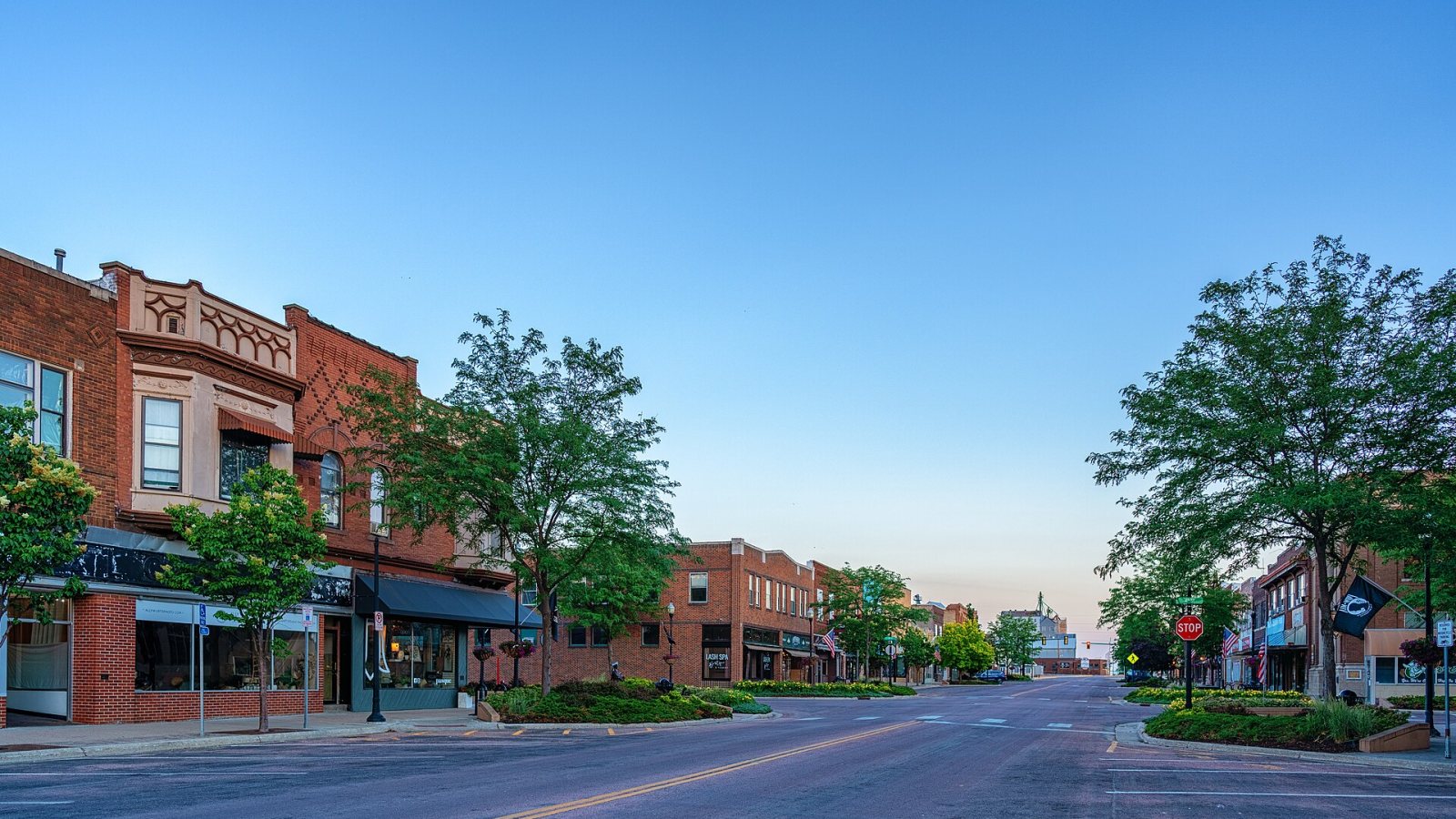
Local lift planning
Brookings has a compact industrial and university footprint. Floodplain, wet soils, and active training traffic can make site conditions more important than distance.
Photo: Tony Webster, CC BY 2.0 via Wikimedia Commons. Cropped, resized, and compressed. License terms.
The Census Bureau Vintage 2025 place table estimates 25,355 residents in Brookings, the fourth-largest incorporated-place estimate in South Dakota. The figure is 8.5 percent above the 2020 estimates base. Population selects the guide and does not measure project demand.
The city’s 2040 Comprehensive Plan says Brookings is nearly surrounded by floodplain and wet soils. It also documents the airport’s 6,000-foot runway. Those facts put drainage, geotechnical conditions, and aviation context into the first site screen.
The current FAA entry for Brookings Regional Airport lists a 6,000-by-100-foot grooved primary runway and a 3,600-by-60-foot crosswind runway. Student training is active, and the airport is not monitored overnight. These are operating-context facts, not route approval. The external-load guide explains the wider review.
The FAA entry reports geese and gulls from April through October and student training activity. Current airport status, charts, NOTAMs, exact coordinates, obstacles, and the proposed suspended-load path remain necessary.
The National Weather Service Sioux Falls event archive documents hail, damaging wind, flash flooding, snow, freezing rain, and blizzards across the forecast area. Brookings entries include a 2015 tornado and straight-line-wind event and a 2016 flood. Historical events do not replace the work-date forecast.
Brookings requires a right-of-way work permit before most excavation in public right-of-way and asks for at least two business days of processing. Licensed-excavator rules also apply outside stated exceptions. Private property and emergency conditions retain separate controls. The site survey checklist keeps those boundaries in the field record.
Campus, laboratory, and manufacturing roofs need verified unit data, occupied-building controls, and a receiving area separated from public ground.
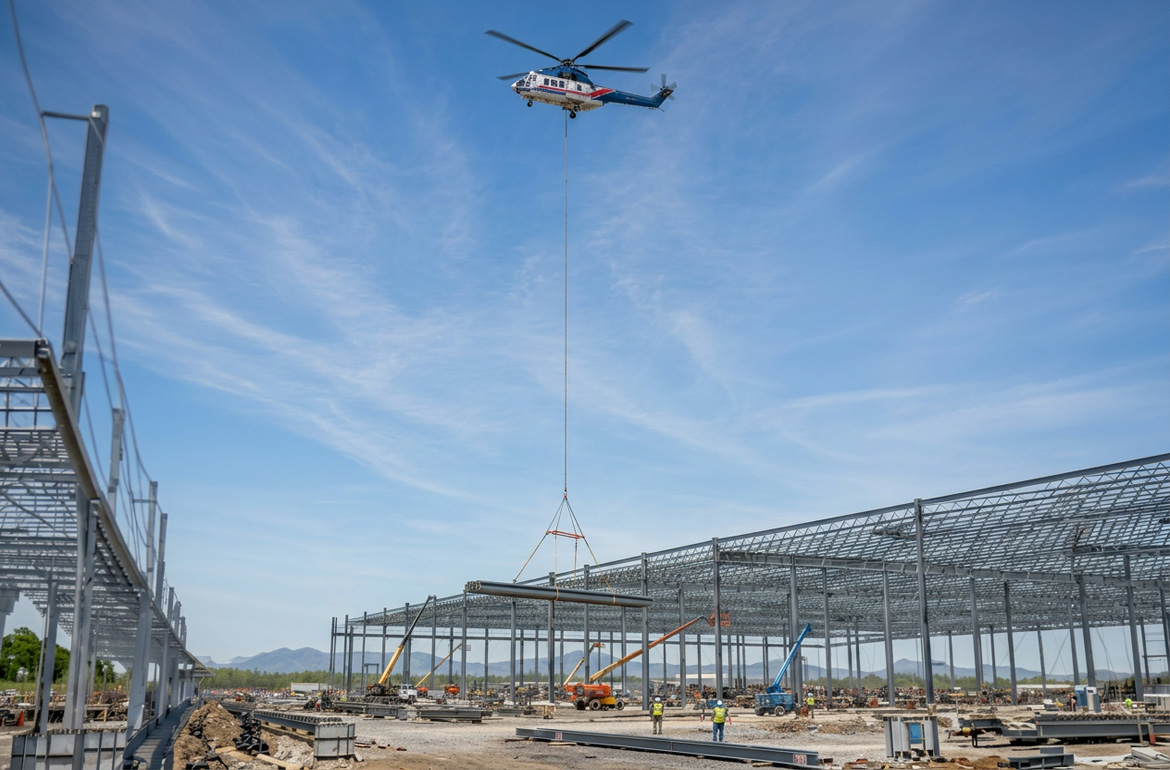
Manufacturing and institutional work needs certified member weights, laydown space, and geotechnical confidence where wet soils affect support equipment.
Student training and seasonal bird activity make current airport coordination important. Exact coordinates and the proposed route remain the basis of the review.
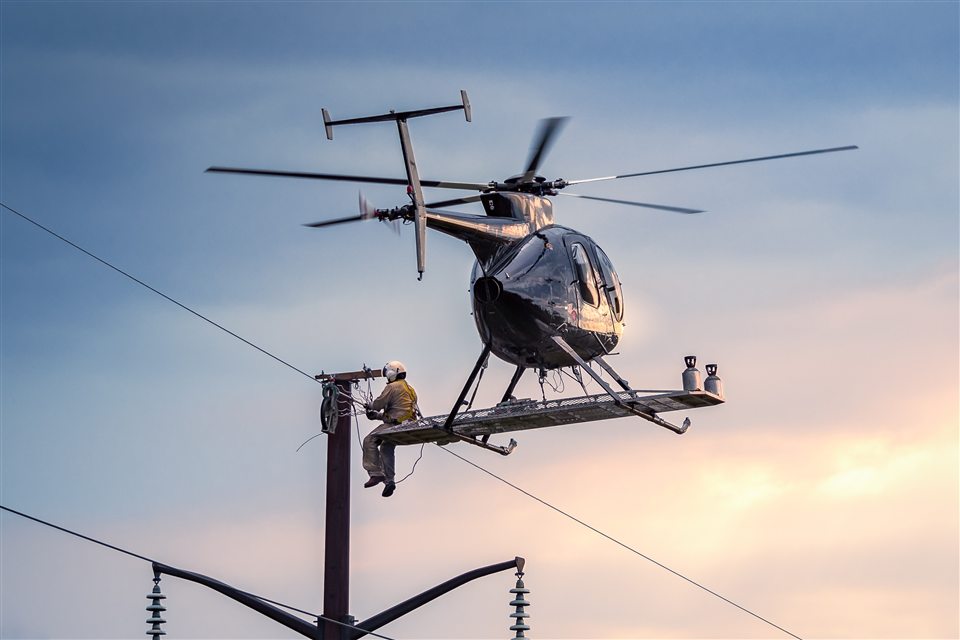
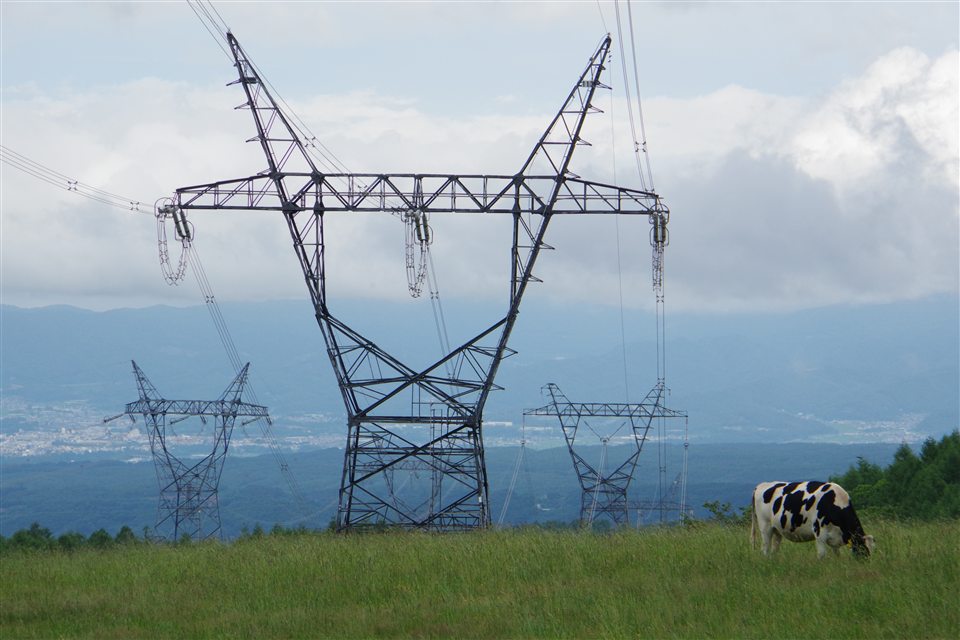
Utility work can reach floodplain, wet ground, and city right-of-way. Confirm drainage, property authority, road occupation, and the full area below the route.
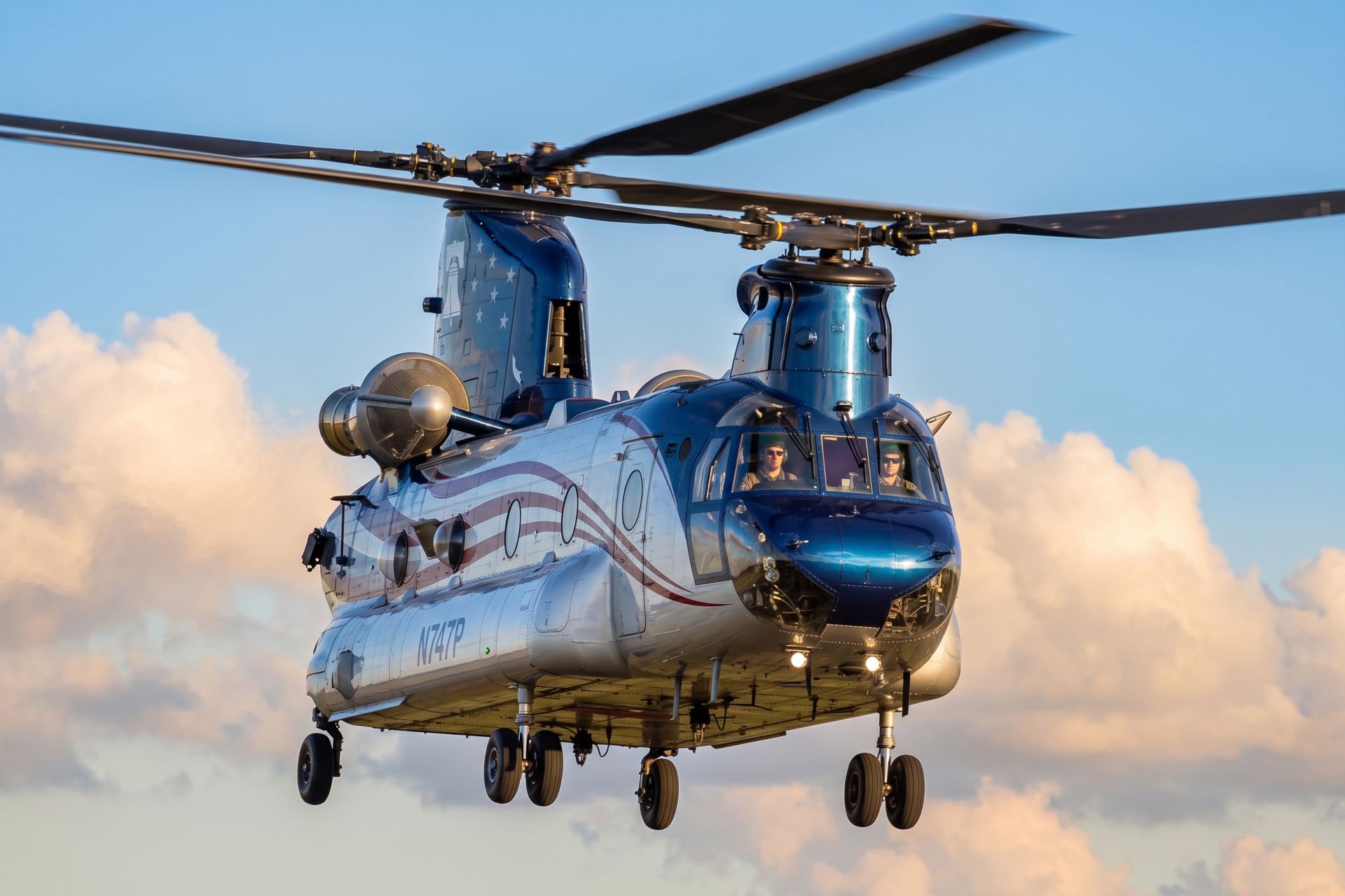
Blizzards and flash flooding can constrain ground access and receiving areas. Current incident conditions and local authority control the response plan.
The Brookings Economic Development Corporation target-industry page identifies advanced manufacturing, food and agriculture, precision agriculture, and animal health as local targets. It names established employers including Daktronics, Bel Brands, and Solventum. This is citywide context, not evidence of a current project.
South Dakota State University and related research activity add laboratories, campus buildings, and specialized equipment to the local setting. Any actual placement still requires certified load data, receiving geometry, shutdown limits, and property authority. The load-weight guide covers the first equipment check.