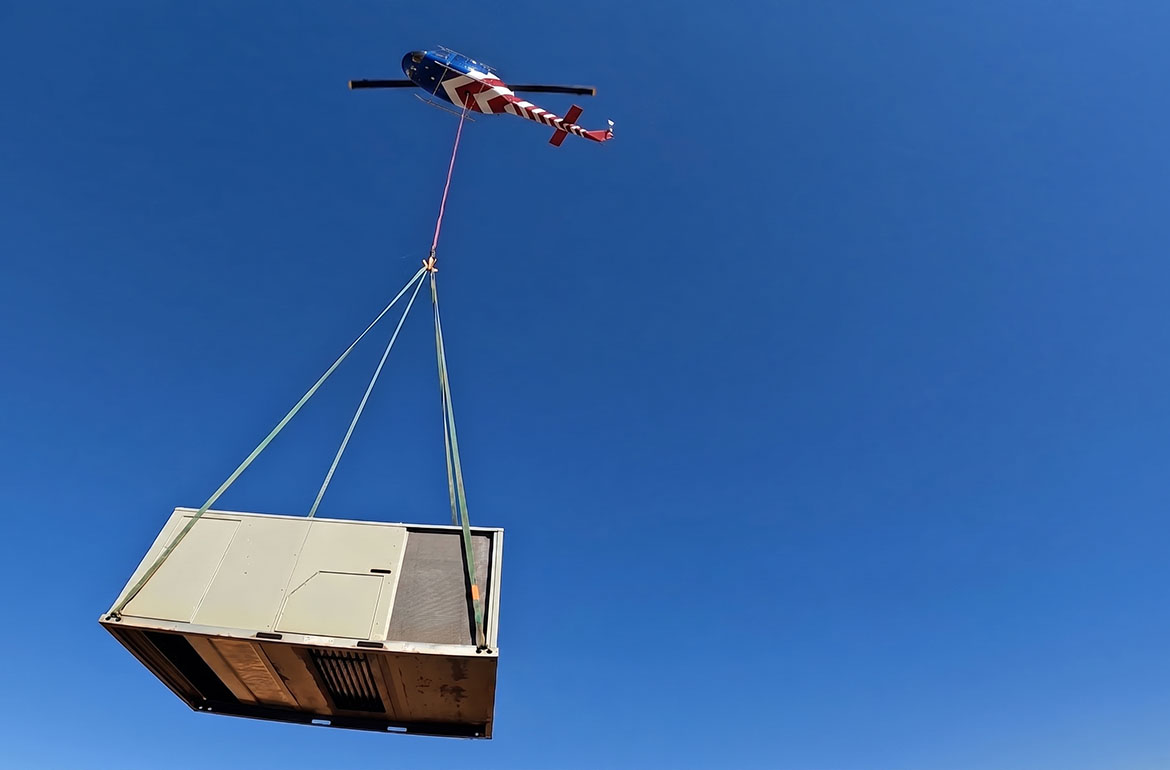
HVAC & Rooftop Units
Education and healthcare are prominent in Provo’s published employment profile. A campus roof plan needs facility authority, occupant protection, and a separate street-control review where support equipment reaches public space.
Local lift planning
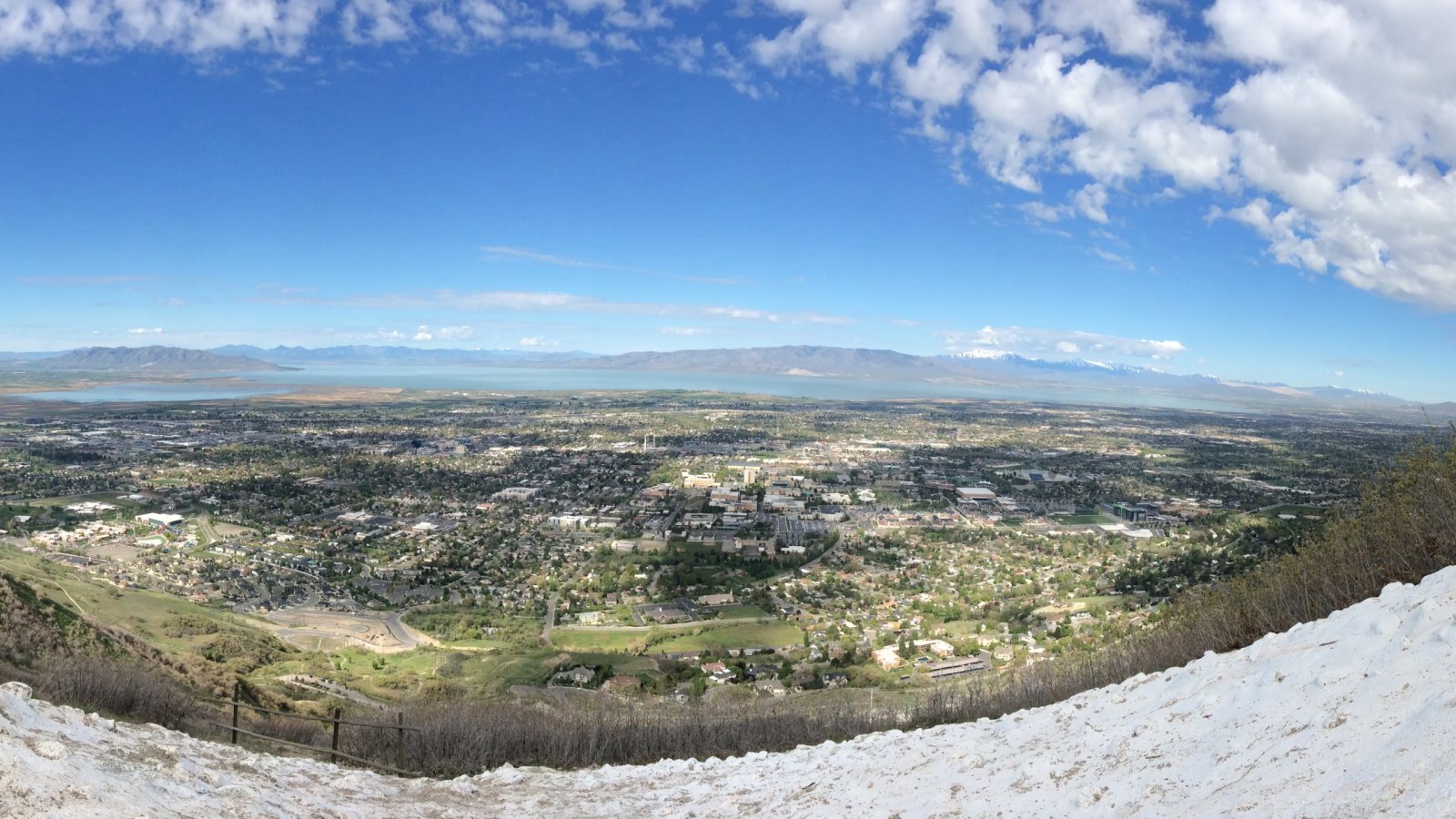
A 4,497-foot airport, heavy training traffic, mountain recreation, and campus streets put performance and route coordination at the front of the plan.
Photo: ShantellSmith, CC BY-SA 4.0 via Wikimedia Commons. Cropped, resized, and compressed; derivative distributed under CC BY-SA 4.0. License terms.
The Census Bureau Vintage 2025 metropolitan-area table estimates 773,426 residents in the Provo-Orem-Lehi MSA on July 1, 2025. That whole-area figure ranks second among Utah metros and selects this guide. It is not Provo’s city population or evidence of lifting demand.
The current FAA Chart Supplement entry for Provo Municipal places KPVU at 4,497 feet and lists two paved runways. Runway 13/31 is 8,603 by 150 feet. Class D service follows published tower hours, with Class E at other times. These facts do not grant airport access or approve an off-airport suspended-load route.
Provo City Engineering processes permits for excavation, trenching, and utility installation. That work can overlap equipment delivery or support positions, so the city permit belongs beside private-property authority and the aviation review.
The FAA Provo special notice identifies extensive flight training near KPVU, paragliding near Point of the Mountain, and helicopters using airport runways and taxiways. None is an automatic exclusion. Current traffic, charts, NOTAMs, and the intended route decide the coordination plan.
The National Weather Service Provo Canyon forecast reports snow amount, snow level, surface wind, winds aloft, and lightning probability. It is a current mountain forecast product, not a climate average. Site elevation and the aircraft-specific performance calculation remain separate inputs.
UDOT oversize and overweight provisions require a permit before an over-limit vehicle or load operates in Utah. The permit must be carried in the vehicle. Aerial placement does not remove the delivery problem before a component reaches staging.
Education and healthcare are prominent in Provo’s published employment profile. A campus roof plan needs facility authority, occupant protection, and a separate street-control review where support equipment reaches public space.
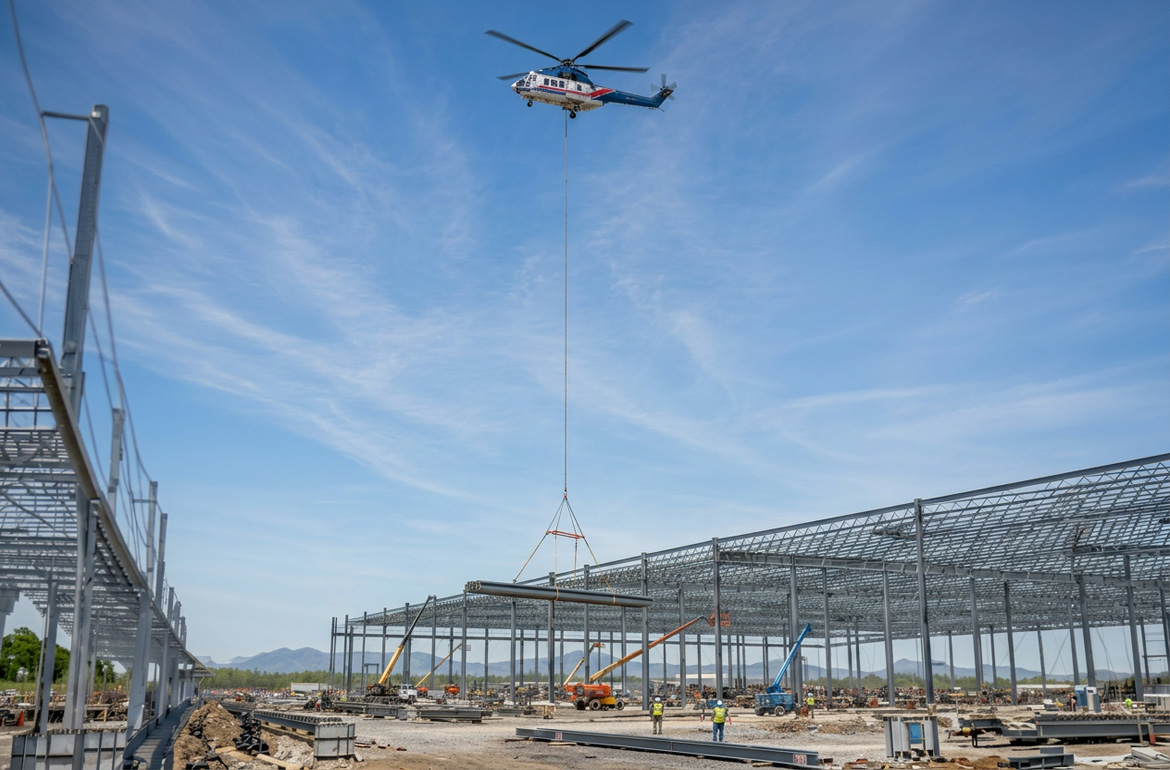
Commercial construction appears in the region’s planning outlook. Structural pieces still need certified weights and a delivery route based on the actual component, vehicle, and receiving geometry.
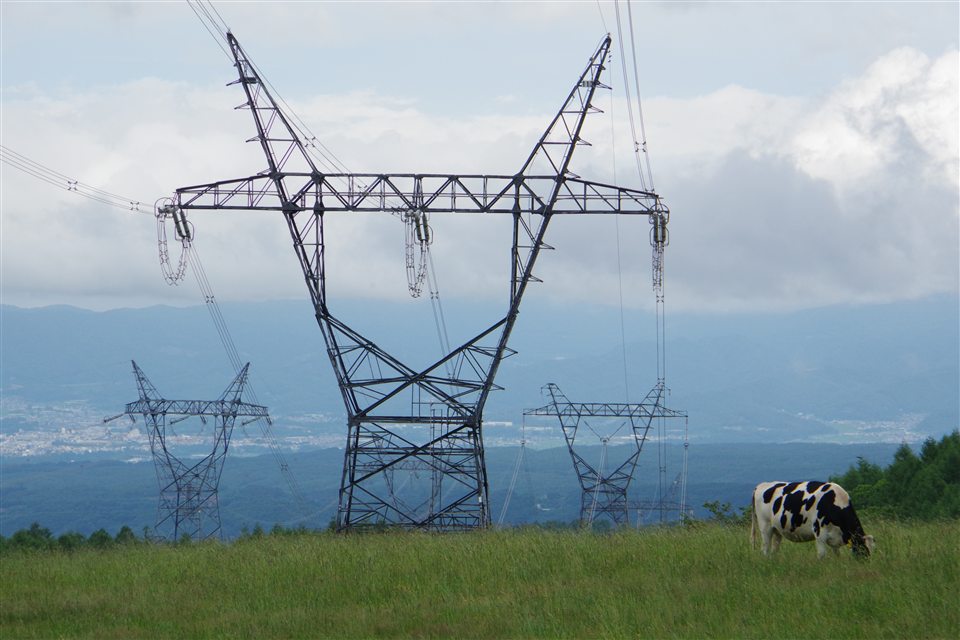
KPVU sits amid training traffic and nearby mountain recreation. Exact coordinates, current charts, obstacles, NOTAMs, and the proposed route belong in one review.
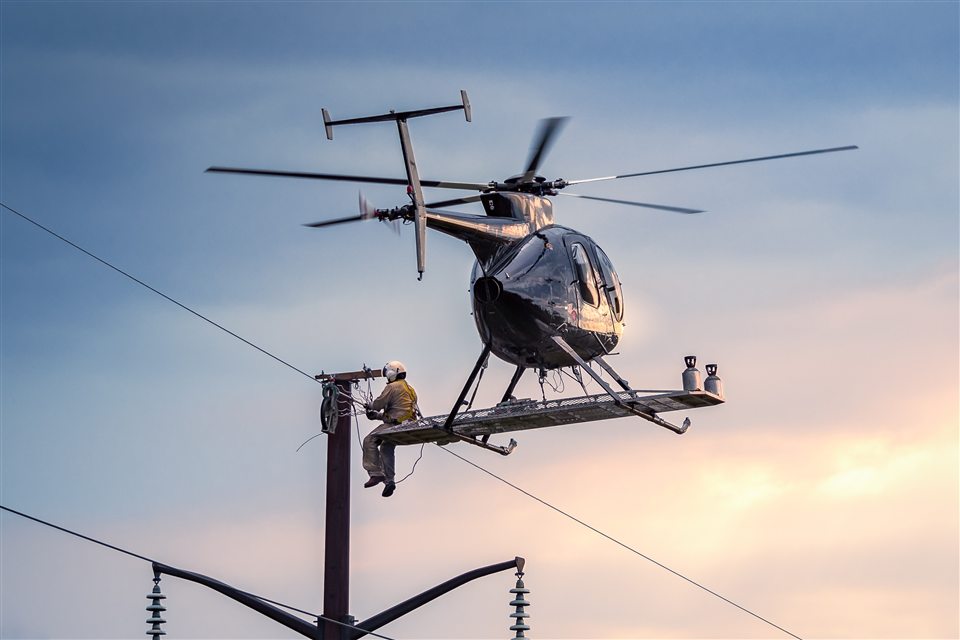
Foothill utility routes can cross steep ground and public streets. Terrain access, traffic control, property authority, and the aviation plan solve different parts of the job.
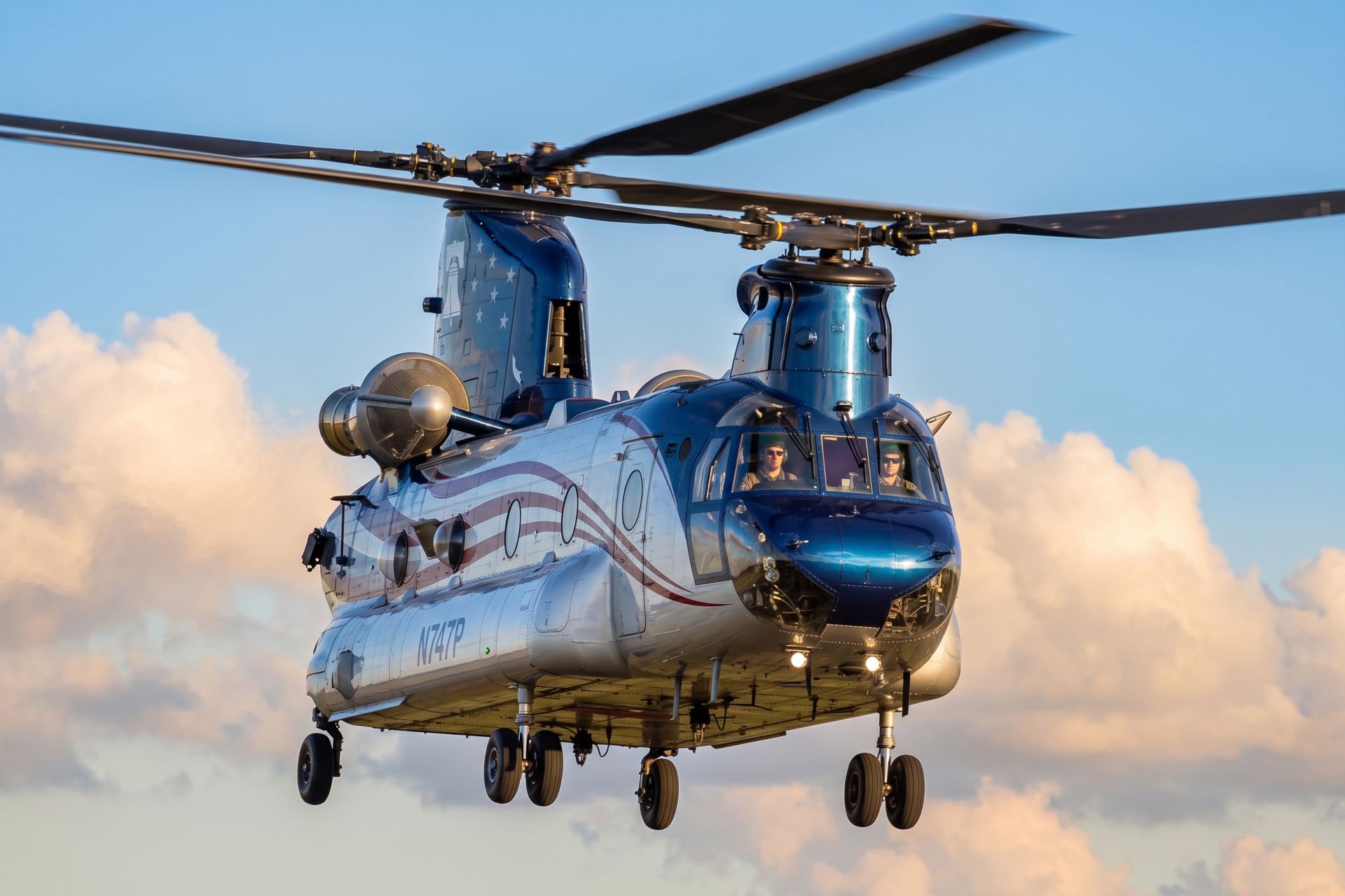
Canyon snow, wind, and lightning can change faster than valley conditions. The current forecast, access roads, incident authority, and a controlled work area govern the response window.
Provo’s 2023 General Plan reports that education and healthcare accounted for 34.6 percent of city employment in 2019. That dated share supports local examples involving campus buildings and rooftop mechanical systems. It is not a current labor-market measure or evidence of a pending lift.
The same plan identifies professional and scientific services as another substantial category and anticipates regional growth in construction and healthcare. Occupied-site coordination, utility access, and commercial construction are useful planning contexts. The site-survey checklist keeps those boundaries specific to the property.