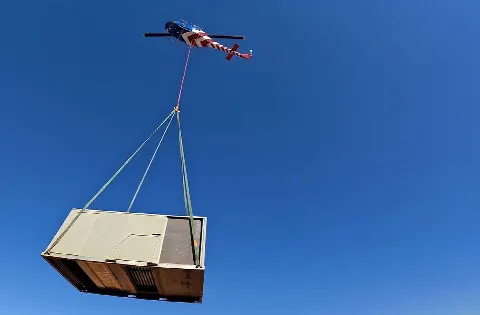
HVAC & Rooftop Units
Institutional campuses are prominent in Burlington’s city plan. Rooftop work still needs building engineering, owner authority, occupant protection, and a separate public-way review.
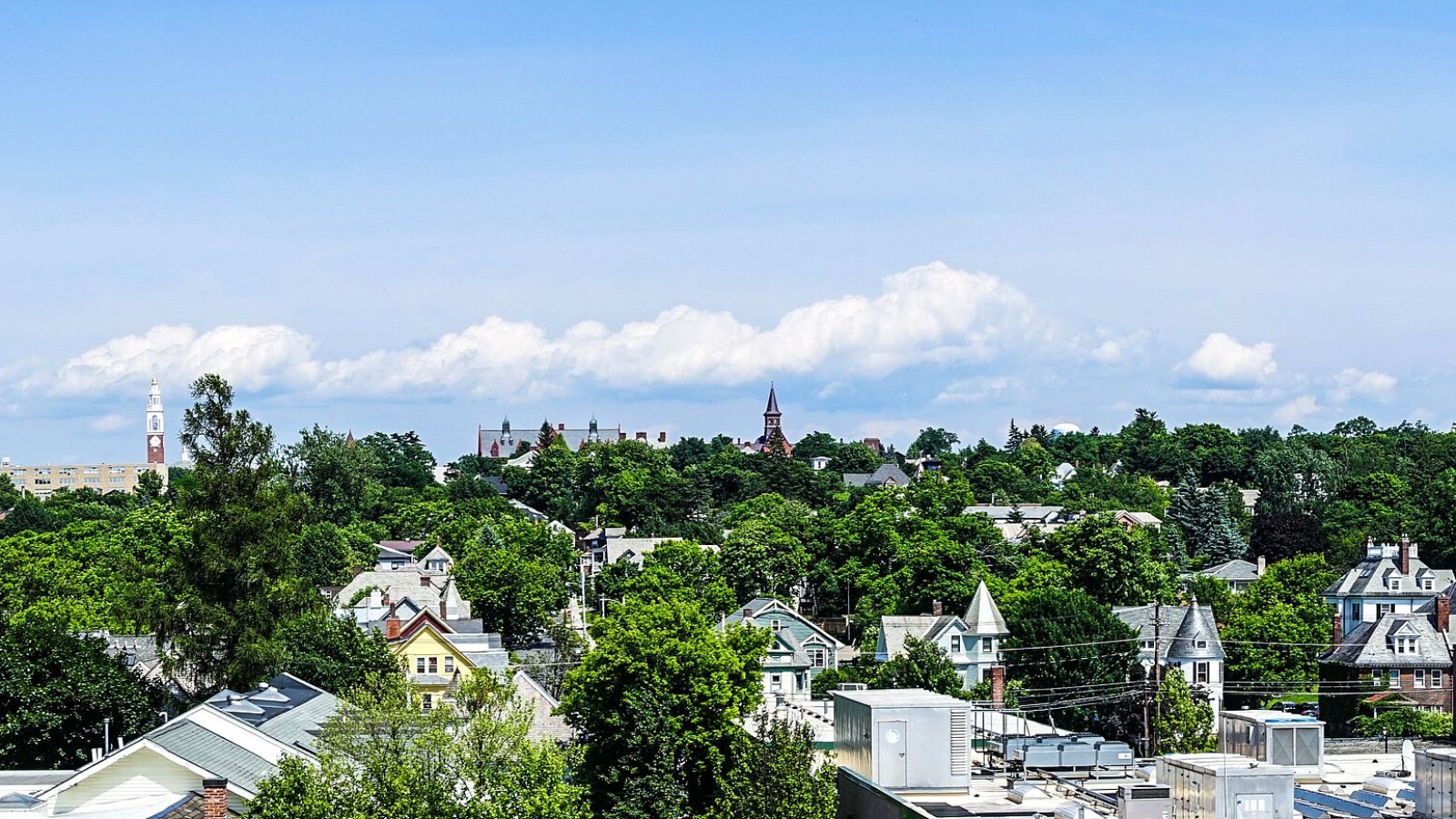
Local lift planning
Class C airspace, lake-influenced wind, institutional campuses, and controlled city streets put aviation and ground permissions on parallel tracks.
Photo: Michelle Maria, CC BY 3.0 via Wikimedia Commons. Cropped, resized, and compressed. License terms.
The Census Bureau 2020 urban-area list records 118,032 residents in the Burlington urban area. That whole-area total ranks first in Vermont and selects this guide. Burlington’s planBTV 2050 identifies the University of Vermont, Champlain College, and UVM Medical Center as local anchors. The population figure is not the city-limit count or evidence of lifting demand.
The current FAA Chart Supplement entry for Patrick Leahy Burlington International places KBTV three miles east of Burlington. Its primary runway is 8,319 by 150 feet, the field is attended continuously, and the entry lists Jet A, 100LL, and ASOS. This describes regional aviation infrastructure. It does not approve airport access or an off-airport suspended-load route.
Burlington Electric Department’s 2026-27 direction calls for distribution investment, system redundancy, restoration planning, and work on generation and local energy projects. Those programs make utility equipment a concrete local planning example. The transmission-line guide covers the wider operating record.
The FAA supplement places KBTV in Class C airspace during approach-control hours and Class E at other times. It also notes seasonal wildlife, a steam plume that may obscure visibility, and cold-temperature correction at or below minus 9 degrees Celsius. Current charts, NOTAMs, and exact coordinates still control.
A National Weather Service Burlington event review documents uprooted trees in Burlington’s New North End during an August 2022 storm that crossed Lake Champlain. The warning highlighted gusts up to 70 mph. That event is hazard evidence, not a normal wind forecast.
Burlington Public Works permit standards govern typical construction in public right-of-way and address traffic control, working hours, winter shutdown, restoration, and city acceptance. Fix the support footprint before treating a street or sidewalk position as available.
Institutional campuses are prominent in Burlington’s city plan. Rooftop work still needs building engineering, owner authority, occupant protection, and a separate public-way review.
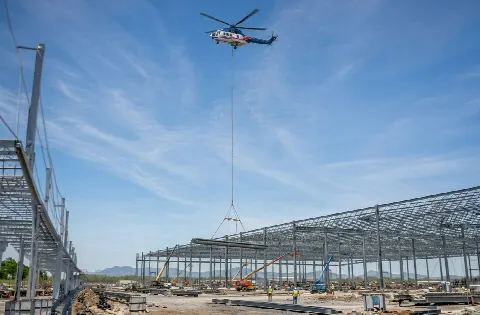
Urban construction can place delivery vehicles and occupied buildings close together. Certified weights and the full component route belong in the comparison.
KBTV operates in Class C airspace during published approach-control hours. Exact coordinates, current charts, obstacles, NOTAMs, and the proposed route need one review.
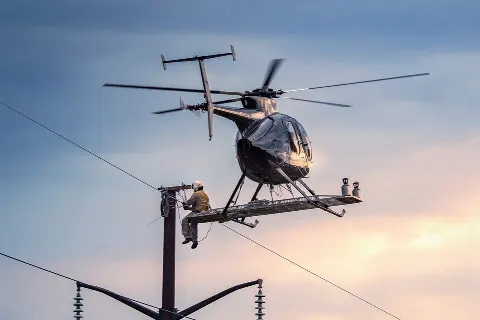
Burlington Electric identifies distribution investment and restoration planning. Utility authority, outage controls, pickup access, and set-point access remain separate inputs.
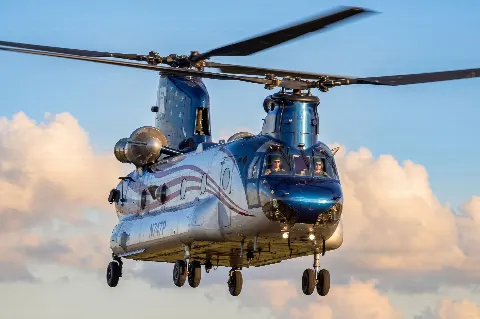
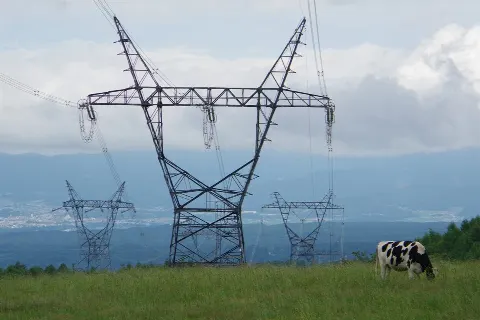
Champlain Valley wind can damage trees and power lines. Current forecasts, road conditions, incident authority, and a controlled work area govern any response window.
planBTV 2050 names UVM, Champlain College, and UVM Medical Center among the city’s anchors. Campus roofs and utility systems are reasonable local examples for HVAC placement, but every building needs engineering, property authority, and occupied-space controls.
Burlington Electric describes distribution investment and restoration planning. Pole, line, and equipment work may present access comparisons, but utility ownership, outage authority, and the specific flight path remain separate decisions. The site-survey checklist keeps those boundaries in one record.