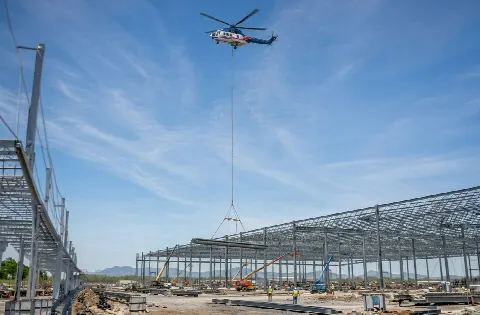
Steel & Infrastructure
Fabricated assemblies require certified weights, controlled receiving geometry, and a delivery plan that clears local and state-road limits.
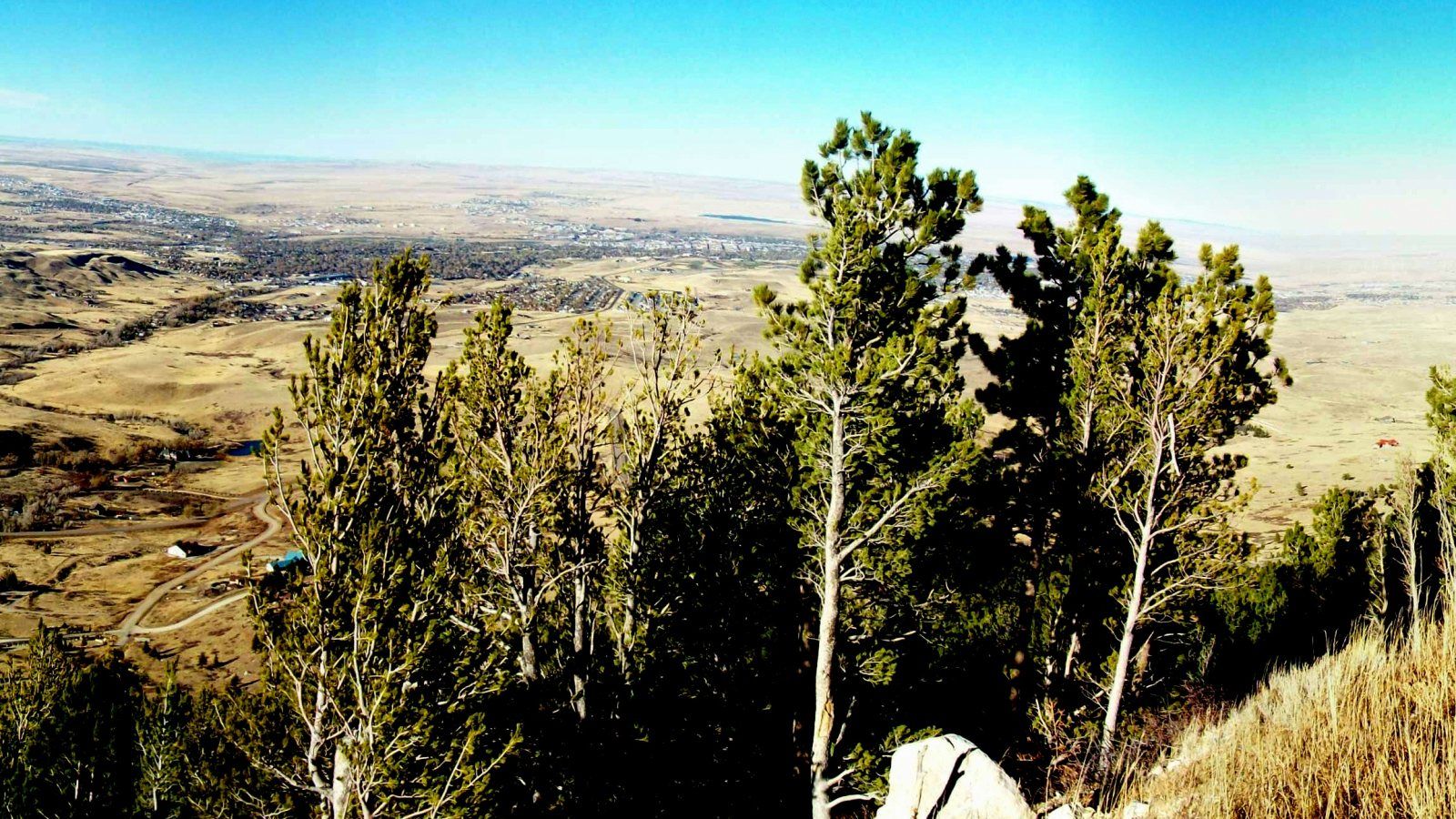
Local lift planning
Energy equipment, fabrication yards, and a snow season that reaches into spring make delivery access as important as the pick itself.
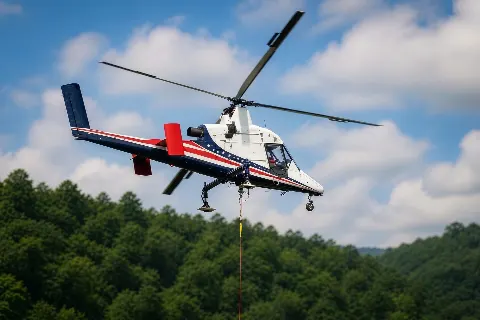
Photo: Milonica, CC BY-SA 3.0 via Wikimedia Commons. Center-cropped from a panorama, resized, and compressed under CC BY-SA 3.0. License terms.
The 2020 Census urban-area list counts 67,751 residents in the Casper urban area, second in Wyoming. That whole-area count selects the guide. It does not predict project volume or define a workable staging parcel.
The FAA diagram for Casper/Natrona County International Airport publishes a 5,344-foot field elevation and two long paved runways, 10,165 by 150 feet and 8,679 by 150 feet. Those details establish regional aviation context. They do not turn the airport into an automatic base for external-load work.
The Wyoming Business Council identifies Casper and Natrona County as a hub for energy, manufacturing, healthcare, and finance. Fabricated assemblies, machinery, and utility equipment are credible local planning examples. The page does not establish any current project.
NWS 1991-2020 normals for the airport station show 71.8 inches of annual snowfall, including normal snowfall of 10.3 inches in March and 10.5 inches in April. Spring cannot be treated as automatically snow-free. Current forecasts and actual ground conditions control.
Casper code requires an excavation permit before specified cutting or excavation in a street or street right-of-way. That rule matters when support work disturbs public ground. It does not mean every helicopter lift requires an excavation permit.
Wyoming Highway Patrol states that loads over legal size or weight limits need permission before highway travel. Ground transport therefore has its own review before equipment reaches the staging area. Local street control and parcel access remain separate.
Fabricated assemblies require certified weights, controlled receiving geometry, and a delivery plan that clears local and state-road limits.
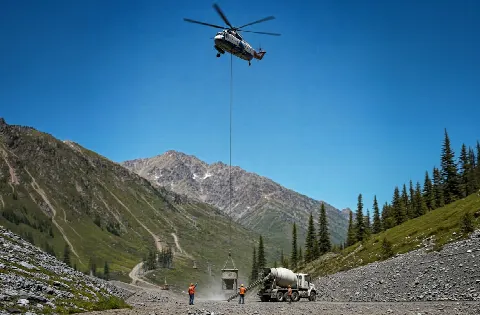
Energy and mineral facilities need operator-controlled work zones, industrial hazard review, and routes separated from active plant traffic.

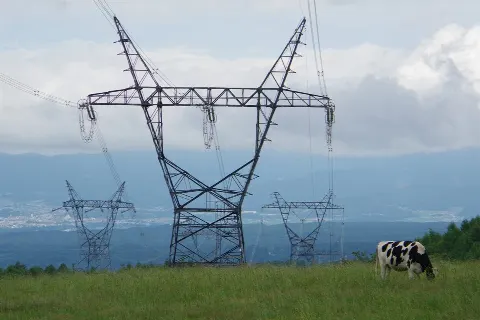
Utility work depends on outage control, energized clearances, access rights, and weather limits matched to the corridor.
Casper Mountain terrain, wind, and winter access make route reconnaissance and a firm weather decision point essential.
Remote freight planning must reconcile component delivery, snow-affected ground access, staging control, and lift-day performance.
Regional economic material identifies energy, manufacturing, and industrial firms around Casper. That supports copy focused on fabricated equipment, processing facilities, and utility infrastructure without implying live demand.
A large component may fit the hook but still fail the road approach. The load verification sheet keeps certified weight and rigging allowance ahead of aircraft matching, while the intake checklist records delivery and staging constraints.