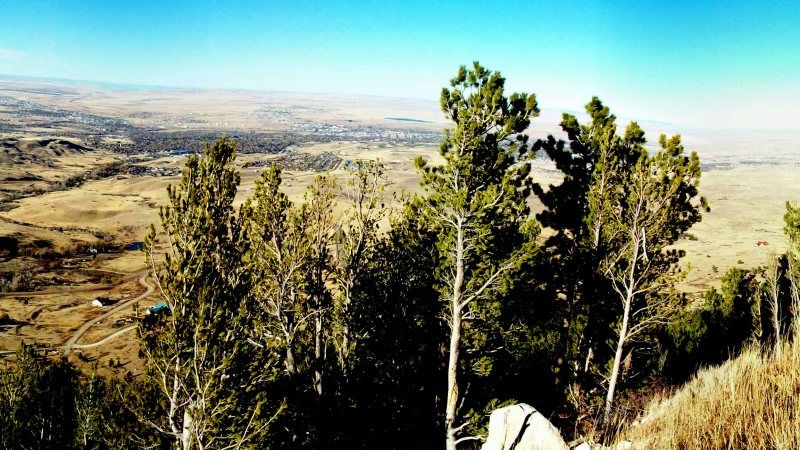
Casper
Energy equipment, fabrication yards, and a snow season that reaches into spring make delivery access as important as the pick itself.
State field guide
The Census Bureau’s July 1, 2025 estimates contain two Wyoming metropolitan statistical areas, Cheyenne and Casper. Because that is fewer than five, this release uses the five largest Wyoming urban areas in the official 2020 Census list.
Cheyenne ranks first at 79,250 residents, followed by Casper at 67,751, Gillette at 34,422, Laramie at 32,261, and Rock Springs at 25,853. These whole-urban-area counts select the guides. They are not current city estimates and do not measure lifting demand.
Energy equipment, fabrication yards, and a snow season that reaches into spring make delivery access as important as the pick itself.
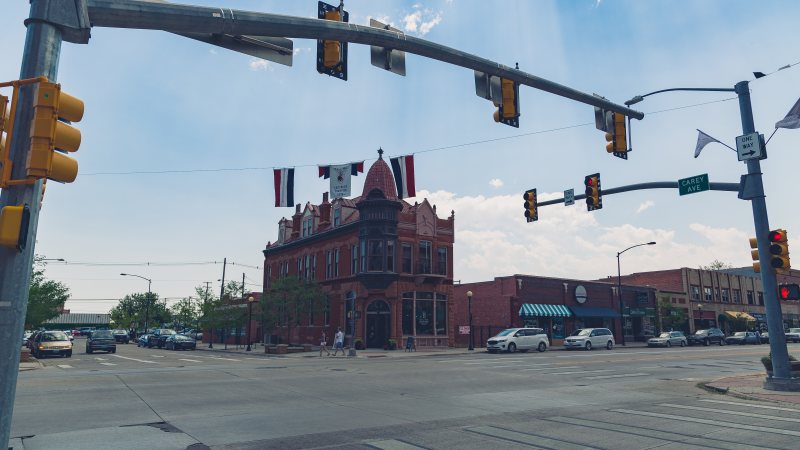
A 6,160-foot airport, exposed wind corridors, and expanding data-center campuses put performance and ground control on the same planning sheet.
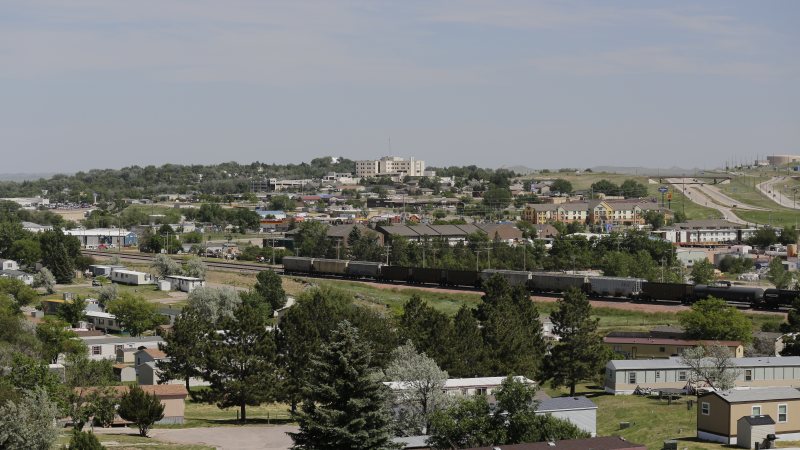
Energy-support properties and utility corridors meet a long snow season, separate city permits, and state-road movement rules.
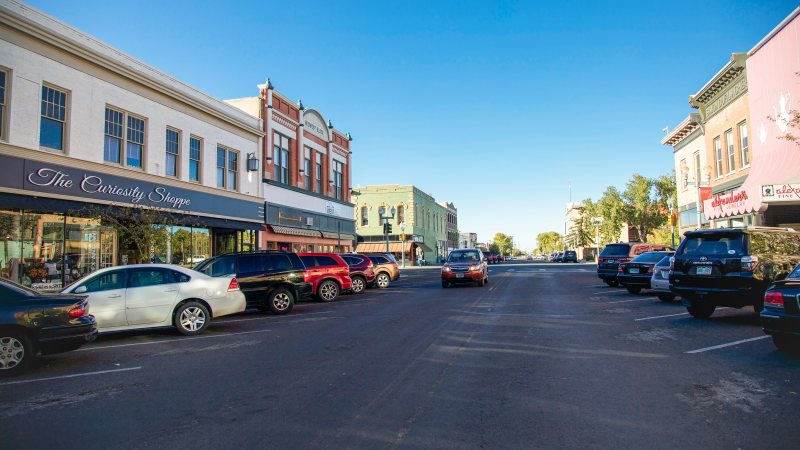
A 7,284-foot airport, wind-prone I-80 approaches, and occupied research facilities leave little room for generic planning assumptions.
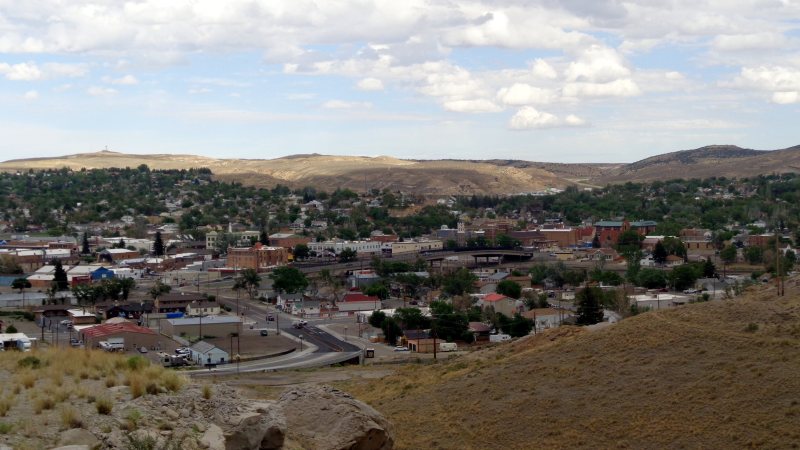
A high-elevation airport, industrial land along I-80, and constrained infrastructure make delivery and staging part of the lift decision.
From the technical library