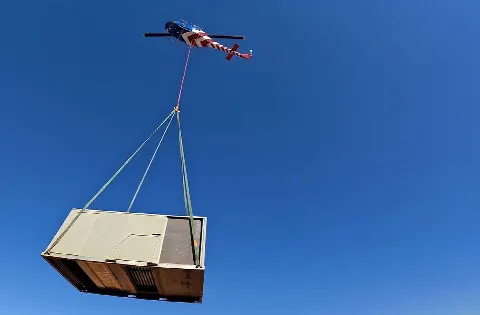
HVAC & Rooftop Units
Waterfront buildings, healthcare sites, and dense streets can make rooftop equipment placement a ground-access problem first.
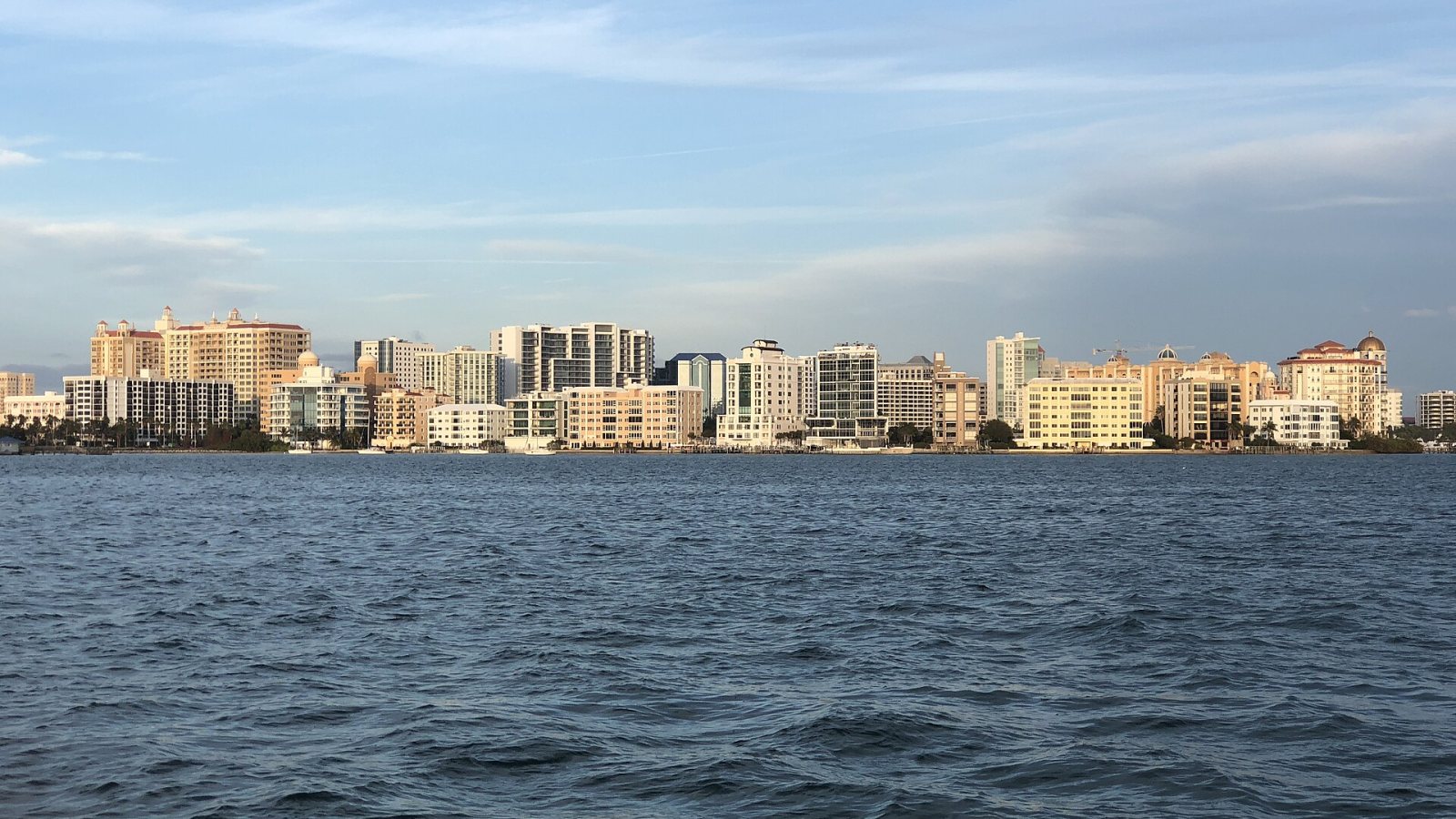
Local lift planning
Class C airport traffic, Gulf Coast weather, constrained roads, and specialized manufacturing sites put airspace and staging under the same review.
Photo: Cullen Morgan, CC BY 4.0, via Wikimedia Commons. Cropped, resized, and compressed under CC BY 4.0.
Sarasota represents the North Port-Bradenton-Sarasota MSA, fifth among Florida metros at 948,158 residents in the Census Bureau’s Vintage 2025 estimate. The guide uses Sarasota as the planning lens for a coastal metro spread across several communities and road authorities.
The current FAA Sarasota-Bradenton Chart Supplement page lists a 9,500-by-150-foot runway and a second 5,006-by-150-foot runway. Class C service applies during published tower hours. Airport-adjacent work needs current airspace review, NOTAM checks, and coordination based on the actual site.
Sarasota County reports more than 450 manufacturing companies in its economic-development overview. Operating plants can present equipment-placement work where shutdown timing, narrow access, and nearby structures limit conventional crane positioning. The crane-versus-helicopter cost guide provides a framework for comparing the whole access plan rather than flight time alone.
The National Weather Service’s Florida thunderstorm-season guide describes a warm, humid rainy season with frequent showers and thunderstorms. Late May through June carries the greatest severe-storm potential. Heavy rain, damaging wind, waterspouts, and frequent lightning can interrupt both airborne and ground work.
The FAA SRQ airport page lists strict jet noise-abatement procedures, birds on and near the airport, and two runway-surface hot spots. Those details establish a busy operating setting, not staging permission or route approval.
Sarasota County’s traffic engineering office reviews construction-related road, lane, bike-lane, and sidewalk closures plus temporary traffic-control plans. The FDOT permit office separately handles oversize and overweight movements on state-maintained roads. Avoiding one large road haul does not remove support-vehicle, closure, or staging requirements.
Waterfront buildings, healthcare sites, and dense streets can make rooftop equipment placement a ground-access problem first.
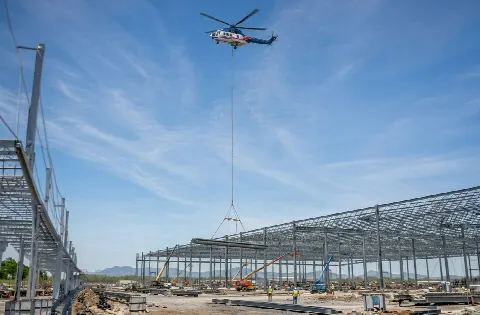
Manufacturing and coastal infrastructure work can involve components whose access route deserves a direct aerial-versus-ground comparison.
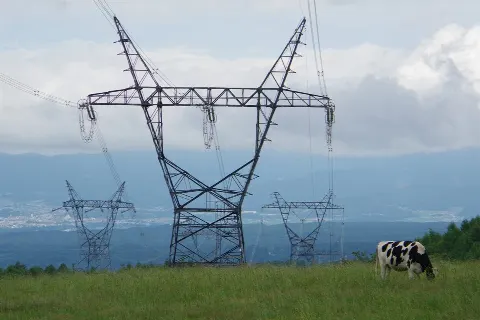
SRQ Class C operations, birds, coastal development, and published obstacles make current route review necessary.

Constrained properties near water or active facilities require verified weights, protected ground, and careful load control.

Tropical storms and severe thunderstorms can damage coastal infrastructure while flooding or debris restricts ground access.
Sarasota County’s economic-development profile reports more than 450 manufacturing companies producing intermediate, finished, and specialized products. Plant equipment, rooftop systems, and process components require exact weights and engineered pick points before any access method is compared.
The Sarasota County economic-development profile also identifies life sciences as a target industry and notes access to a nearby deepwater seaport plus five commercial airports within two hours. Laboratories, medical facilities, and controlled production spaces add facility-access and shutdown requirements to the lift plan.