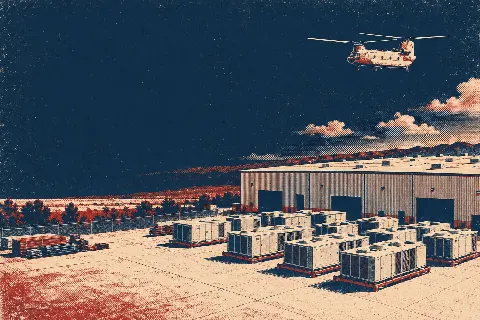
Cape Coral
A canal grid that lengthens every ground route, Class C airspace at the metro airport, and Gulf storm exposure put access and airspace under one review.
State field guide
Florida combines large controlled-airspace systems, exposed coasts, busy ports, dense visitor districts, and a long convective-weather season. A statewide label does not settle a lift plan. Site coordinates, public-ground control, current weather, and the actual load remain the controlling facts.
The original city set covers ten Florida metropolitan areas in the Census Bureau’s Vintage 2025 estimates, including every one of the state’s seven largest. New city-proper guides add distinct local conditions within those metros. None substitutes for project-day airport, property, permit, or weather checks.
A canal grid that lengthens every ground route, Class C airspace at the metro airport, and Gulf storm exposure put access and airspace under one review.

A controlled airport, deepwater cargo terminals, river crossings, and storm exposure make the landside route as important as the airborne one.

A Class D field with an 8,500-foot runway, heavy I-4 corridor distribution build-out, and a long convective season put airspace and staging under one review.

Dense Class B airspace, international cargo traffic, a major seaport, and wet-season convection make route and ground control inseparable.

Four-runway airport traffic, a long lightning season, and heavily used public spaces demand exact control of both the air route and the ground below.

Class C airspace, heavy military aviation traffic, bay crossings, and a Central time zone that catches out statewide scheduling all bear on the same plan.
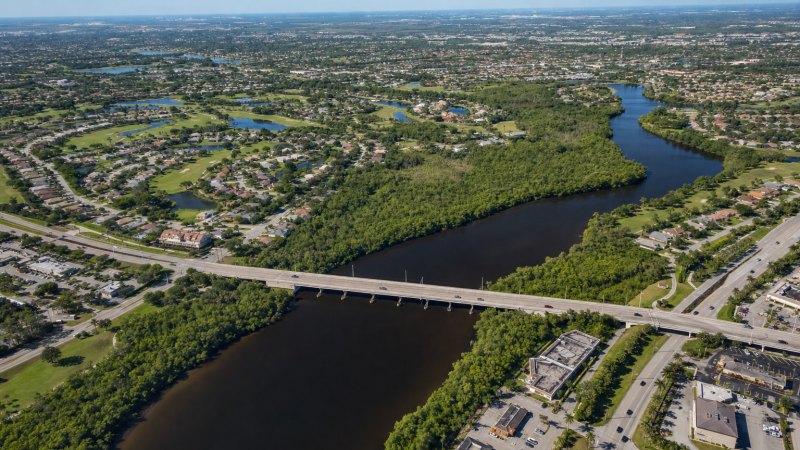
A very large low-density city, a river corridor that limits crossings, and Class D airspace at the county field put access and airspace under one review.

Class C airport traffic, Gulf Coast weather, constrained roads, and specialized manufacturing sites put airspace and staging under the same review.
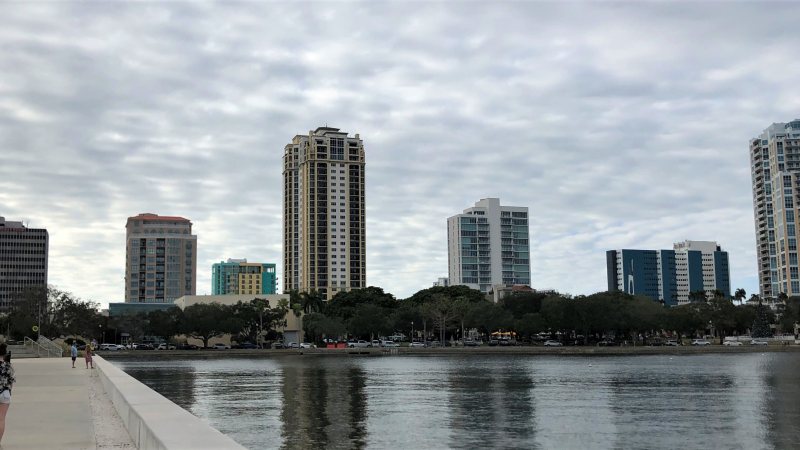
The downtown waterfront puts Port St. Pete beside an airport and public shoreline. A proposed load path needs an address-level review.

Government and campus buildings, a tree canopy that hides obstructions, rolling terrain, and Class C airspace put site survey and airspace under one review.

Class B airspace, a working Gulf port, and a long sea-breeze storm season put airspace and public-space lead time into the same schedule.
From the technical library