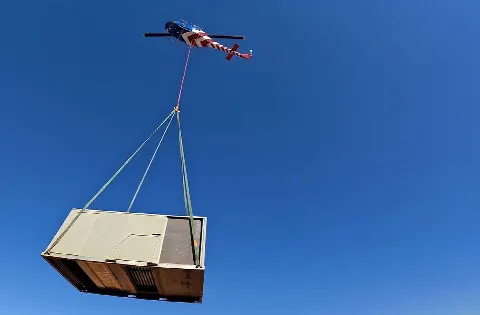
HVAC & Rooftop Units
Rooftop placement needs a ground plan that accounts for public access, winter surface conditions, and the applicable mechanical permit.
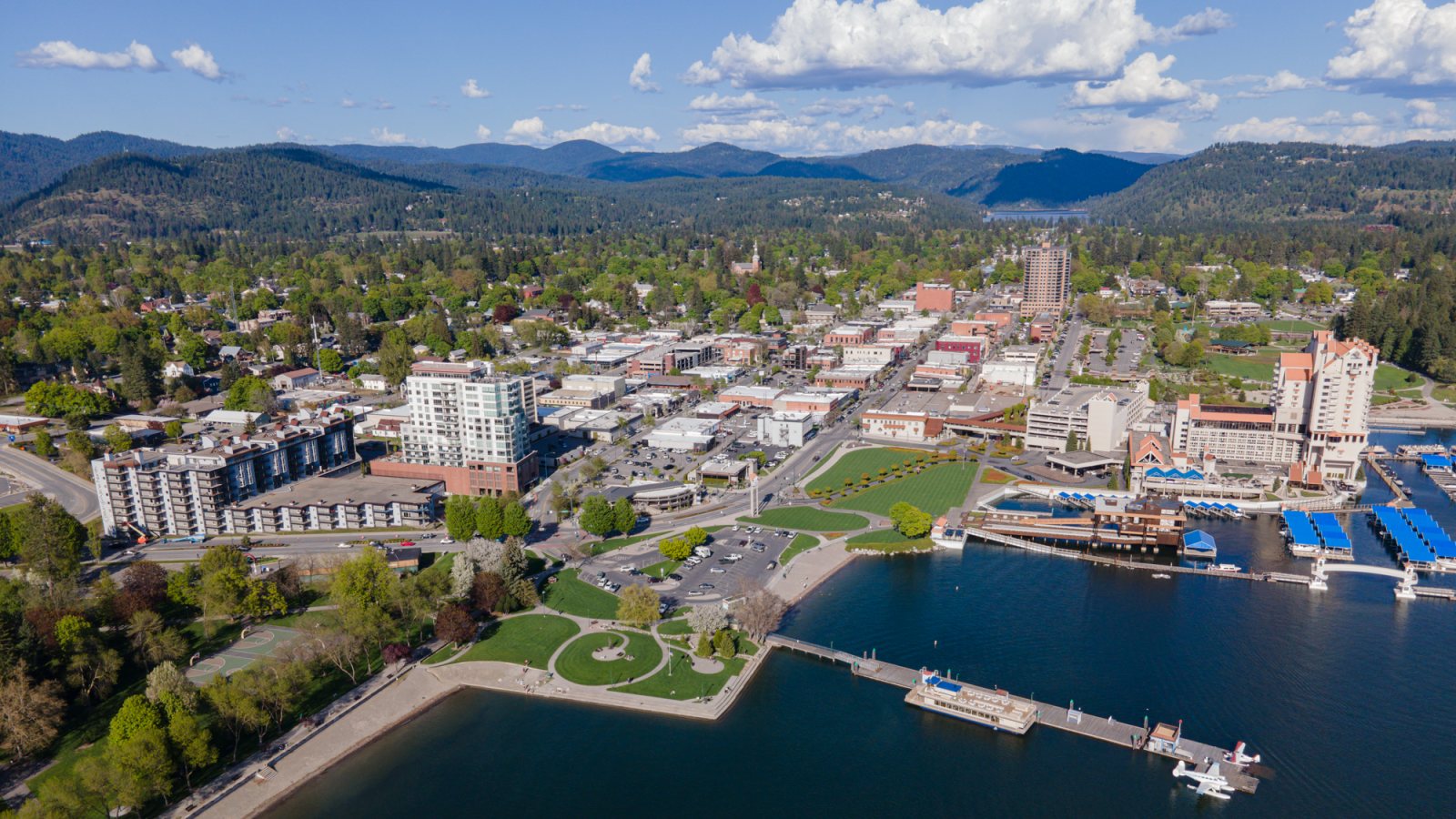
Local lift planning
Lake traffic, winter weather, and wooded terrain leave little room for a generic route or staging assumption.
Photo: Spicypepper999, CC0 1.0, via Wikimedia Commons. Cropped, resized, and compressed.
The Coeur d’Alene metropolitan area had 191,864 residents in the Census Bureau Vintage 2025 estimates. Developed corridors meet a working lakefront and wooded hills, so the pickup point and destination matter more than the regional population total.
The current FAA Coeur d’Alene/Pappy Boyington Field entry places KCOE nine miles northwest of the city at 2,320 feet. It lists 7,400-foot and 5,400-foot runways, CTAF operations, and migratory-bird activity in October and November. Those facts do not grant staging access.
Coeur d’Alene publishes permits for building work and heavy equipment near city right-of-way. Street use and project access should be fixed early. The city’s comprehensive plan separately treats transportation and the local economy as priority planning topics. The permit jurisdiction guide explains why public-ground approval and aviation authority remain separate.
The NWS Spokane weather history records a December 2008 storm that delivered 33 inches of snow in two days at Coeur d’Alene, with roof-loading problems and power outages. That is historical hazard evidence, not an annual normal.
The same NWS history records a December 1995 event with 60 mph winds in Coeur d’Alene and Post Falls. A plan needs a clear wind stand-down point and a safe ground condition after shutdown.
The FAA supplement warns of heavy boat traffic, parasail activity, tour aircraft, and helicopter operations near Brooks Seaplane Base. It also instructs aircraft not to overfly the city. A lakefront worksite cannot be treated as empty shoreline.
Rooftop placement needs a ground plan that accounts for public access, winter surface conditions, and the applicable mechanical permit.
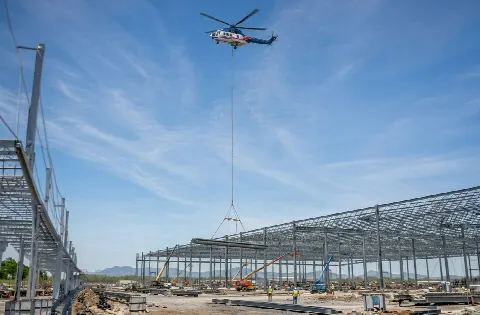
Structural placement in developed areas can affect city right-of-way. The street footprint and set-point access should be known before comparing methods.
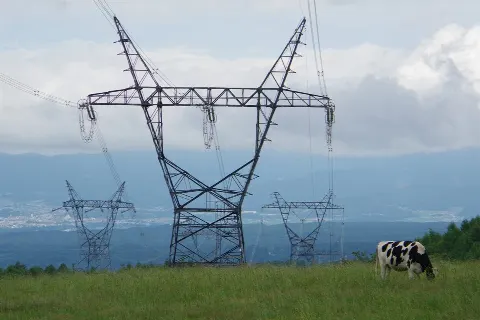
Wooded hills and winter weather can complicate access to elevated sites. Actual terrain and obstacle data must drive the route.

Documented high-wind events support a defined stand-down threshold. Conductor control and property access remain separate requirements.
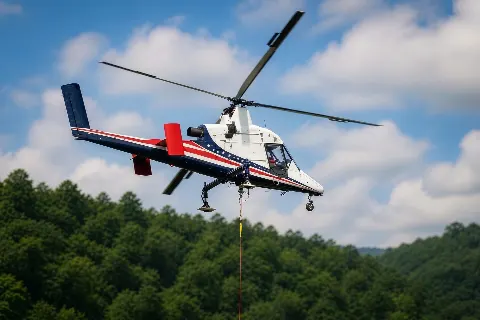
Industrial or utility sites beyond the core require actual elevation, access, and staging data rather than a regional assumption.
Idaho Commerce identifies lumber and wood products within the state’s advanced-manufacturing sector and names Idaho Forest Group in Coeur d’Alene. Industrial components remain comparison cases, not assumed helicopter work.
Construction and public infrastructure intersect city permits for building activity and heavy equipment. Winter access, city right-of-way, and public lakefront use can all affect the ground plan.