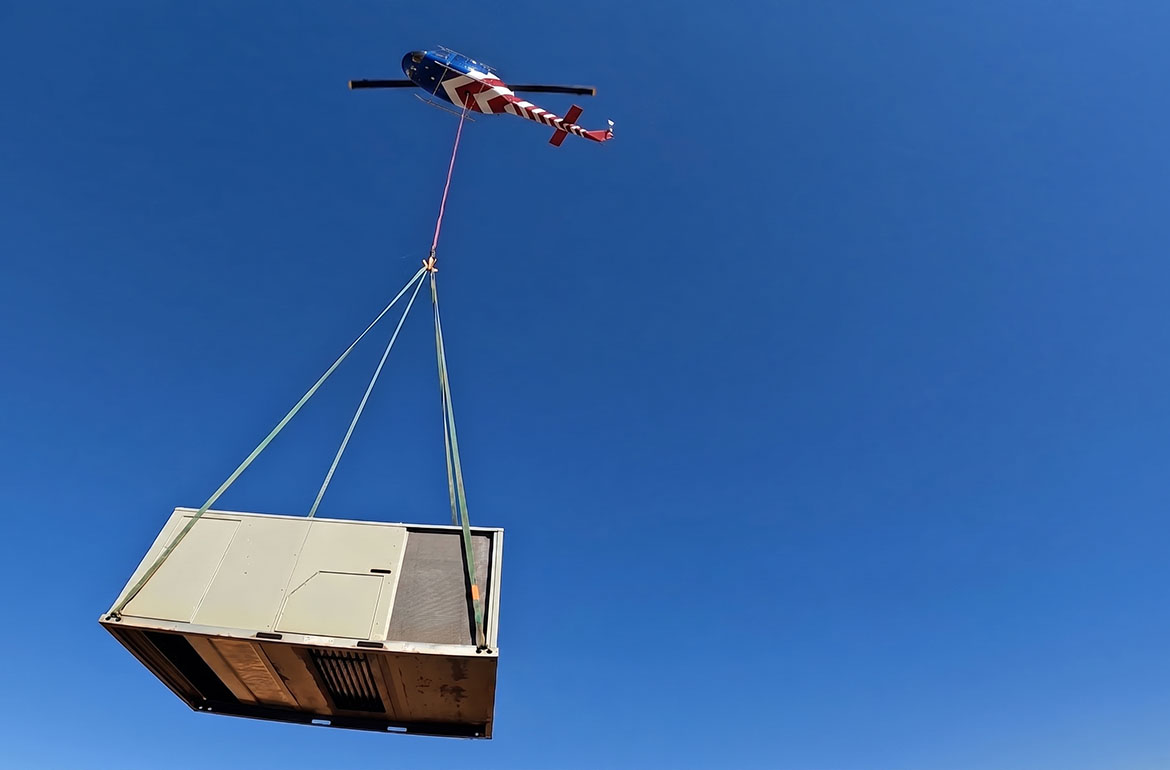
HVAC & Rooftop Units
A rooftop placement can put support equipment into city right-of-way. The 7-to-21-day ROW review is a ground-process fact, not an aircraft schedule.
Local lift planning
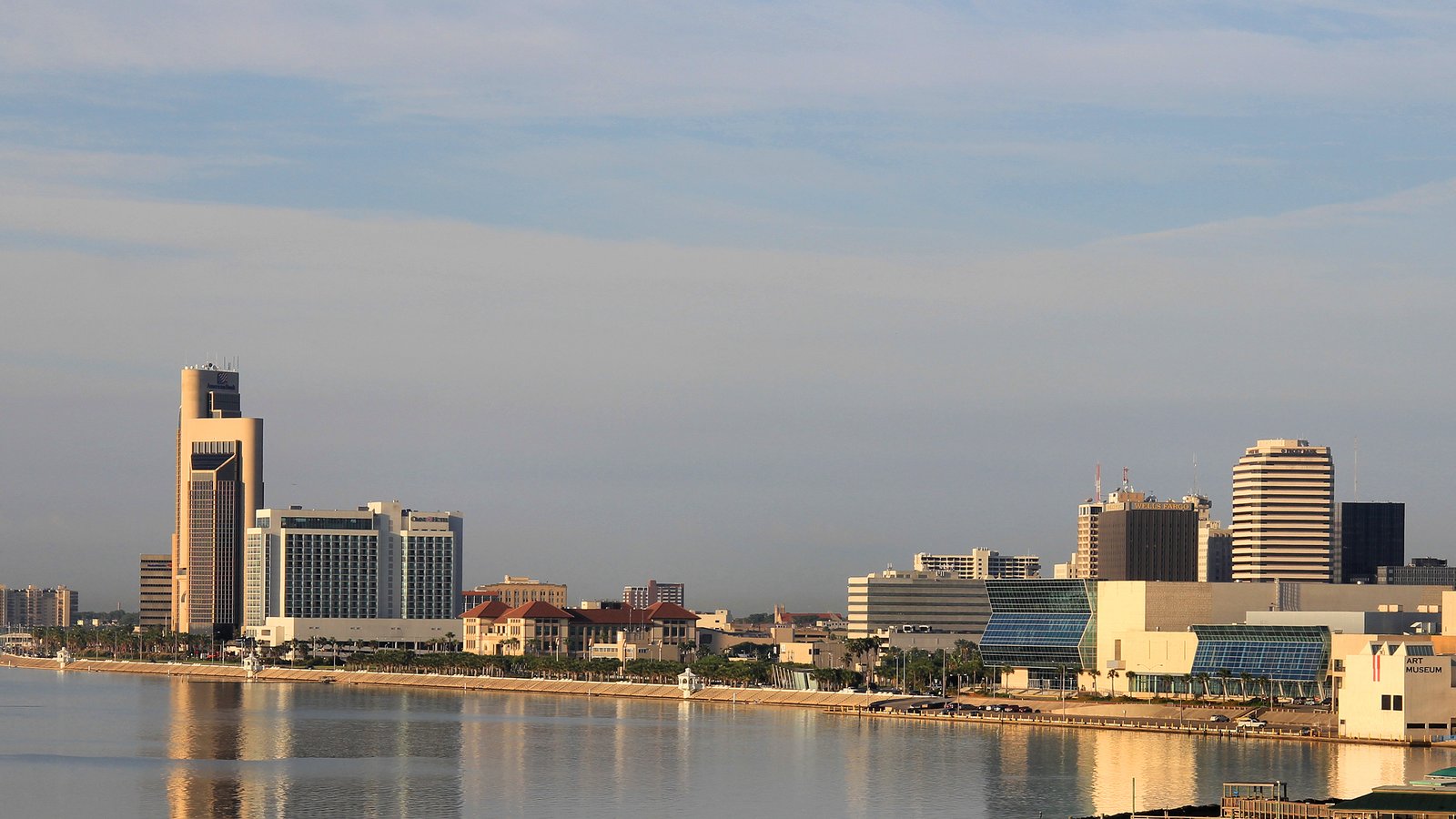
Corpus Christi joins Class C airspace, a deepened ship channel, and a long heat season on one coastal map. The airborne route and the Inner Harbor footprint need separate checks.
Photo: Larry D. Moore, CC BY 4.0 via Wikimedia Commons. Cropped, resized, and compressed. License terms.
The Census Bureau Vintage 2025 metropolitan-area table estimates 451,191 residents in the Corpus Christi MSA on July 1, 2025. That whole-area total ranks eighth among Texas MSAs and selects this guide. It is not the city’s population or evidence of lifting demand.
The current FAA airport diagram for Corpus Christi International shows two runways measuring 7,510 by 150 feet and 6,080 by 150 feet, with a military ramp labeled on the field. The Chart Supplement places the airport 5 miles west of the city in Class C airspace at 46 feet elevation. Those facts establish aviation context, not staging permission.
The Port of Corpus Christi reports 203.4 million tons in 2025 and describes a 54-foot ship channel after its improvement project. Inner Harbor docks, Ingleside terminals, and laydown yards are industrial context. They do not identify an available receiving area or grant access to a tenant parcel.
NOAA 1991-2020 normals for Corpus Christi show an annual average of 122.9 days with highs of at least 90 degrees and 31.74 inches of precipitation. The city identifies Atlantic hurricane season as June 1 through November 30. These figures support heat, rain, and tropical-season hold points. Current aviation weather still controls the work window.
Corpus Christi Right of Way Management requires permits to operate in city streets, sidewalks, and other public right-of-way. Correctly submitted applications typically take 7 to 21 business days to review. That process covers the ground footprint, not FAA authority.
The Chart Supplement notes birds on and near the airport year round, and that Cabaniss Field and closed Cuddihy Field can be mistaken for Corpus Christi International. Exact coordinates and current charts belong in the route review. The site-survey checklist keeps those checks in one field record.
A rooftop placement can put support equipment into city right-of-way. The 7-to-21-day ROW review is a ground-process fact, not an aircraft schedule.
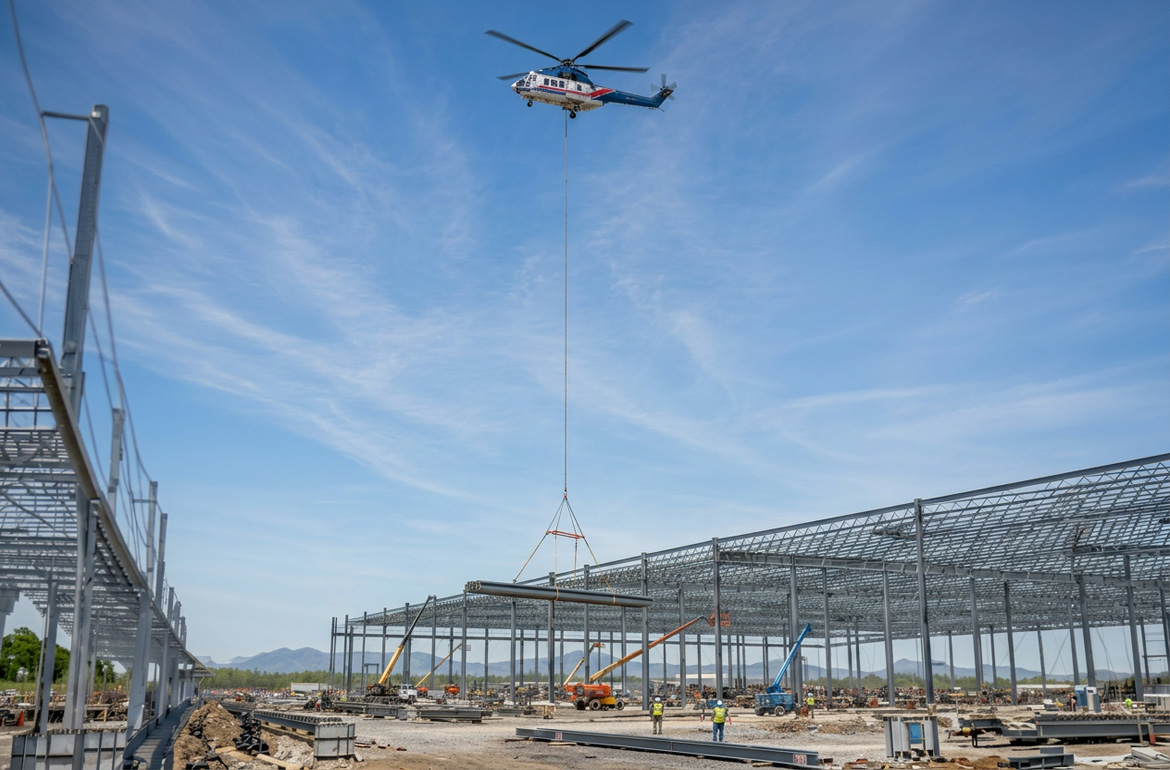
Refinery, dock, and project-cargo sites can involve long or heavy pieces. Texas oversize routing still applies before a component reaches staging.

Corpus Christi International is Class C, with a Coast Guard presence on the civil field and a separate Navy air station in Flour Bluff. Exact coordinates and current NOTAMs belong in the aviation review.

Ship-channel, rail, and highway corridors compress usable ground even when the air distance looks short. Public ROW approval and private access remain separate.
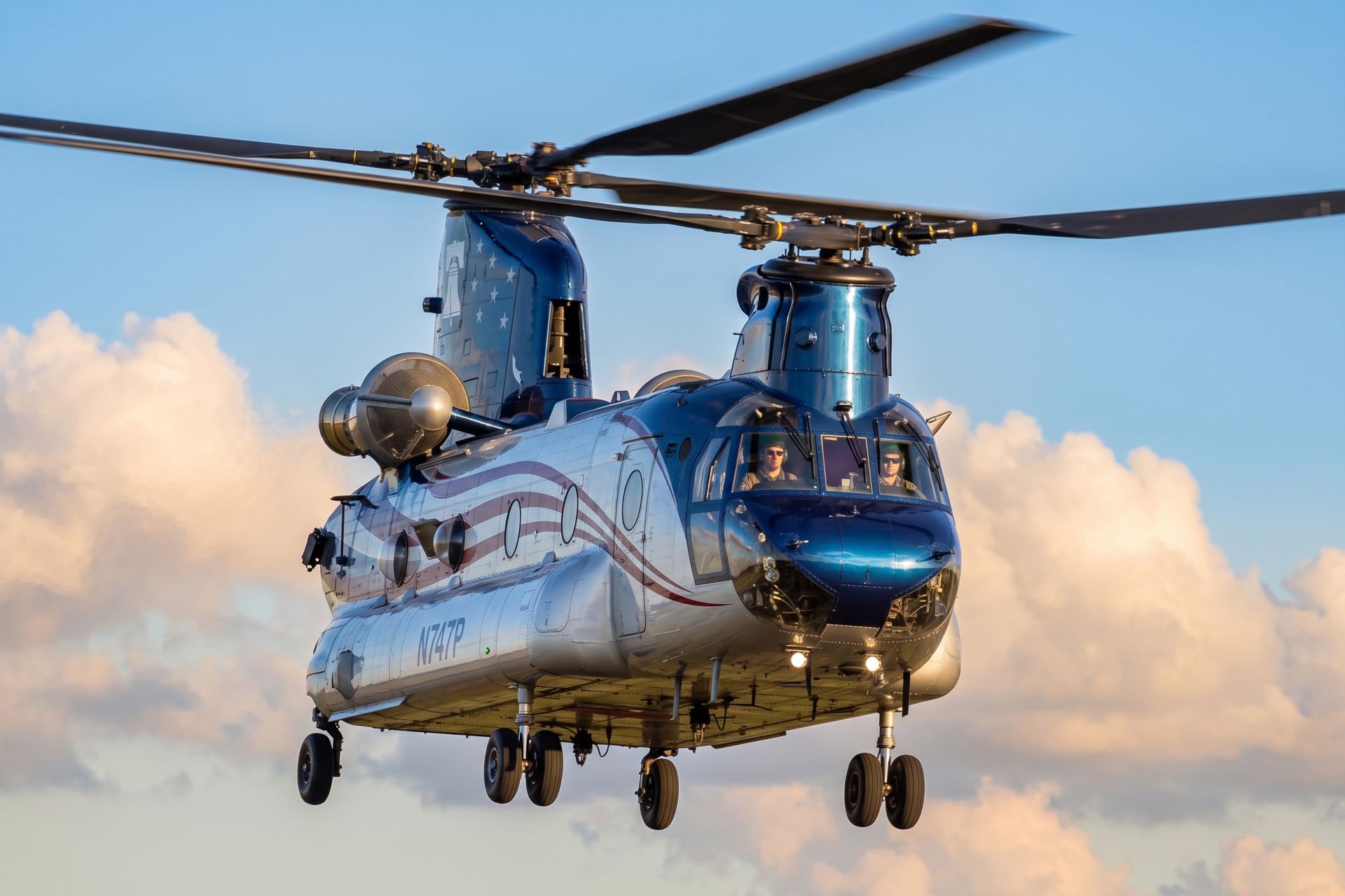
Heat is a climate normal here, and hurricane season runs from June through November. Current weather, storm-surge and road conditions, and incident authority still decide the response plan.
The port describes itself as a crude-export and LNG gateway and names six refineries in the regional hub. Public Inner Harbor oil docks and private Ingleside terminals are different facilities. A port-wide tonnage figure does not identify a berth, a laydown yard, or permission to work there.
The port also describes wind-energy and project-cargo handling, with seven near-dock laydown yards. Awkward components still need certified weights, a receiving-area check, and a lawful delivery route. The load-weight guide keeps equipment data ahead of a cargo-type label.