14 CFR Part 133 governs every commercial helicopter external-load operation in the United States. An operator earns its Rotorcraft External-Load Operator Certificate by proving aircraft, personnel, and pilot skill to the FAA, holds it for 24 months, and flies one or more of four load classes, A through D, from fixed spray racks to a lineworker on the hook.
Part 133 is short by federal rulebook standards, roughly two dozen sections, yet it decides how every sling load, longline pick, and human external cargo operation in the country is certificated, flown, and documented. It is also widely misread. The rule is written in the layered cross-reference style of the Code of Federal Regulations, where one paragraph quietly redefines the reach of another three sections away, and the practical meaning only emerges once the whole part is read together.
This breakdown does that reading. It walks the entire part in plain terms: what the rule covers, how the four load classes actually sort real work, what it takes to earn and keep the certificate, which operating rules shape lift day, and what the airworthiness subpart demands of the aircraft and its paperwork. Two reference tables anchor it, a load class chart and a section-by-section map of the whole part, so a planner can trace any requirement back to the exact sentence of the current rule text on the eCFR.
What Part 133 governs, and who must hold the certificate
Section 133.1 sets the scope: Part 133 prescribes airworthiness certification rules for the rotorcraft used in external-load work, and the operating and certification rules for conducting rotorcraft external-load operations in the United States, by any person. The operative concept is the rotorcraft-load combination: the aircraft, the load, and the attaching means between them, treated as one engineered system rather than a helicopter that happens to be carrying something.
Section 133.11 then makes the certificate mandatory. No person may conduct rotorcraft external-load operations in the United States without, or in violation of, a Rotorcraft External-Load Operator Certificate, and the work must be flown under the business name printed on it. The certificate is not a pilot credential and not an aircraft document; it attaches to the operator, lists the authorized rotorcraft by registration number, and states the load classes the operator may fly. Under section 133.51, that operator certificate even functions as a current airworthiness certificate for the listed rotorcraft while they are working under the part.
The scope has edges worth knowing. Part 133 does not apply to small unmanned aircraft (those fall under Part 107), to public aircraft operations by federal, state, or local government, to manufacturers developing or demonstrating attaching means, or to training and demonstration flights flown in preparation for certification itself. Everyone else lifting an external load commercially in US airspace is either operating under a Part 133 certificate or operating illegally, which is why checking an operator's Part 133 paperwork is the first gate in prequalification before an aerial work contract is signed.
The four load classes, translated into jobsite terms
Part 133 authorizations are issued by load class, and the classes are defined not in Part 133 itself but in the general definitions section of the federal aviation rules, 14 CFR 1.1. The definitions are precise and worth decoding, because the class determines which demonstration maneuvers the operator flew, which aircraft qualify, and how much additional approval the mission needs.
| Class | What the rule says | What it means on the job | Typical work |
|---|---|---|---|
| Class A | Load cannot move freely, cannot be jettisoned, and does not extend below the landing gear | Hardware fixed to the airframe, not hanging from it | Spray systems, cargo baskets, camera and sensor pods |
| Class B | Load is jettisonable and is lifted free of land or water | The classic hook or longline lift: the load flies | HVAC sets, tower sections, logs, concrete, drill moves |
| Class C | Load is jettisonable and remains in contact with land or water | The aircraft pulls or drags; the load never fully leaves the surface | Wire stringing, sock line pulls, cable laying, log towing |
| Class D | Load is other than Class A, B, or C and is specifically approved by the Administrator | Almost always a person on the line: human external cargo | Powerline crew transfer, hoist and rescue work |
Class definitions per 14 CFR 1.1. Class D operations carry their own aircraft and equipment requirements under 14 CFR 133.45(e), covered below.
14 CFR 1.1 Load class definitions
The class system explains oddities that confuse first-time buyers of aerial work. A cargo basket bolted to the fuselage is Class A even though nothing dangles. A wire pull is Class C even though the line spends most of the job in the air, because the conductor stays connected to the ground through the pull. And any mission that puts a human being on the hook leaves Class B entirely and becomes Class D, with a materially higher bar for the aircraft and its equipment.
Earning the certificate: forms, phases, and the checkride
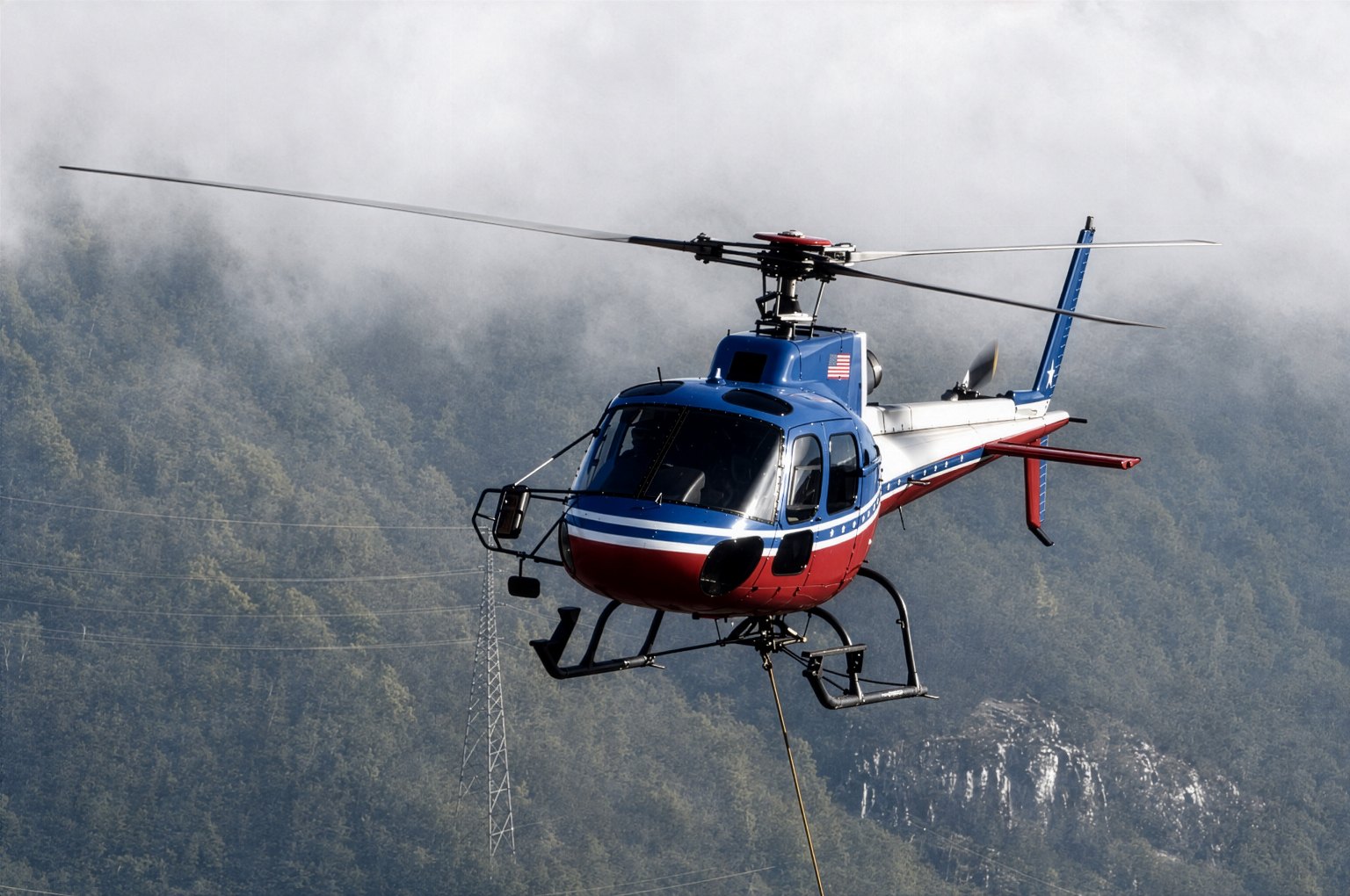
Subpart B is the certification path. The application itself is straightforward paper: FAA Advisory Circular AC 133-1B describes a five-phase process run through the local Flight Standards District Office, opened with a Preapplication Statement of Intent (FAA Form 8400-6) and carried by the certificate application itself (FAA Form 8710-4). The phases run preapplication and application (combined in practice), document compliance, demonstration and inspection, and certification, and the AC warns that a phase left incomplete for 90 days can end the process. What the applicant must actually prove sits in three sections of the rule:
- A qualifying rotorcraft, under section 133.19. The applicant needs exclusive use of at least one rotorcraft holding a valid standard or restricted category airworthiness certificate. Exclusive use means ownership or a written agreement, covering possession, control, use, and required maintenance, running at least six consecutive months. A borrowed aircraft on a handshake does not qualify.
- Qualified people, under section 133.21. The operator must hold, or have available, at least one pilot with a current commercial or airline transport pilot certificate rated for the aircraft, and must designate a chief pilot acceptable to the FAA. If the chief pilot changes, the replacement must be designated and qualified within 30 days or operations stop.
- Demonstrated knowledge and skill, under section 133.23. The applicant or chief pilot takes a knowledge test, oral or written at the applicant's option, covering five subjects: pre-operation planning and flight area survey, loading and rigging methods, the performance capabilities of the rotorcraft under approved procedures, crew and ground worker instruction, and the rotorcraft-load combination flight manual. Then comes a skill demonstration flown in the actual aircraft for each class requested: takeoffs and landings, directional control in hover, acceleration from hover, flight at operational airspeeds, approaches to the working area, maneuvering the load into release position, and winch operation if a winch is installed. The FAA may waive the tests for an applicant with a documented record in external-load work.
The certificate that results is valid until the end of the 24th month after the month of issue, per section 133.13, and renews on the same application form. Amendments to add aircraft or load classes go through section 133.25. Two housekeeping duties in section 133.27 matter operationally: the certificate and the aircraft list stay available for inspection at the home base, and a facsimile of the certificate rides in every rotorcraft on the job. That facsimile is the piece of paper a site superintendent can reasonably ask to see on lift morning.
The operating rules that shape lift day
Subpart C is where Part 133 reaches the jobsite. Its center of gravity is section 133.33, the operating rules, and its paragraphs are best read as a sequence of gates.
First, every operation must conform to the Rotorcraft-Load Combination Flight Manual, and the aircraft and load combination flown must be the ones authorized on the certificate. Second, before an operator flies an external-load configuration that differs substantially from anything it has carried on that type before, section 133.33(c) requires a flight-operational check, conducted away from people and property: verify weight and center of gravity are within limits and the load cannot foul the emergency release, make an initial liftoff and confirm controllability, verify directional control in hover, accelerate into forward flight and confirm no uncontrollable attitude appears, watch the load for hazardous oscillation with crew or ground personnel signaling if the pilot cannot see it, and work up to an operational airspeed at which the load rides clean. That sequence is the regulatory ancestor of every test pick a competent crew flies before committing a new load.
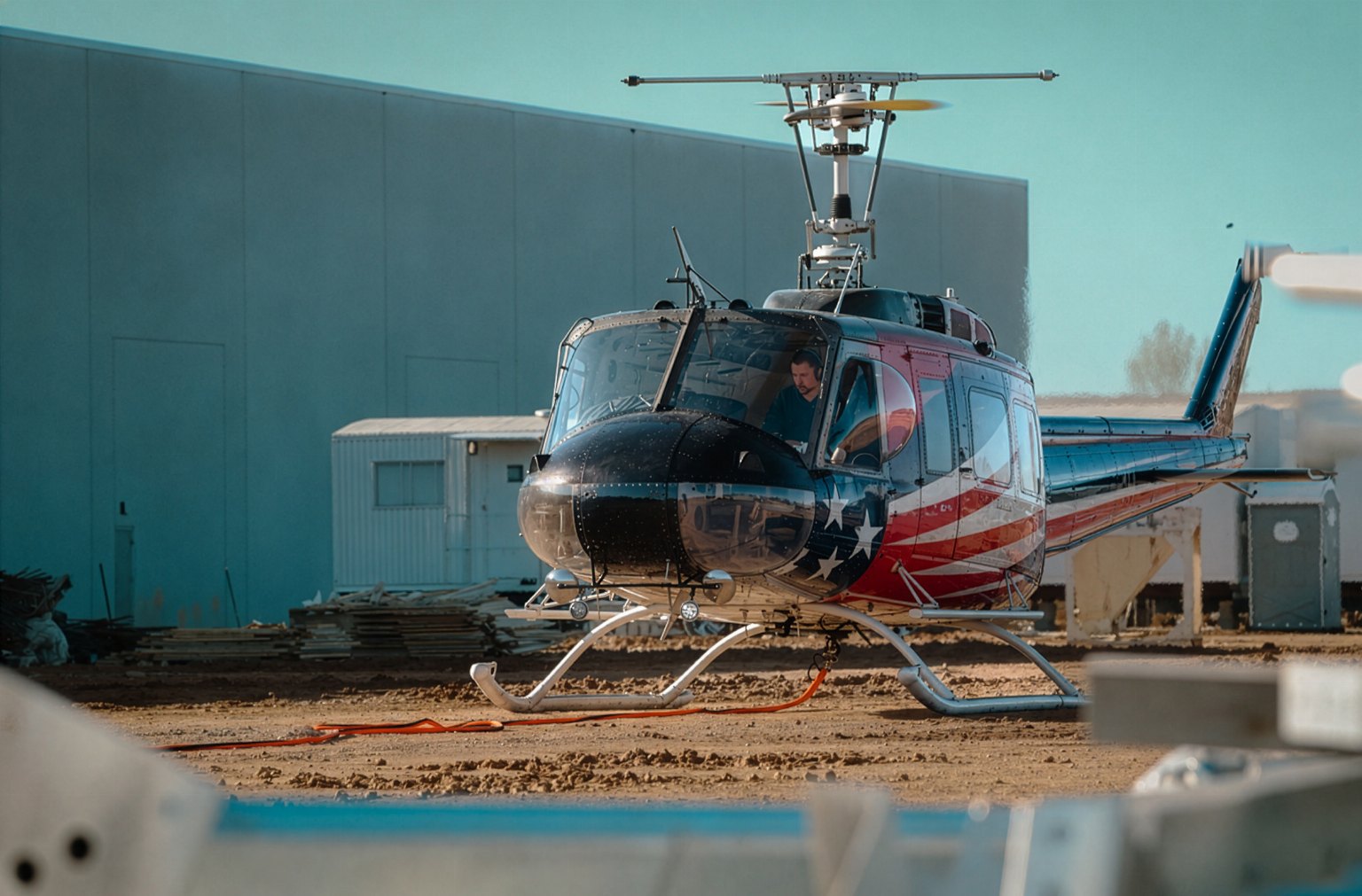
Third come the two altitude provisions that make commercial lift work legal at all. General flight rules under Part 91 keep aircraft 500 feet from people and structures except for takeoff and landing; section 133.33(e) releases certificated external-load operators from that floor, permitting approaches, departures, and load positioning below 500 feet and closer than 500 feet to persons, vessels, vehicles, and structures, provided the operation creates no hazard on the surface. Every rooftop set in the country flies on that sentence.
Fourth, congested areas. Section 133.33(d) permits external-load work over congested areas only for standard-certificated aircraft types, only without hazard to people or property below, and only under a written plan approved in advance by the responsible Flight Standards office. The plan must include an agreement with the local political subdivision to keep unauthorized people out of the operating area, air traffic coordination where needed, and a detailed chart of routes and altitudes chosen so a jettisonable load could be released and the aircraft landed in an emergency without harm below. AC 133-1B asks for that plan at least 5 business days before the operation, and one plan can cover a multi-flight job. The mechanics of assembling a congested area plan the FSDO will approve are a discipline of their own.
The rest of the subpart is compact. Section 133.31 permits deviation from the part in a genuine emergency, with notice to the FAA within 10 days. Section 133.35 restricts who may be aboard during external-load work to flight crew, crew trainees, people performing an essential function, and people necessary to the work itself, all briefed by the pilot in command before takeoff on normal, abnormal, and emergency procedures. Section 133.37 requires every pilot flying under the part to have demonstrated knowledge and skill per section 133.23 and to carry a letter of competency or logbook entry proving it, and requires Class D crews to have completed approved initial or recurrent training within the preceding 12 calendar months. Section 133.39 reserves the FAA's right to inspect any operation under the part. And section 133.33(f) allows external-load flight under instrument flight rules only with specific FAA approval, with one absolute: no person is ever carried as part of the external load under IFR.
The airworthiness backbone: flight checks, hardware, and the RLCFM
Subpart D answers a question the operating rules assume: how does anyone know a given rotorcraft-load combination is safe to fly? The answer is demonstration at weight. Under section 133.41, the applicant flies operational flight checks at the maximum external-load weight for which authorization is requested. Class A combinations demonstrate takeoff and landing, hover control, acceleration, and level flight to the maximum requested airspeed. Class B and D combinations add load pickup, lifting device operation, and maneuvering the load to the release position with a live release on every quick-release control installed. Class C wire and cable work demonstrates the same set as applicable.
Section 133.43 governs the hardware. External-load attaching means and quick-release devices must carry an FAA approval tracing to the rotorcraft certification standards (Parts 27 or 29 for normal and transport category rotorcraft, or the special purpose path of section 21.25), and the total weight and center of gravity of the loaded combination must stay inside the limits established at type certification. The rule is the reason a cargo hook is a certificated part with a paper trail, not a shackle bolted where it fits.
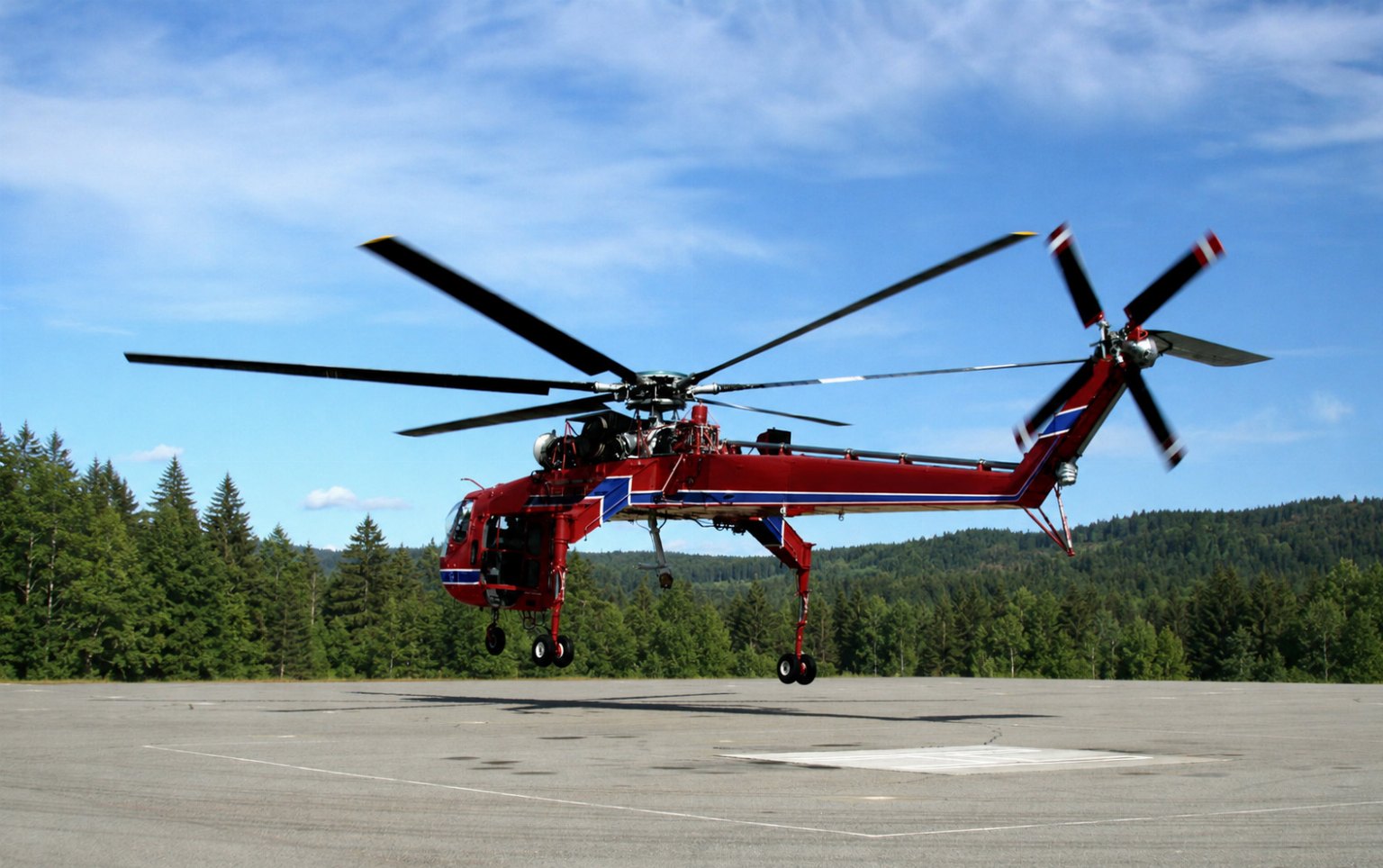
Section 133.45 converts the demonstrations into operating limitations written into the Rotorcraft-Load Combination Flight Manual: the combination may not exceed the demonstrated weight, center of gravity range, or airspeed. Two of its paragraphs carry outsized planning weight. Paragraph (d) bars restricted-category rotorcraft, the surplus military conversions that make up much of the US heavy fleet, from external-load work over densely populated areas, congested airways, and busy passenger airports, and AC 133-1B is explicit that no waiver is available for external-load operations, reinforcing the parallel prohibition in 14 CFR 91.313. Paragraph (e) is the Class D standard: human external cargo may fly only on a rotorcraft type certificated in transport Category A that can hover with one engine inoperative at the operating weight and altitude, with direct radio intercommunication among required crew, an FAA-approved personnel lifting device, and an emergency release that requires two distinct actions, a deliberate design so a startled hand cannot drop a person with a single motion.
14 CFR 133.45 Operating limitations
Section 133.47 requires the Rotorcraft-Load Combination Flight Manual itself, prepared to the flight manual standards of the rotorcraft certification rules and carrying the approved limitations, procedures, performance data, the demonstrated classes, any handling peculiarities discovered with particular combinations, and precautionary advice on static electricity discharge for Class B, C, and D work, the reason longline crews ground the remote hook before touching it. Section 133.49 finishes the subpart with two placards: one in the cockpit or cabin stating the approved load classes and occupancy limits, and one at the attaching means stating the maximum authorized external load.
The whole part on one page
The map below compresses the full part into a single reference chart. Sections are current rule text as published on the eCFR; the plain-language column is this desk's translation, not regulatory language.
| Section | What it says | What it means on the job |
|---|---|---|
| 133.1 | Applicability | Covers all US rotorcraft external-load work; excludes drones (Part 107), public aircraft, and manufacturer demonstrations |
| 133.11 | Certificate required | No certificate, no external-load operations, and the work flies under the name on the certificate |
| 133.13 | Duration | Certificate expires at the end of the 24th month after issue or renewal |
| 133.14 | Drug carriage | Knowingly flying drug operations is grounds for suspension or revocation |
| 133.15 | Application | Filed on the prescribed form (Form 8710-4) with the responsible Flight Standards office |
| 133.17 | Issuance | Show a qualifying aircraft, qualified people, and a passed test; receive authorization by rotorcraft and load class |
| 133.19 | Rotorcraft | Exclusive use of at least one certificated rotorcraft; lease agreements run six months minimum |
| 133.21 | Personnel | Commercial or ATP certificate required; a designated chief pilot the FAA accepts; 30 days to replace one |
| 133.22 | Former FAA employees | Two-year cooling-off period before an ex-inspector can represent the operator before the FAA |
| 133.23 | Knowledge and skill | Five-subject knowledge test plus a flown skill demonstration per load class; waivable on documented experience |
| 133.25 | Amendment | Add or remove aircraft and load classes through the Flight Standards office |
| 133.27 | Availability | Certificate kept at the home base; a facsimile rides in every working rotorcraft |
| 133.31 | Emergency operations | Deviation allowed in a genuine emergency; FAA notified within 10 days |
| 133.33 | Operating rules | Fly the manual and the authorization; flight-check new load configurations; congested areas need an approved plan; work below 500 ft is authorized when no hazard exists; IFR needs specific approval |
| 133.35 | Carriage of persons | Only crew, trainees, and people essential to the work fly; everyone is briefed by the pilot in command |
| 133.37 | Training and currency | Every pilot carries proof of a passed demonstration; Class D crews train initially and every 12 months |
| 133.39 | Inspection authority | The FAA can inspect any Part 133 operation at any time |
| 133.41 | Flight characteristics | The combination is demonstrated in flight at the maximum weight requested, class by class |
| 133.43 | Structures and design | Hooks, attaching means, and quick releases carry FAA approvals; weight and CG stay inside type certificate limits |
| 133.45 | Operating limitations | Demonstrated weights and speeds become hard limits; restricted-category aircraft barred over populated areas; Class D requires Category A, one-engine-out hover, and a two-action release |
| 133.47 | RLCFM | The approved manual for the combination: limits, procedures, peculiarities, static discharge cautions |
| 133.49 | Markings and placards | Load class and occupancy placard in the aircraft; maximum load placard at the hook |
| 133.51 | Airworthiness certification | The operator certificate serves as the airworthiness certificate for listed rotorcraft during Part 133 work |
Section titles abbreviated; plain-language column is an editorial summary. The controlling text is the current rule as published on the eCFR.
Part 133 also does not stand alone. Restricted-category aircraft carry the separate operating limits of 14 CFR 91.313. The ground side of the same lift, the crew under the load, falls to OSHA under 29 CFR 1926.551, which governs housekeeping, personal protective equipment, signaling, and cargo hooks from the construction side of the fence. And the rule's requirements surface long before the aircraft does: the load class, the congested area determination, and the demonstrated weight limits are all inputs to the planning sequence that turns a lift request into an executable lift plan.
14 CFR 91.313 Restricted category limits OSHA 1926.551 Ground crew rule
For the estimator or project engineer, the practical summary is this: Part 133 is the reason a legitimate external-load operator can produce, on request, a certificate with the aircraft and load classes printed on it, a flight manual for the exact combination proposed, and a pilot with documented proof of a passed demonstration. The rule has been refined since 1964 into a compact, testable standard, and every one of its two dozen sections earns its place on a working jobsite.