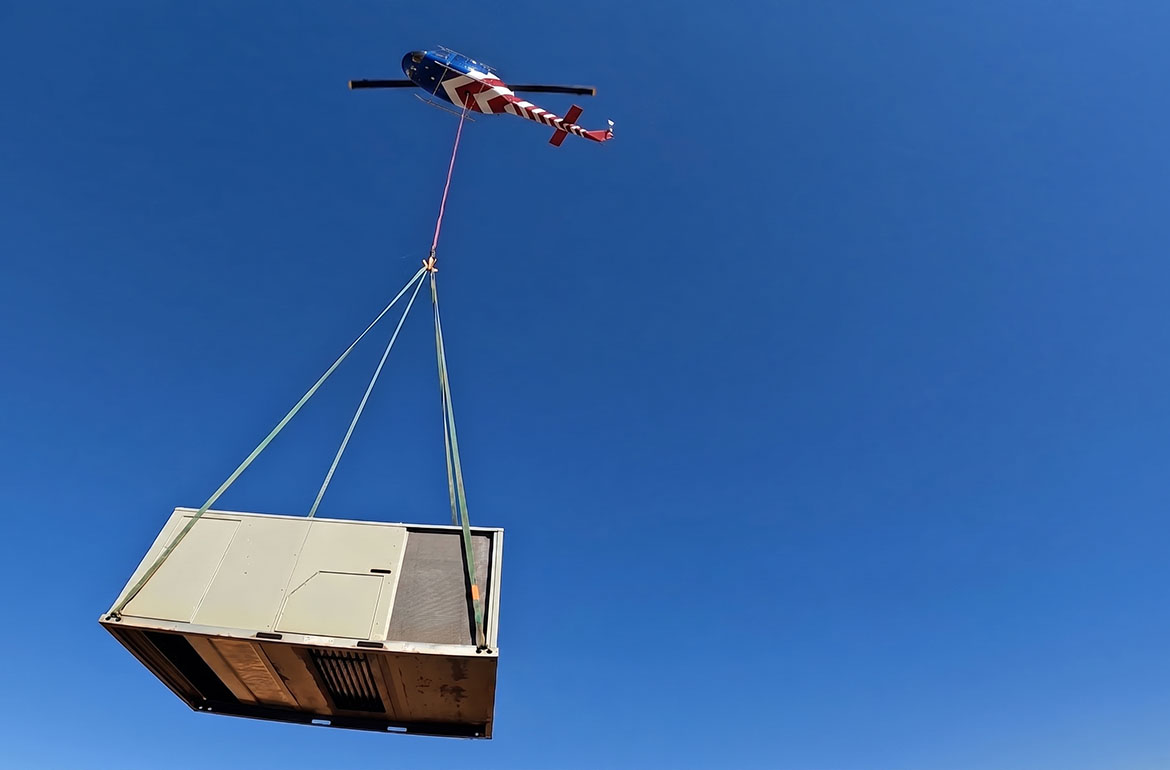
HVAC & Rooftop Units
Major health systems appear in Dallas’s employer mix. A rooftop equipment plan should map occupied areas and any sidewalk or lane effect before the closure footprint is fixed.
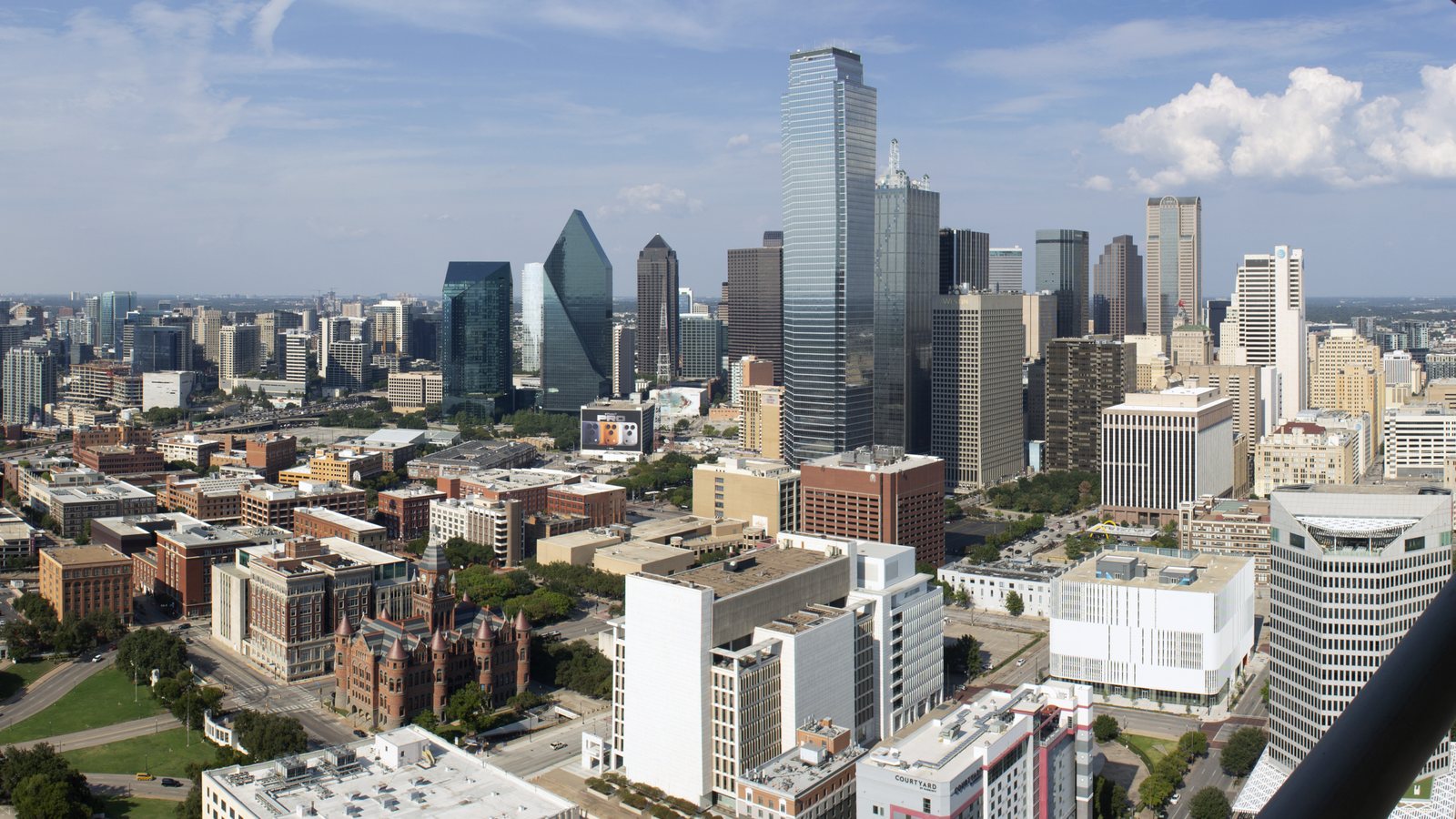
Local lift planning
Dallas combines a seven-runway international airport with dense streets and industrial delivery routes. The airborne route and the ground footprint need separate checks.
Photo: IcedCowboyCoffee, CC0 1.0 via Wikimedia Commons. Cropped, resized, and compressed. License terms.
The Census Bureau Vintage 2025 metropolitan-area table estimates 8,477,157 residents in the Dallas-Fort Worth-Arlington MSA on July 1, 2025. That whole-area figure makes it Texas’s largest MSA and selects this guide. It is not Dallas’s city population or a measure of lifting demand.
The current FAA Chart Supplement entry for Dallas-Fort Worth International places DFW 12 nautical miles northwest of Dallas and lists seven runways. Published lengths range from 8,500 to 13,401 feet. Those dimensions establish the airport setting, but they do not settle an off-airport suspended-load route. Exact coordinates, current charts, NOTAMs, obstacles, and air traffic review remain site-specific. The external-load guide explains the wider operating record.
Dallas Right-of-Way Management requires a traffic-control permit when construction closes a traffic lane or blocks a sidewalk or alley. The application must show vehicle and pedestrian controls for each work phase. Map the support footprint and public separation before assigning ground positions.
Seven runways and published land-and-hold-short operations put several active surfaces into the DFW airport map. The FAA entry makes clear that distance from one runway does not answer the wider airspace question. Review the current route against all nearby aviation activity.
The National Weather Service 1991-2020 normals include 20 days reaching 100 degrees annually, 37.01 inches of precipitation, and 29 freezes per season at Dallas-Fort Worth. These figures support explicit heat, rain, and cold-weather hold points. They are climate context, not a work-date forecast or aircraft limit. The density-altitude article covers the performance question.
The TxDMV oversize and overweight permit page requires exact vehicle and load dimensions and weight before permit selection. An authorized route may also be required. Aerial placement does not remove the delivery problem before a component reaches staging.
Major health systems appear in Dallas’s employer mix. A rooftop equipment plan should map occupied areas and any sidewalk or lane effect before the closure footprint is fixed.
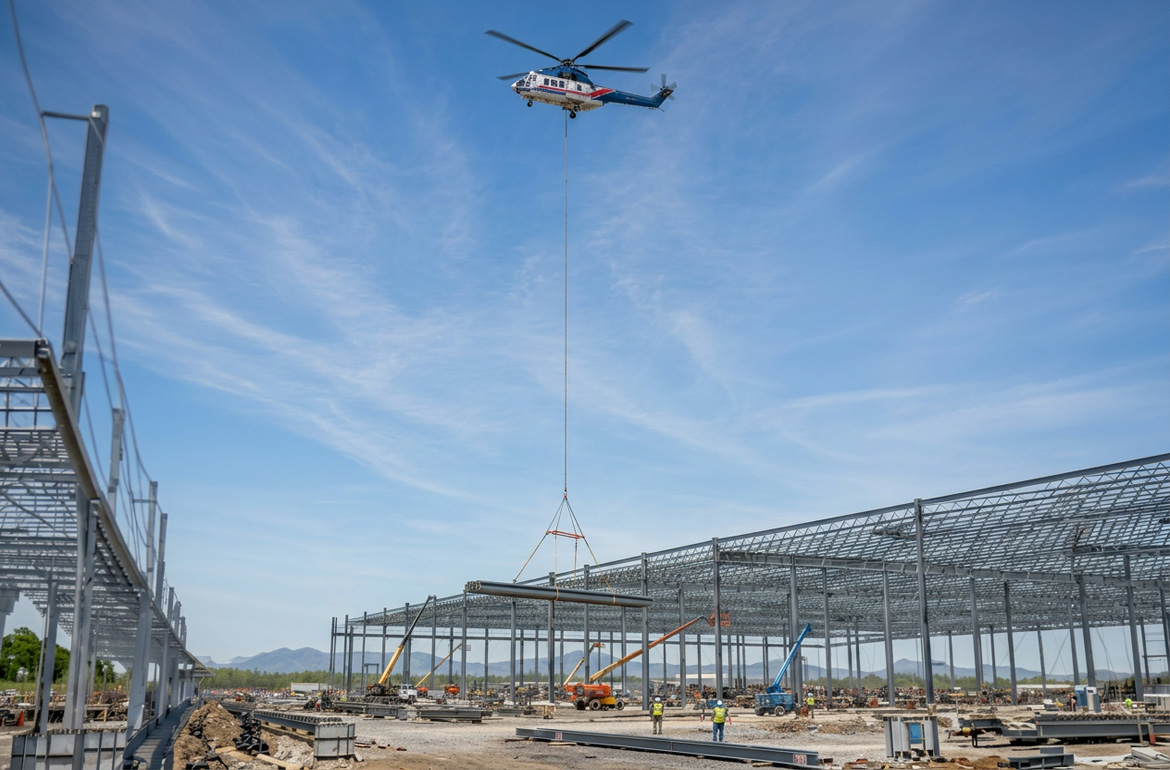
Advanced manufacturing is part of the city’s employment mix. Structural pieces and plant equipment still need certified weights and a delivery route checked against Texas permit requirements.
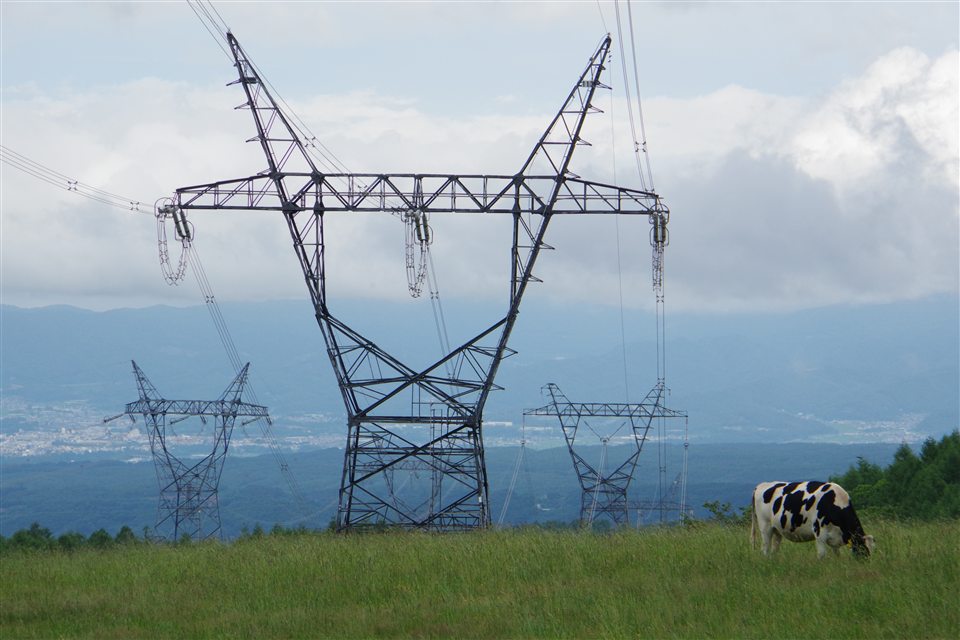
DFW’s seven-runway layout makes exact coordinates important. Current charts, nearby obstacles, NOTAMs, and the proposed suspended-load route belong in one review.
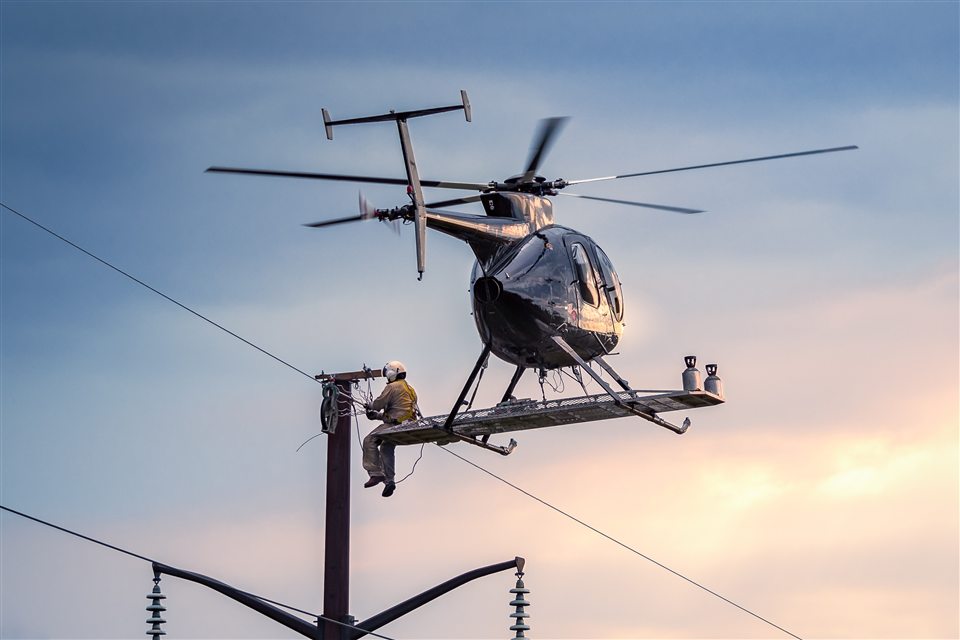
Dallas requires traffic-control review when work closes a lane or blocks a sidewalk or alley. Public right-of-way approval and private-property authority remain separate.
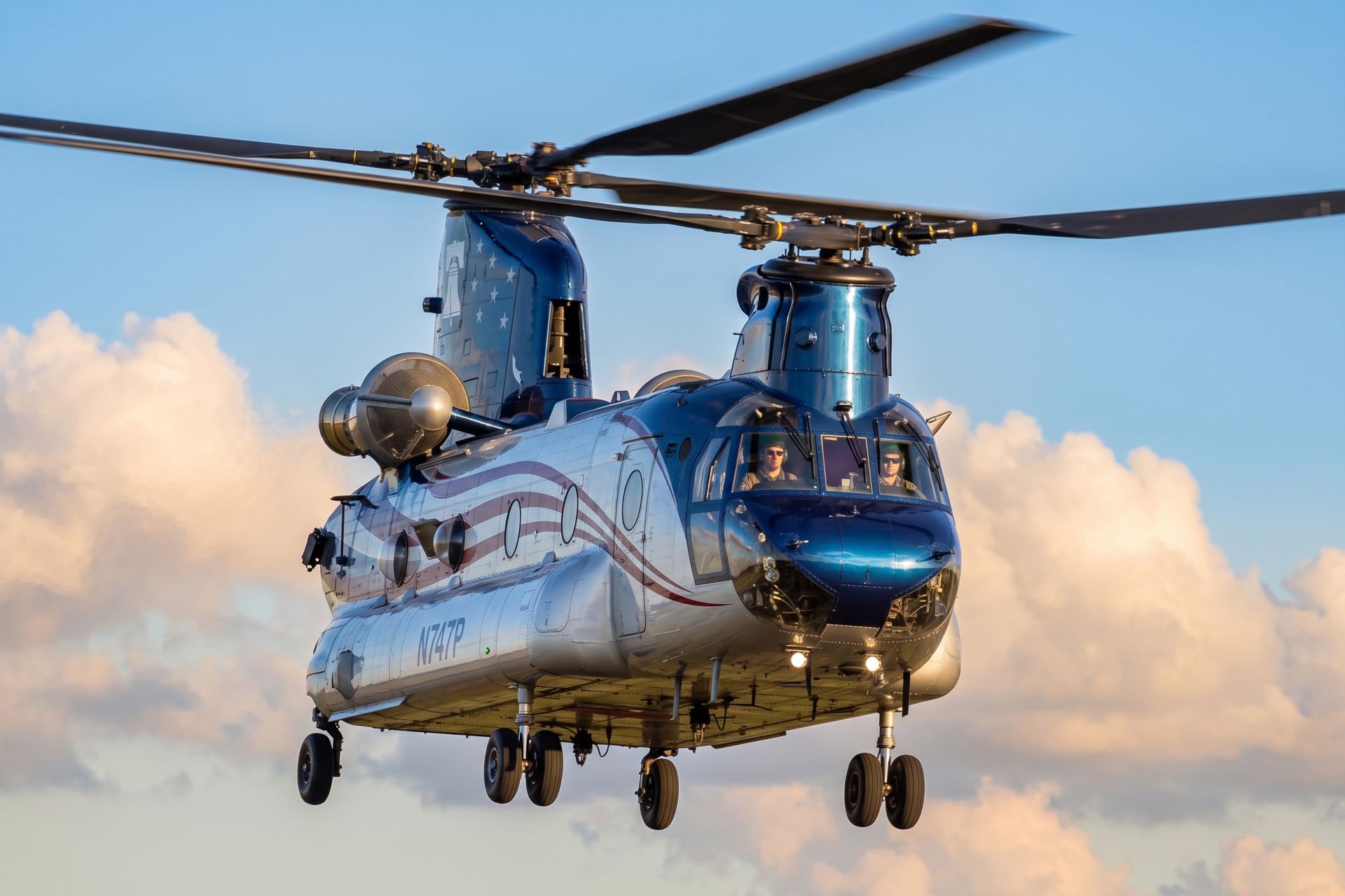
Extreme heat, rain, and freezes all appear in the Dallas-Fort Worth climate record. Current weather, road conditions, incident authority, and a controlled work area still decide the response plan.
Dallas identifies advanced manufacturing among its employment sectors and lists Texas Instruments under semiconductors. Plant equipment or structural work still needs certified weights, facility authority, production controls, and a direct comparison with ground lifting.
The city’s employer table includes major health systems such as UT Southwestern and Parkland. Work around an occupied medical building needs a controlled area, documented roof and equipment information, and a separate review of any affected street or sidewalk. The site-survey checklist keeps those boundaries in one field record.