The Skyhook Program: How the Fulton Surface-to-Air Recovery System Worked
The Fulton Skyhook lifted people and cargo into a flying aircraft without landing. How it worked, where it flew, and why it shaped modern lift.
The editorial desk
Founder and Editor, AHLH. Heavy-lift planning and jobsite coordination.
Erran F. Yearty is the founder and editor of American Heavy Lift Helicopters. He is a co-founder of Fair Lifts Helicopter Services and served as its Chief Marketing Officer. He has helped plan heavy lift operations and worked on site, under the downwash, alongside ground rigging crews and rooftop setting crews. His experience comes from coordinating the work and being there as loads move from the ground to their set points.
At AHLH, he writes and edits for readers who need to understand how a lift is planned and what can change the estimate. He pays particular attention to the qualifications behind aircraft capacity figures and regulatory requirements, including exceptions that can change how a rule applies to a job.
He is also a software engineer and web developer, and the CEO of Sputnik Digital Effects. He has managed and developed the software and portfolio projects presented on its website. The software includes VanityFilter, Sputnik Markdown Viewer, AI Stripper and Sputnik Signal. His portfolio work includes the website and AI systems built for Clean Getaway, as well as VanityFilter and Fair Lifts.
The byline
The Fulton Skyhook lifted people and cargo into a flying aircraft without landing. How it worked, where it flew, and why it shaped modern lift.
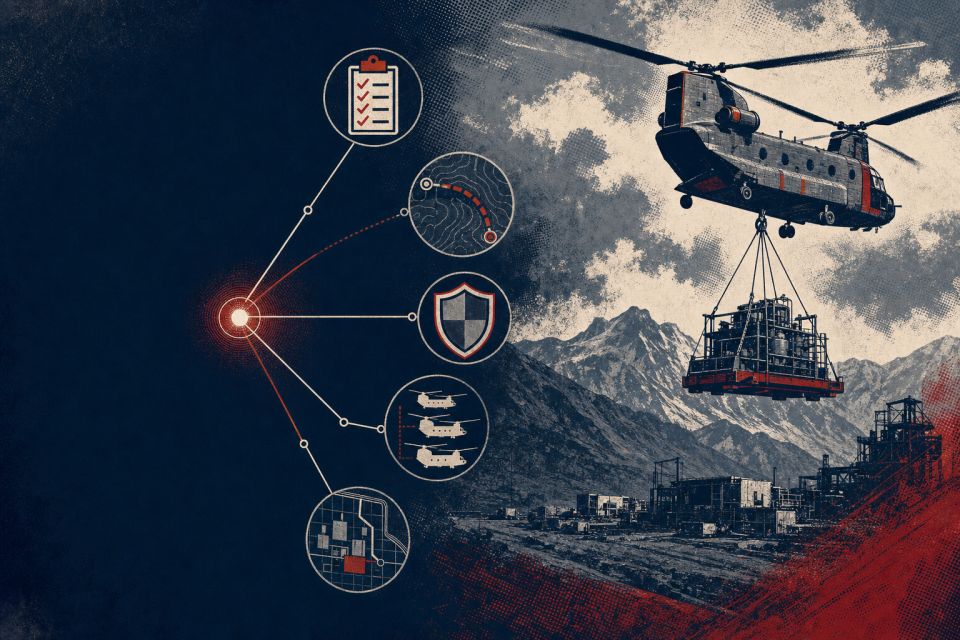
Why professional lift coordination de-risks a heavy helicopter lift, from lift specification and operator vetting to aircraft matching and schedule staging.
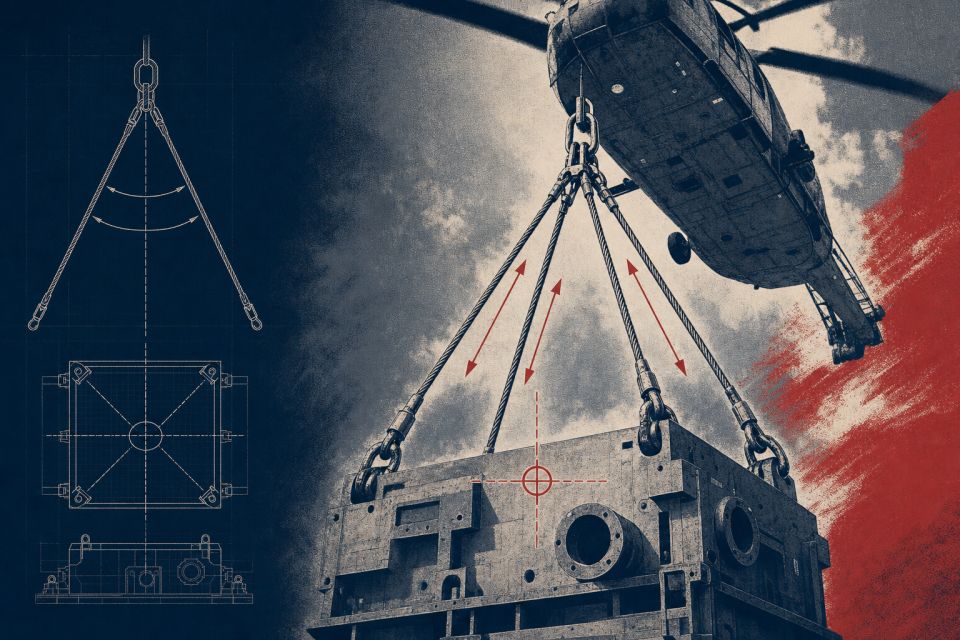
Why aerial rigging departs from crane practice: center of gravity, sling-angle tension, 5:1/7:1/10:1 design factors, and ASME B30 hardware.
A prequalification guide to verifying a helicopter lift operator's Part 133 certificate, insurance stack, and safety record before you sign.
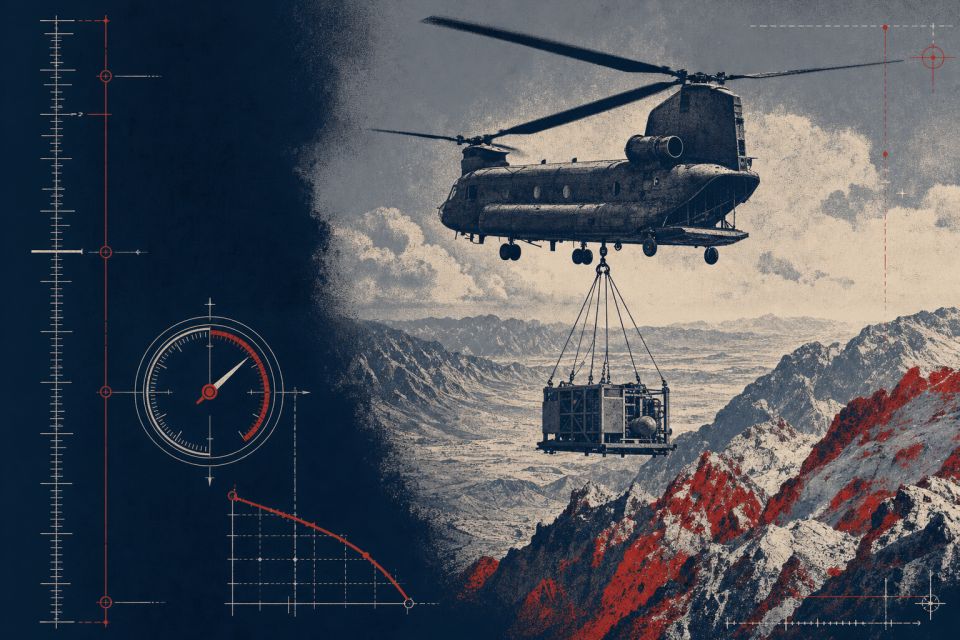
Helicopter payload is dynamic: it falls roughly 3% per 1,000 ft of density altitude, so high, hot sites cut capacity well below the brochure figure.
US civil helicopters top out near 28,000 pounds on the hook; the Mi-26 lifts 44,000. The full capacity table, with the density altitude math behind every number.