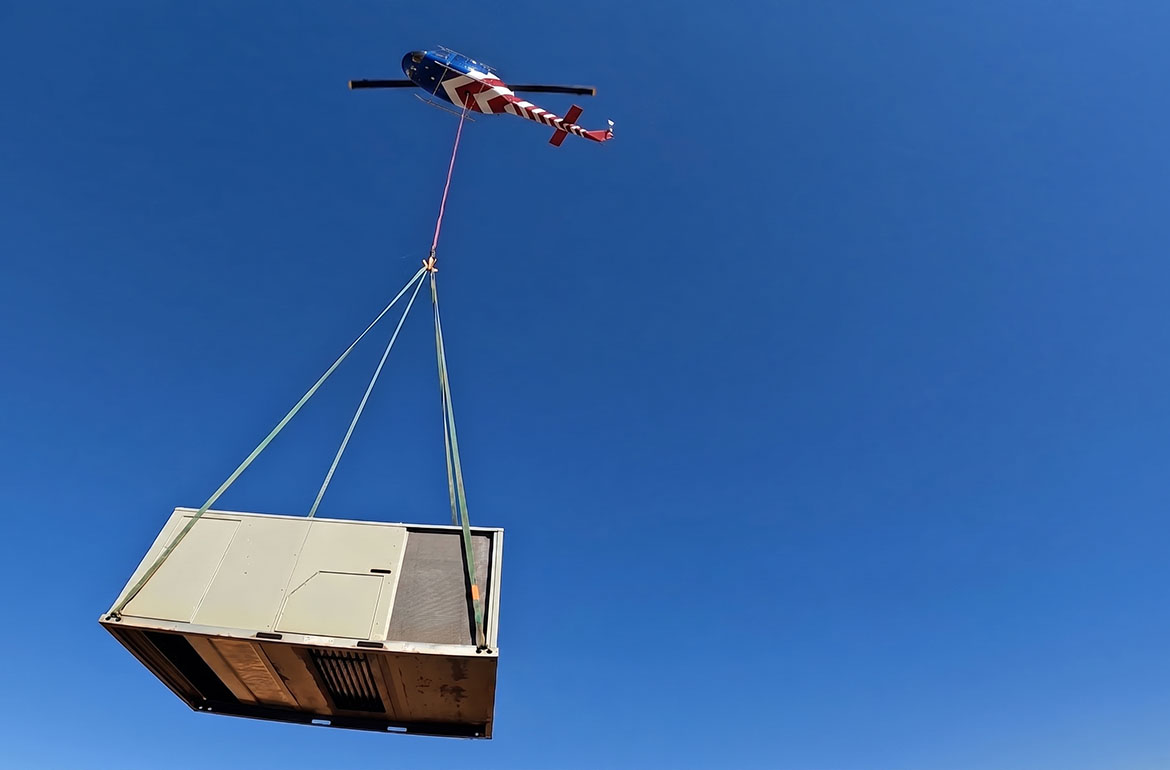
HVAC & Rooftop Units
Food-processing plants, medical facilities, warehouses, and institutional roofs can make shutdown duration or crane reach the controlling comparison. Summer heat narrows aircraft performance margins.
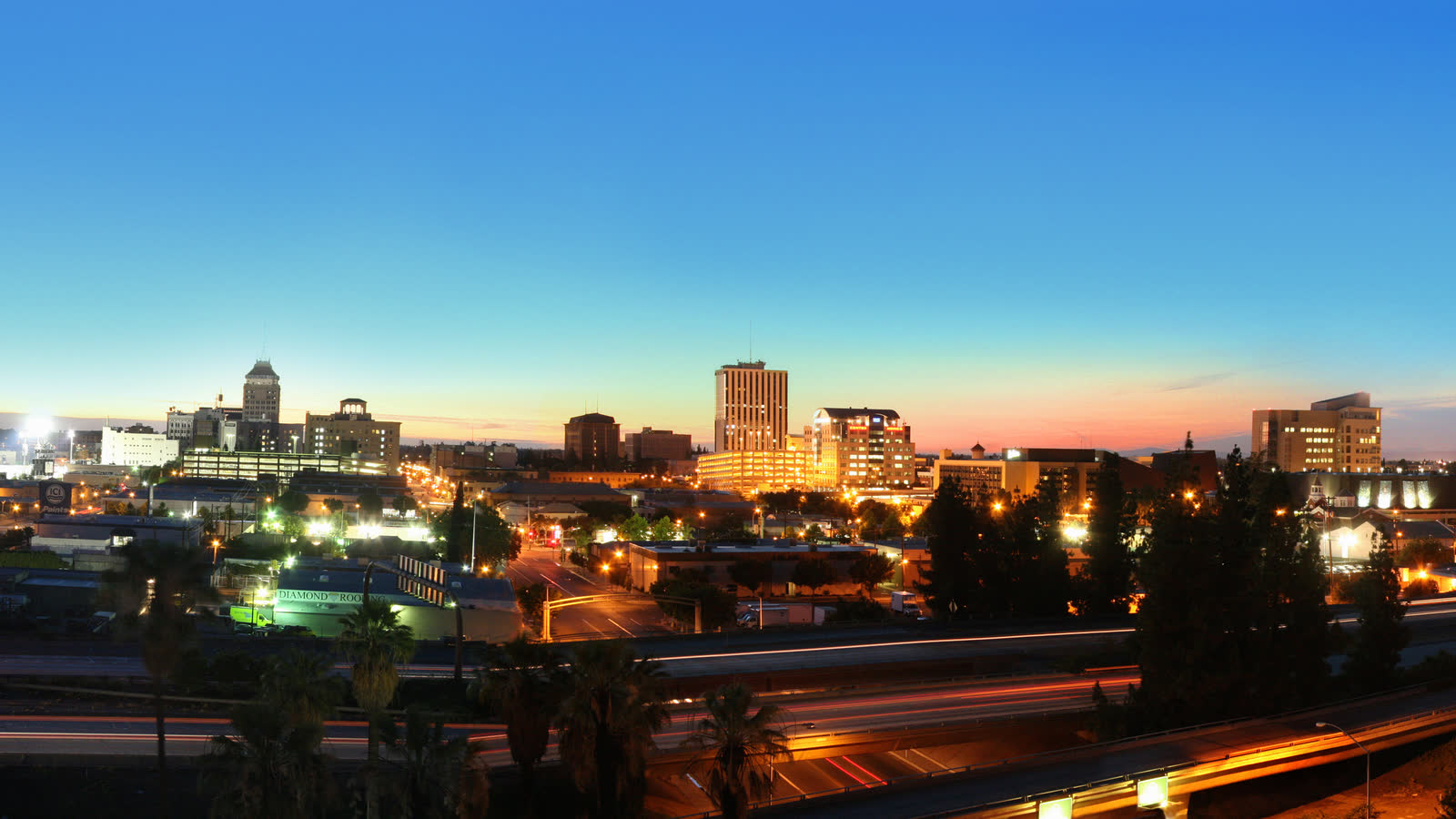
Local lift planning
Triple-digit heat, winter Tule fog, joint civil-military airport activity, and a sprawling water network make seasonal timing as important as load weight.
Photo: JMora24, CC BY-SA 4.0, via Wikimedia Commons. Cropped, resized, and compressed under CC BY-SA 4.0.
Fresno Yosemite International is a continuously attended Class C airport with two paved runways. The FAA airport entry documents Air National Guard and Army National Guard activity, noise-abatement procedures, numerous birds, and possible wake turbulence or wind shear on specified runway operations. Current charts, NOTAMs, military activity, and the accepted staging plan must be checked together.
Fresno identifies agriculture, advanced manufacturing, logistics, food processing, medical-device manufacturing, water technology, and precision manufacturing in its local economic profile. That mix produces plant equipment, rooftop systems, storage infrastructure, and utility work. It does not make an aerial method automatic.
The municipal water system includes three surface-water treatment facilities, 271 groundwater wells, and 1,897 miles of water mains. The City’s water infrastructure page also covers treatment plants, pipelines, pump stations, recharge basins, and storage facilities. Those assets create recurring access and component-placement questions across the metro.
Fresno summers are hot and dry, with triple-digit temperatures common on the hottest days. The NWS climate report supports that stable seasonal pattern. Payload planning must use forecast temperature, actual load, rigging weight, fuel, and the intended window. The density-altitude guide explains why a nominal aircraft rating is insufficient.
Tule fog can lower visibility to one-quarter mile or less and may persist across several days during the late-November to mid-February fog season, according to the NWS Fresno climate report. A winter schedule needs explicit ceiling and visibility gates plus a credible delay plan.
Fresno requires reviewed traffic-control plans for road and lane closures, with separate wide-load and transportation permits. Its traffic operations page also directs permitted moves onto designated truck routes. Ground access needs its own approval path, separate from FAA authority as described in the jurisdiction guide.
Food-processing plants, medical facilities, warehouses, and institutional roofs can make shutdown duration or crane reach the controlling comparison. Summer heat narrows aircraft performance margins.
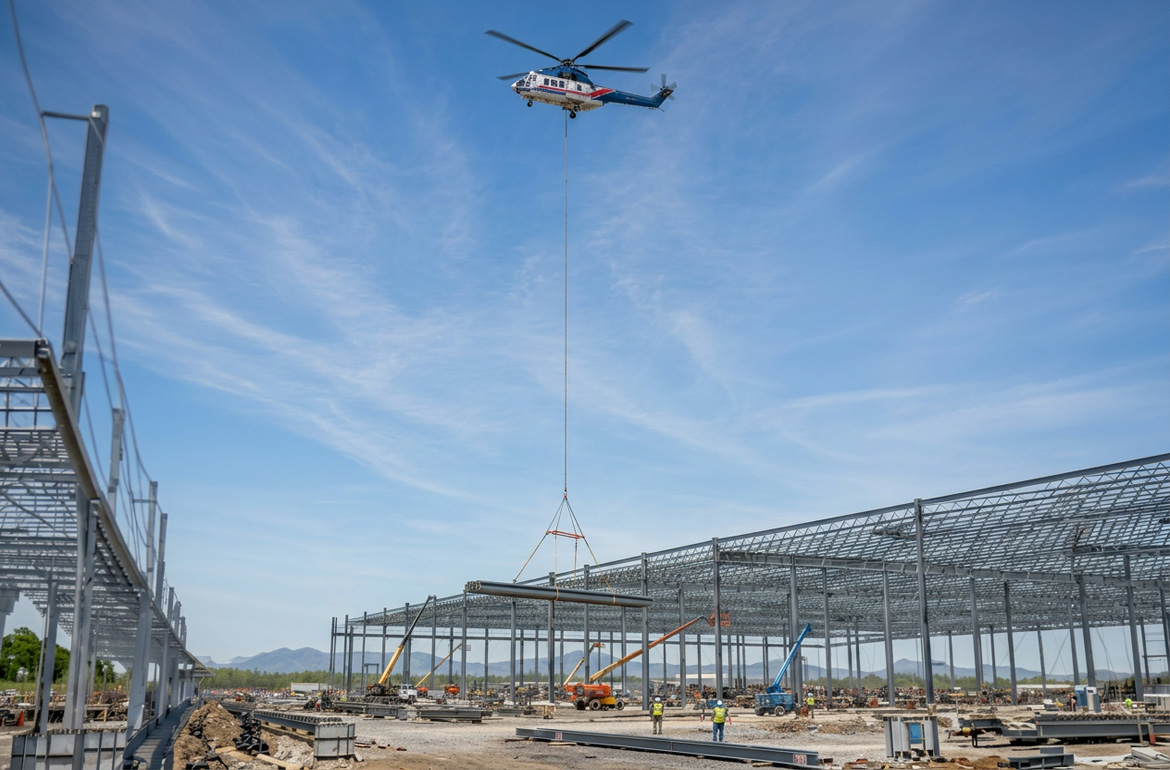
Manufacturing, warehouse, and water-facility work can require structural placements across active yards, process areas, or limited-access sites.
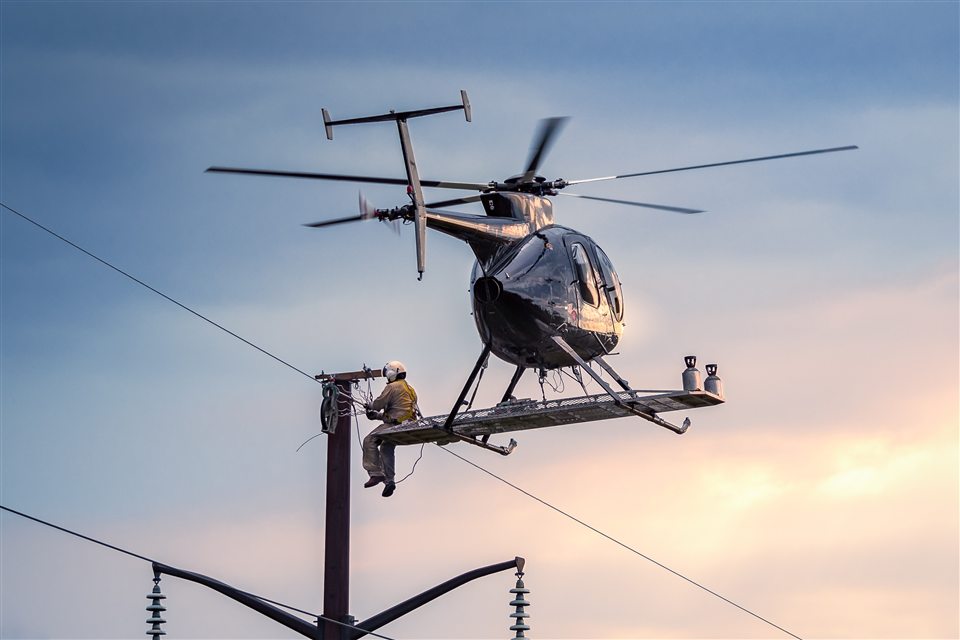
Utility corridors cross agricultural land, canals, roads, and urban growth areas. Heat, energized systems, and property boundaries govern the plan.
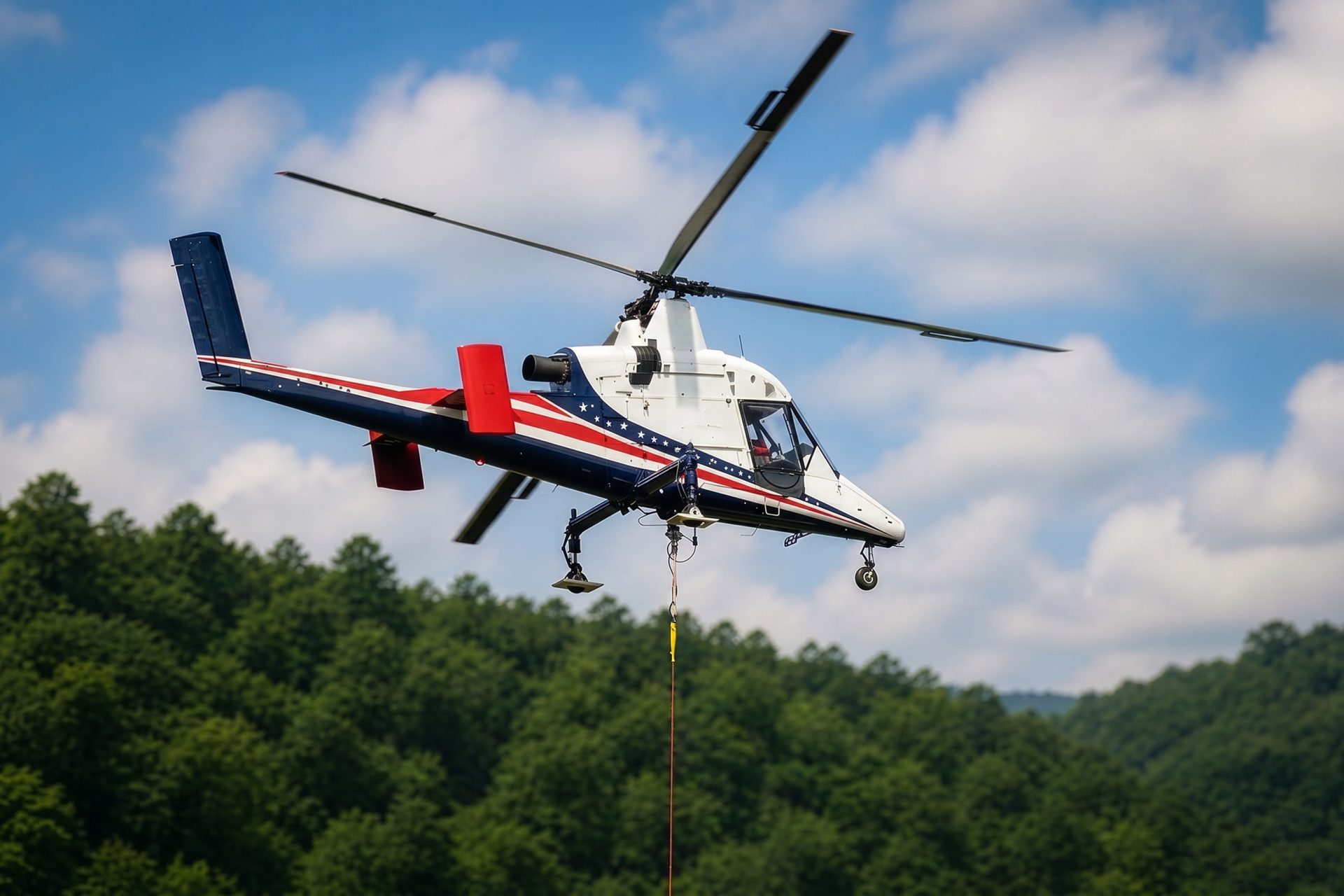
Foothill, canal, reservoir, and agricultural sites outside the dense core can trade road construction for aerial access. Fuel, dust, fire conditions, and usable staging ground still control feasibility.
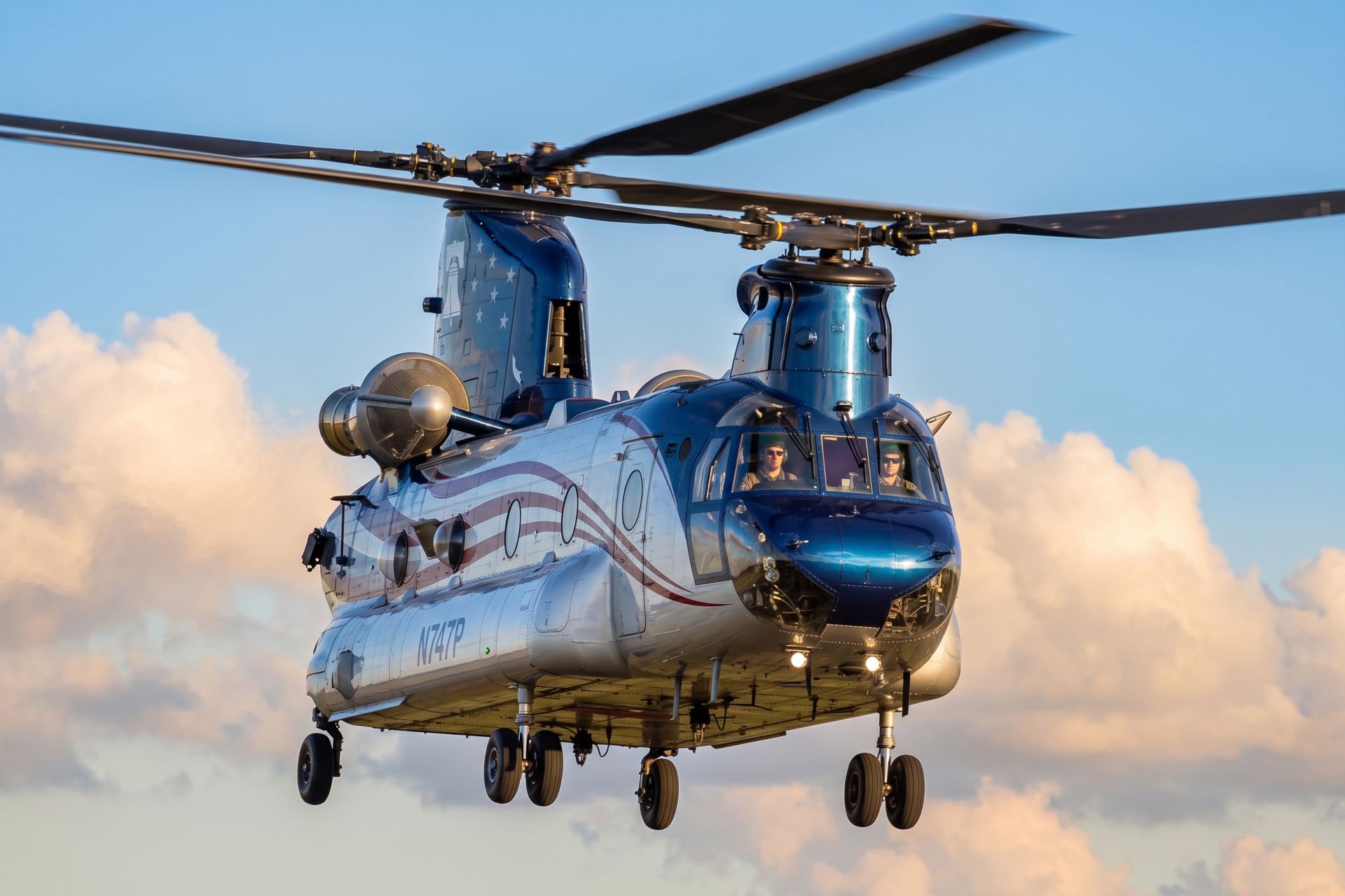
Wildfire, flood, wind, or earthquake damage can interrupt normal access. Recovery operations still require verified weights, incident-command alignment, and protected ground zones.
Food processing, advanced manufacturing, logistics, agricultural technology, and precision manufacturing are listed in the City’s economic profile. Rooftop mechanical equipment, production-line components, tanks, and structural members may merit an aerial-versus-ground comparison when plant access or shutdown duration is the binding constraint.
Fresno’s water system connects treatment facilities, groundwater wells, long pipelines, storage, and recharge basins. The official facility inventory establishes the system scale. Component work beside canals, active plants, or soft ground still requires direct confirmation of staging capacity and property authority.