Kennewick
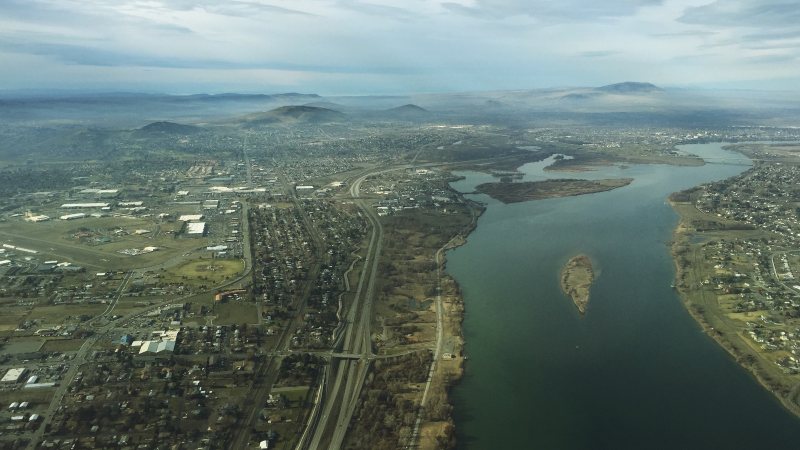
Columbia River industry, high-volume freight roads, summer visibility hazards, and load-specific street permits make delivery and weather checks first-pass work.
State field guide
These guides use the five largest metropolitan statistical areas containing Washington territory in the Census Bureau’s July 1, 2025 estimates. Vancouver anchors the Washington side of the cross-border Portland-Vancouver-Hillsboro metro.
Seattle-Tacoma-Bellevue ranks first at 4,161,883 residents, followed by Portland-Vancouver-Hillsboro at 2,542,282, Spokane-Spokane Valley at 608,012, Kennewick-Richland at 324,334, and Olympia-Lacey-Tumwater at 304,261. These whole-area estimates select the guides. They are not city populations and do not measure lifting demand.
Columbia River industry, high-volume freight roads, summer visibility hazards, and load-specific street permits make delivery and weather checks first-pass work.
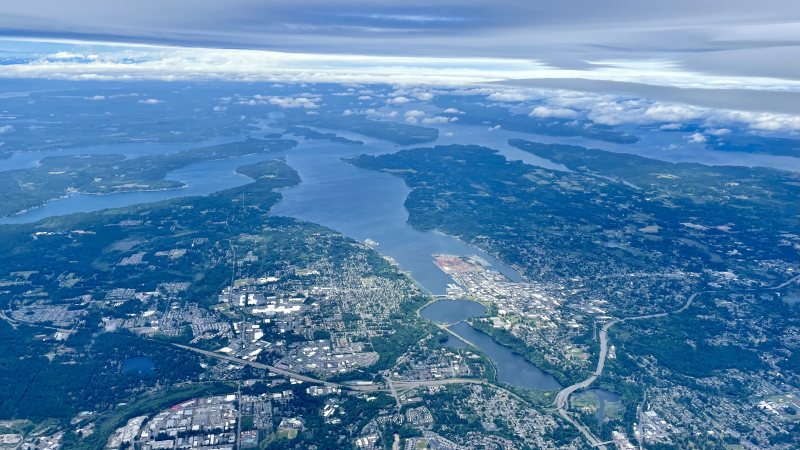
A public general-aviation airport, wet-season access risks, state-route permitting, and construction runoff controls all need answers before aircraft-day planning.
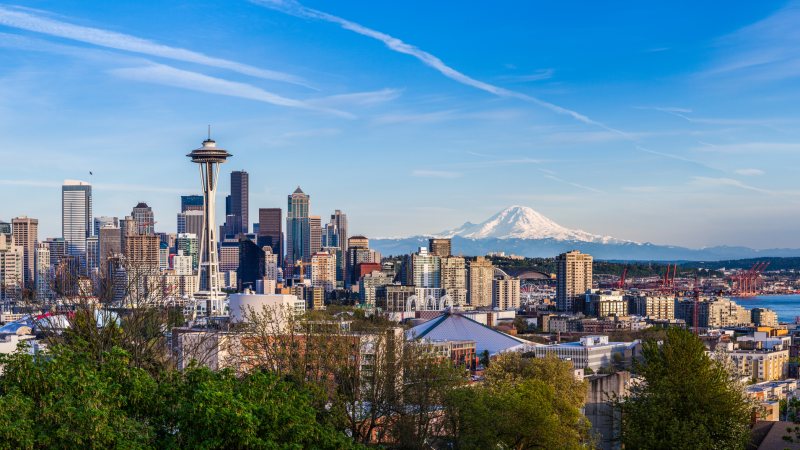
Class B airspace, active port terminals, dense public streets, and exposed utility infrastructure put the flight route and ground plan on the same review track.
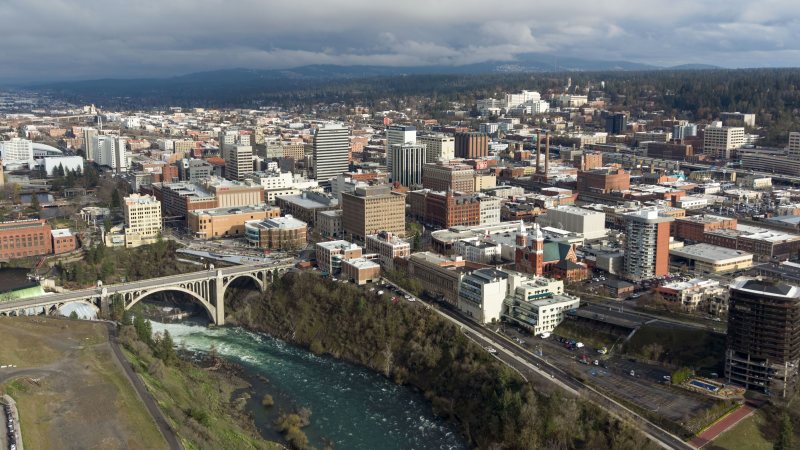
Winter access, a busy freight corridor, river crossings, and airport-side obstacle notices put delivery routing beside the flight review.
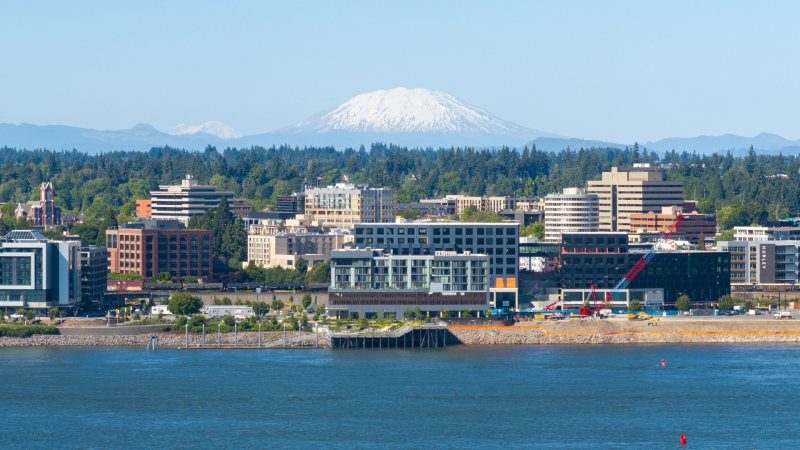
Pearson Field sits beneath Portland traffic, while the Columbia River port and city streets carry separate access rules that must be settled before a work window.
From the technical library