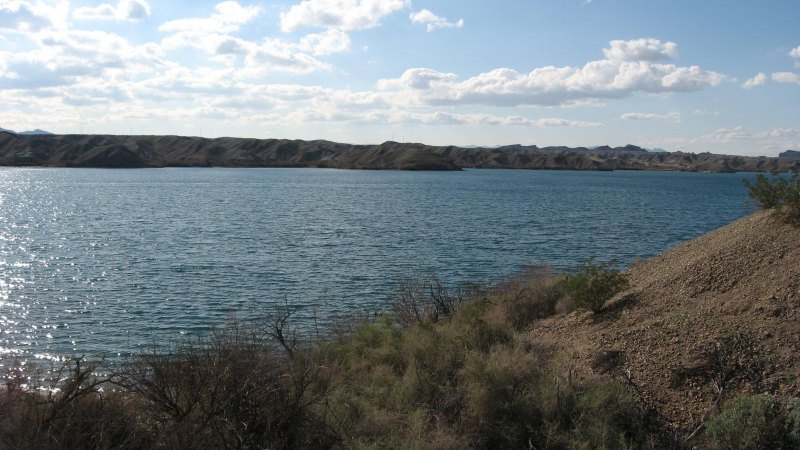
Lake Havasu City
A two-city metro split by desert terrain turns airport choice, freight access, and summer weather into one connected planning problem.
State field guide
Arizona changes sharply with elevation. Low-desert heat, high-country terrain, monsoon outflows, military airspace, border restrictions, and long utility corridors can put different limits on projects only a few hours apart.
These guides cover Arizona’s five largest Census-defined metropolitan statistical areas using July 1, 2025 Vintage 2025 estimates: Phoenix-Mesa-Chandler, Tucson, Prescott Valley-Prescott, Lake Havasu City-Kingman, and Yuma. Metro populations use county-based boundaries rather than city limits.
A two-city metro split by desert terrain turns airport choice, freight access, and summer weather into one connected planning problem.
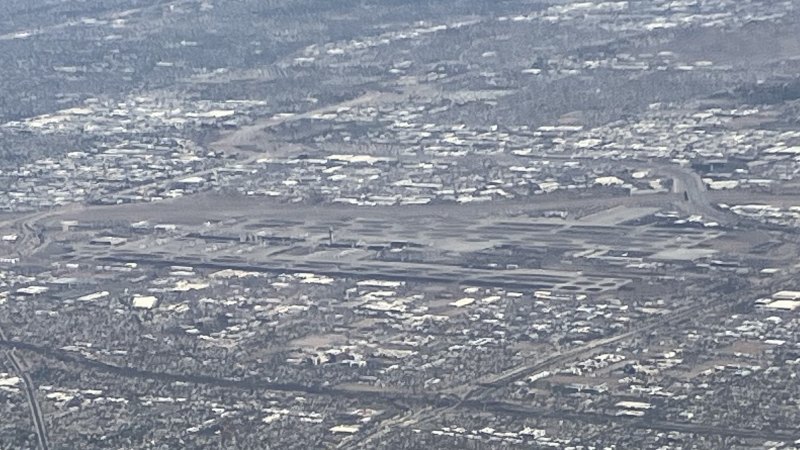
Class B airspace, punishing summer heat, and fast-moving industrial construction leave little room for generic lift assumptions.
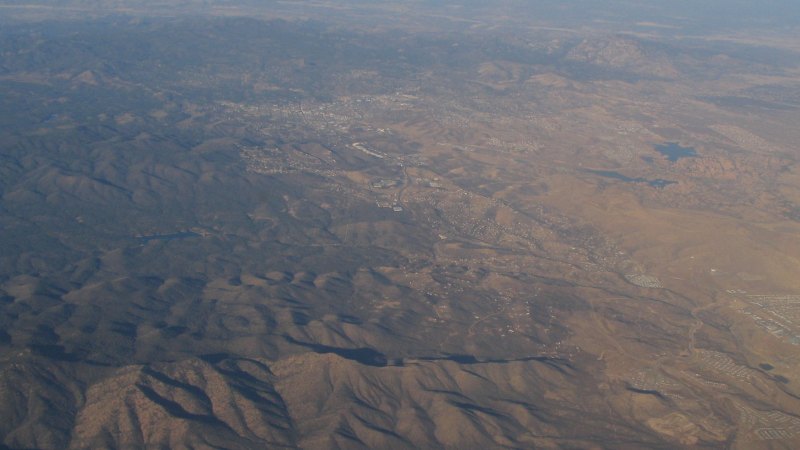
A 5,045-foot airport, extensive training traffic, and fast-changing mountain weather put performance margins ahead of brochure capacity.

Mountain terrain and adjoining military airspace compress the available route before weather or payload enters the calculation.
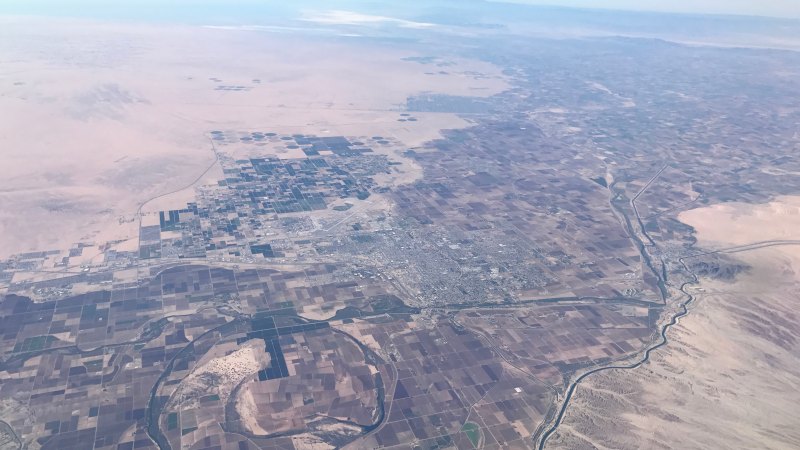
Joint military-civil traffic, border proximity, desert heat, and a broad irrigation network make open terrain a deceptive planning shortcut.
From the technical library